
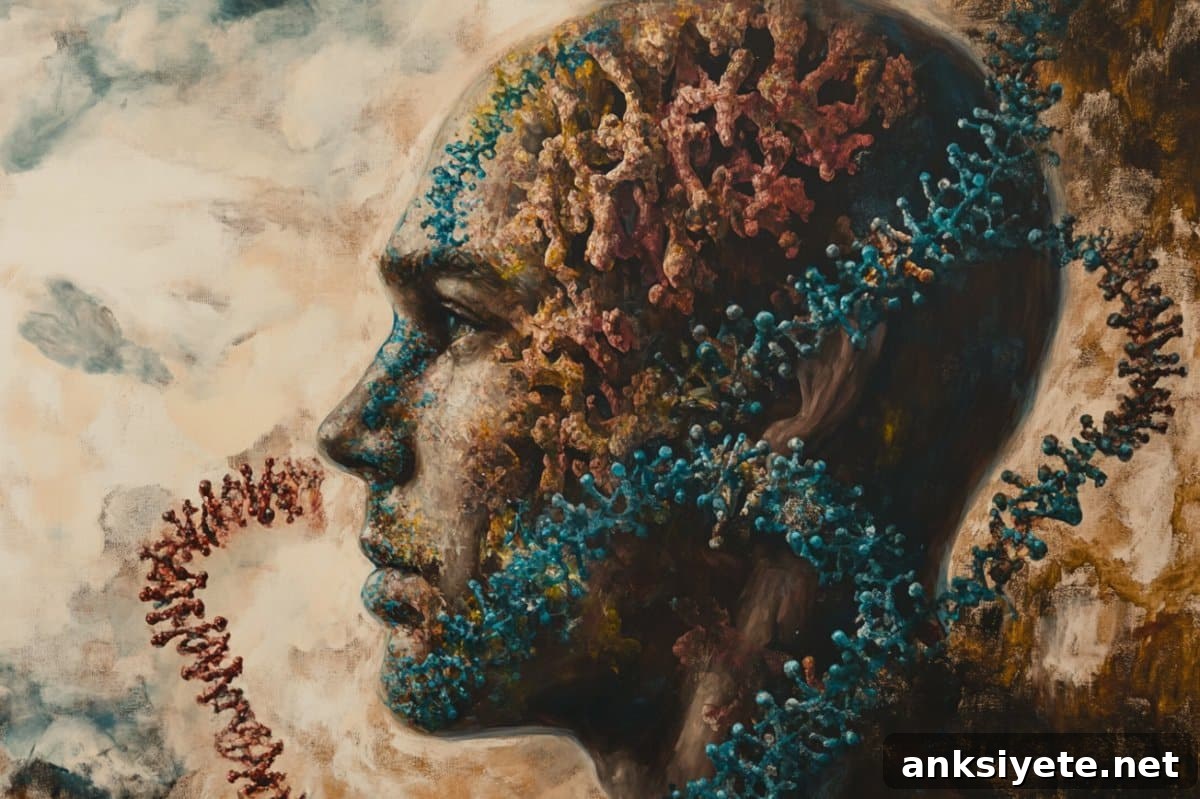
DNA Folding and 3D Gene Hubs Drive Glioblastoma: New Insights from Weill Cornell
Summary: A preclinical study from Weill Cornell Medicine shows that how DNA folds inside the nucleus of brain cells plays a crucial role in glioblastoma, one of the most aggressive brain cancers. Instead of relying solely on mutations, tumor cells assemble genes into hyperconnected three-dimensional hubs that coordinate oncogenic programs. Disrupting these hubs with CRISPR interference weakened tumor-like behavior, pointing to new therapeutic directions that target the spatial organization and epigenetic regulation of the genome.
Key Facts:
- 3D Gene Hubs: Glioblastoma cells establish hyperconnected DNA hubs that bring distant genes into coordinated activity.
- CRISPR Disruption: Epigenetic silencing of such hubs reduced expression of hub-linked genes and impaired tumor-like growth in cell models.
- Broader Relevance: Comparable 3D hubs were detected across analyses of 16 other cancer types, indicating a shared mechanism beyond glioblastoma.
Source: Weill Cornell University
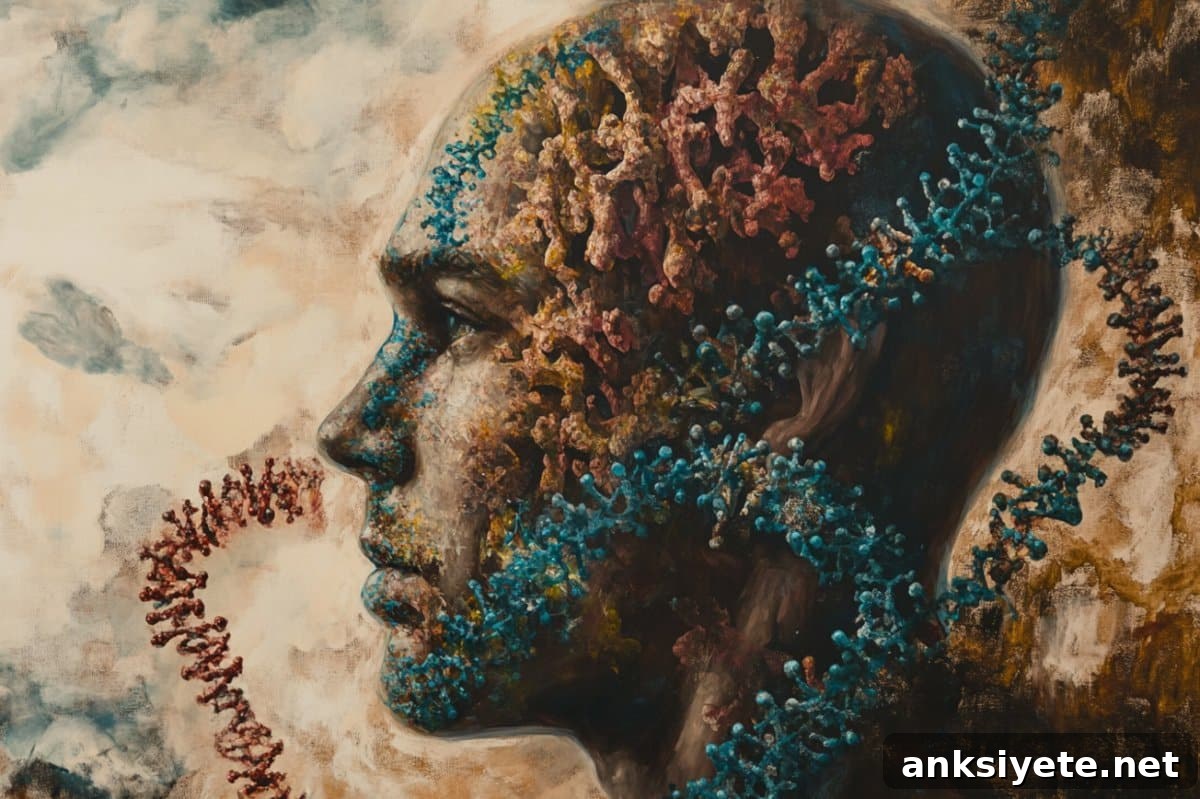
Glioblastoma remains one of the most aggressive and treatment-resistant brain tumors. Although researchers have cataloged many mutations associated with the disease, effective ways to halt its progression are still lacking. The Weill Cornell team led by Dr. Effie Apostolou and Dr. Howard Fine approached the problem from a new angle: rather than focusing only on linear genetic changes, they mapped how the genome is organized in three-dimensional nuclear space and how that organization influences gene regulation.
The human genome, when fully extended, measures roughly six feet, yet it must be compacted to fit inside a nucleus far smaller than a grain of sand. That packaging brings genomic regions that are far apart on the linear DNA strand into close physical proximity. By profiling patient-derived glioblastoma stem cells and mapping enhancer-promoter interactions in 3D, the researchers identified “hubs” where multiple genomic regions converge to coordinate gene expression programs.
In healthy cells, similar hubs help regulate normal processes such as embryonic development. In glioblastoma cells, however, the team observed that oncogenes and other genes not previously implicated in the disease become part of the same hyperconnected hubs. These hubs display coordinated, high expression at the single-cell level and are linked to transcriptional programs that distinguish glioblastoma from lower-grade gliomas.
To test whether these hubs are functionally important, the researchers obtained tumor samples from consenting patients treated at NewYork-Presbyterian/Weill Cornell Medical Center. Using CRISPR interference to epigenetically silence a recurrent, uncharacterized hub, they observed a rapid cascade of changes: expression of hub-connected genes decreased, multiple cancer-related genes were disrupted, cells shifted their transcriptional states, and the cells’ ability to form tumor-like spheres in vitro diminished. In short, disrupting the 3D hub altered the oncogenic program and reduced clonogenicity in culture.
These results suggest that 3D genome architecture can be a major driver of tumor behavior—sometimes independent of, or in addition to, classic genetic mutations. Importantly, the team found that most hyperconnected hubs cannot be fully explained by DNA sequence alterations such as amplifications, deletions, or rearrangements. Instead, many hubs appear to arise from epigenetic changes—alterations in how DNA is packaged and in the protein complexes that bind DNA to control gene activation or repression.
Extending their approach, the researchers integrated data across 16 cancer types and identified both cancer-type-specific hubs and “universal” 3D hubs that are enriched for oncogenic programs and factors associated with poor prognosis. These shared hubs imply that similar spatial and epigenetic mechanisms may underlie diverse malignancies, including melanoma, lung, prostate, and uterine cancers.
By pinpointing central control nodes in the 3D genome, this work highlights new potential therapeutic targets: rather than solely aiming at mutated genes, treatments could be developed to disrupt pathological genome architecture or to reprogram the epigenetic machinery that establishes harmful hubs. The investigators plan to further investigate how these hubs form in tumors and whether they can be safely and effectively disrupted to slow or halt tumor growth.
About this research
Author: Corinne Esposito
Source: Weill Cornell University
Contact: Corinne Esposito – Weill Cornell University
Image: Image credited to Neuroscience News
Original Research: Open access. “Three-dimensional regulatory hubs support oncogenic programs in glioblastoma” by Effie Apostolou et al., Molecular Cell (published April 3). The study profiles 3D enhancer-promoter networks in patient-derived glioblastoma stem cells, identifies hyperconnected regulatory hubs linked to oncogenic programs, and demonstrates that epigenetic silencing of a recurrent hub reduces tumor-associated gene activity and clonogenic potential. Integration across 16 cancers reveals both universal and cancer-specific hubs, with genetic alterations explaining only a small fraction of hub formation and activity.
Abstract (summary)
Disruption of enhancer-promoter communication in the three-dimensional nucleus is increasingly recognized as a driver of oncogenic programs. The study profiled 3D enhancer-promoter networks in patient-derived glioblastoma stem cells to find central regulatory nodes. Hyperconnected 3D hubs were shown to coordinate high, synchronized gene expression at the single-cell level and to associate with glioblastoma-specific oncogenic programs. Epigenetic silencing of a recurrent hub led to downregulation of hub-linked genes, shifts in cellular transcriptional states, and reduced clonogenicity. Cross-cancer integration identified universal and cancer-specific 3D hubs enriched for oncogenic pathways and poor-prognosis factors. Genetic mutations accounted for only a small portion of hub hyperconnectivity, supporting a central role for 3D regulatory hubs in controlling oncogenic programs and tumor properties.