
Summary:
A major study from Baylor College of Medicine, published in Nature, shows that astrocytes—the abundant glial support cells in the central nervous system—are not a single, uniform population. Using newly developed transgenic tools to distinguish astrocytes by the surface receptor CD51, researchers found that CD51-positive (CD51+) astrocytes perform specialized roles: they promote synapse formation through glypican 6 in the cerebral cortex, drive circuit rewiring in the hippocampus to support memory, and lead synaptic remodeling that aids functional recovery after ischemic stroke.
Key Facts:
- Specialized Subtypes: Astrocytes are functionally divided into at least two distinct subtypes defined by the presence (CD51+) or absence (CD51−) of the integrin alpha V receptor, refuting the long-held idea that astrocytes act as a homogeneous support population.
- Synapse Formation via Glypican 6: In both developing and injured cortex, CD51+ astrocytes actively assemble synapses by secreting glypican 6, while CD51− astrocytes lack this synaptogenic capability.
- Hippocampal Plasticity and Stroke Repair: In the hippocampus, CD51+ astrocytes control circuit plasticity essential for learning and memory; following ischemic stroke, they migrate to peri-infarct areas and remodel synaptic connections to restore motor function.
Source: Baylor College of Medicine
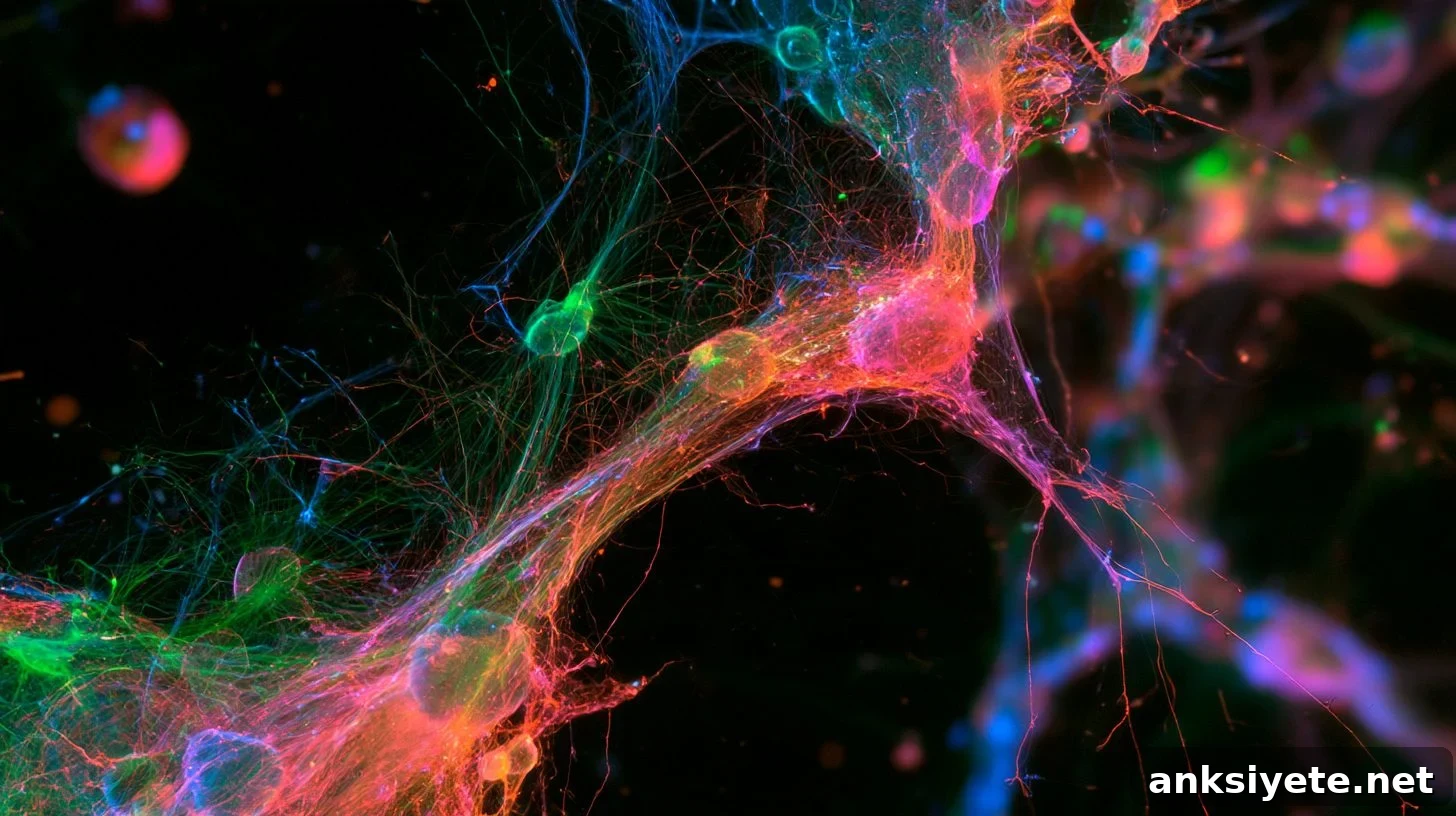
For more than a century, neuroscience has classified neurons into detailed types with specialized functions. In contrast, astrocytes—star-shaped glial cells that outnumber neurons across the brain and spinal cord—were typically seen as a relatively uniform group responsible for metabolic support, blood-brain barrier maintenance, and general homeostasis. This new study challenges that assumption by demonstrating clear functional specialization among astrocytes in vivo.
Led by Benjamin Deneen, PhD, the research team created genetic models to label and manipulate astrocytes that either express or lack CD51. These tools allowed direct side-by-side comparisons of CD51+ and CD51− astrocytes across brain regions, developmental stages, and injury conditions, revealing distinct morphology, timing, and functional roles for each subtype.
Developing Tools to Reveal Astrocyte Diversity
Previous single-cell RNA sequencing work hinted at molecular differences among astrocytes, but the functional implications in intact neural circuits remained unclear. To address this gap, the researchers generated a CD51-FLP transgenic mouse line and complementary laboratory reagents that enable selective labeling and control of CD51+ versus CD51− astrocytes in living brain tissue. These innovations made it possible to test whether molecularly distinct astrocyte populations actually carry out different physiological tasks.
Division of Labor: Synaptogenesis and Memory Circuit Tuning
The study found a striking division of labor. In the cerebral cortex, which supports sensation, cognition, and motor control, CD51+ astrocytes act as synaptic architects. They actively promote the formation of neuronal synapses in both developing and injured cortex by secreting glypican 6, a synaptogenic factor. CD51− astrocytes did not demonstrate this capacity.
In the hippocampus, a region essential for memory and spatial navigation, CD51+ astrocytes regulate circuit plasticity. Here, the CD51 receptor itself contributes to structural circuit adaptations that underlie learning, indicating that CD51+ astrocytes are directly involved in experience-dependent rewiring rather than functioning solely through secondary secreted molecules.
Leading Repair After Ischemic Stroke
The functional distinction between astrocyte subtypes also has clinical relevance. After ischemic stroke, the brain must rebuild disrupted networks to recover motor and cognitive abilities. The team observed that CD51+ astrocytes migrate into peri-infarct cortex and actively remodel synaptic circuits, promoting recovery of motor function. CD51− astrocytes did not participate in this synaptic repair, highlighting the potential to target specific astrocyte subtypes in therapeutic strategies for stroke and other brain injuries.
“These findings change how we think about astrocytes,” said Dr. Deneen. “Instead of treating astrocytes as a single class of support cells, we now see specialized subpopulations with distinct roles in development, adult function, and injury response. Future studies and therapies will need to account for which astrocyte subtypes are involved.”
The discovery suggests new avenues for neurotherapeutics: rather than broad glial-targeting approaches, interventions could selectively modulate CD51+ astrocytes to encourage synaptic regeneration in neurodevelopmental disorders, memory impairments, and stroke rehabilitation.
Funding: Supported by the National Institutes of Health (grants R35-NS132230, R01-AG071687, R56-MH133822), the American Heart Association (grants 23POST1019413, 25POST1363224), the David and Eula Wintermann Foundation, and the Eunice Kennedy Shriver National Institute of Child Health & Human Development (award P50HD103555).
Editorial Notes:
- Article edited by a Neuroscience News editor.
- Journal paper reviewed in full by editorial staff.
- Additional context provided by the editorial team.
About this neuroscience Research:
- Media Contact: Graciela Gutierrez
- Source: Baylor College of Medicine
- Image Credit: Image credited to Neuroscience News
- Original Research (Open Access): Nature (Oct 1, 2026). Title: “CD51 delineates functionally distinct astrocyte subtypes in neural circuits.” Authors include Junsung Woo, Michael R. Williamson, Benjamin Deneen, and colleagues.
- DOI: 10.1038/s41586-026-11186-z
Abstract
CD51 delineates functionally distinct astrocyte subtypes in neural circuits
Astrocytes support many aspects of brain physiology, suggesting that functional diversity among astrocytes could arise from distinct subtypes. Although molecular heterogeneity among astrocytes has been documented, its translation into specialized functions in vivo was unresolved.
Using a CD51-FLP mouse line, the study compares CD51+ and CD51− astrocyte subpopulations directly in intact neural circuits. Results show that these subpopulations have unique morphologies, physiological properties, and developmental trajectories in both cortex and hippocampus. Functionally, CD51+ astrocytes selectively promote synapse formation in the developing cortex via glypican 6 and drive circuit plasticity in the hippocampus through CD51-dependent mechanisms. After ischemic stroke, CD51+ astrocytes enhance synaptic remodeling and support functional recovery. Together, these findings identify specialized astrocyte subtypes with distinct roles in the developing, mature, and injured brain.