
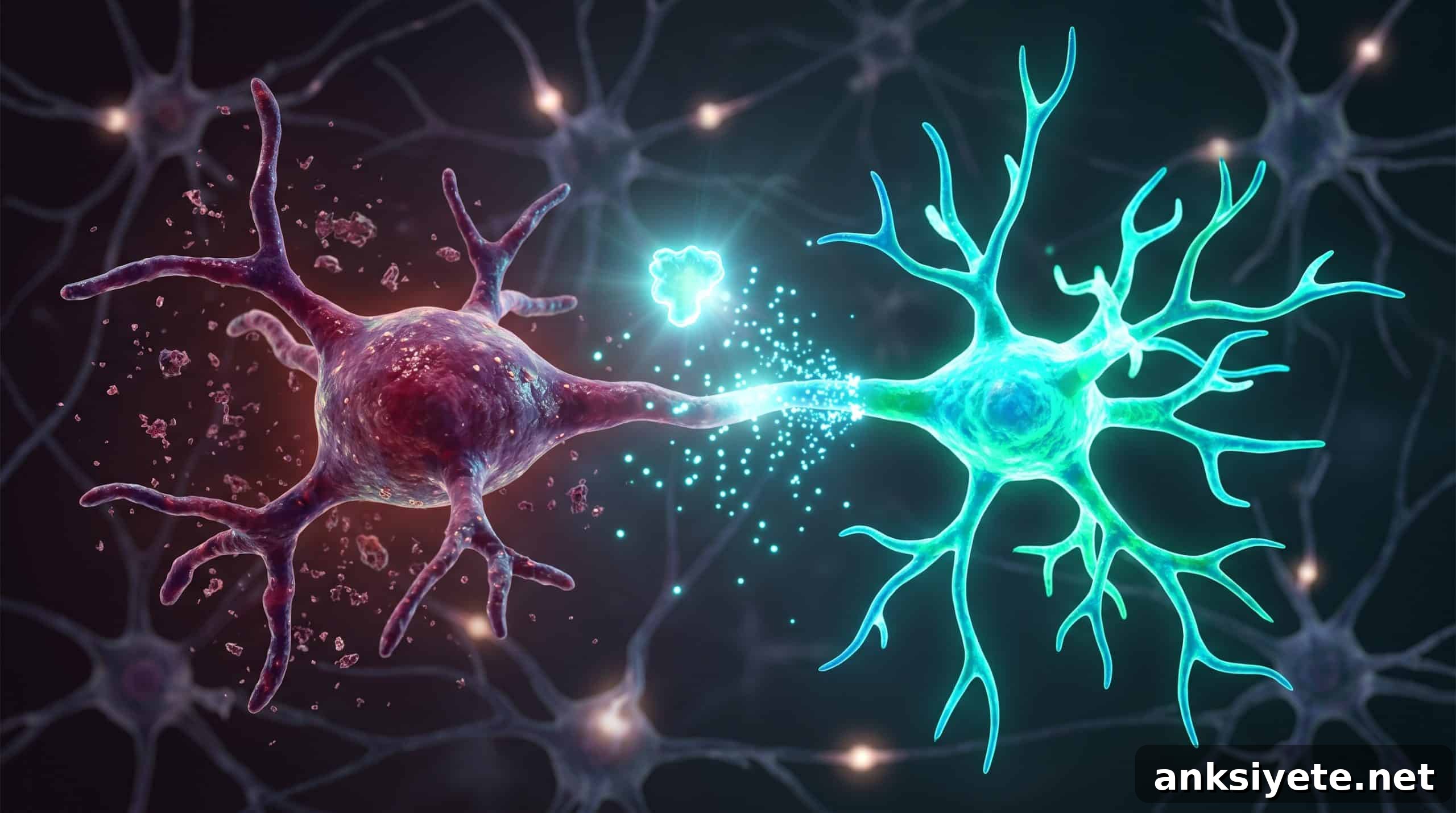
Summary: Scientists at the Icahn School of Medicine at Mount Sinai report that the youth-associated protein TIMP2 is crucial for preserving healthy microglial function. In aged mice, systemic supplementation of TIMP2 reduced inflammatory signatures and restored microglia’s ability to clear cellular debris—findings that point to new therapeutic directions for age-related neurodegenerative diseases.
Key Facts:
- TIMP2 is a youth-associated protein that supports the normal function of microglia, the brain’s resident immune cells.
- Loss of TIMP2 causes microglia to adopt features linked to aging and neurodegeneration, including cellular senescence and reduced debris clearance.
- Systemic TIMP2 administration in aged mice shifted microglia away from pro-inflammatory states and restored their capacity to remove waste.
Source: The Mount Sinai Hospital / Mount Sinai School of Medicine
Aging is the strongest risk factor for Alzheimer’s disease and many other neurodegenerative disorders, but the biological changes that make the aging brain vulnerable have remained incompletely understood. New research from the Icahn School of Medicine at Mount Sinai identifies TIMP2 as a key molecular player that helps maintain microglial health and the brain’s innate immune balance.
Microglia serve as the brain’s primary immune and housekeeping cells. They clear damaged cells and protein aggregates, support synaptic connections, and respond to injury. With age, microglia frequently lose these protective functions and can instead adopt maladaptive, pro-inflammatory states that contribute to chronic neuroinflammation and cognitive decline.
To investigate TIMP2’s role, the research team used multiple mouse models, including animals with selective deletion of TIMP2 in microglia or neurons. They combined single-nucleus RNA sequencing of brain tissue with in vivo microdialysis and a range of functional assays to evaluate how TIMP2 affects microglial state and activity. These complementary approaches allowed the team to link molecular signatures to cellular behavior and extracellular protein changes.
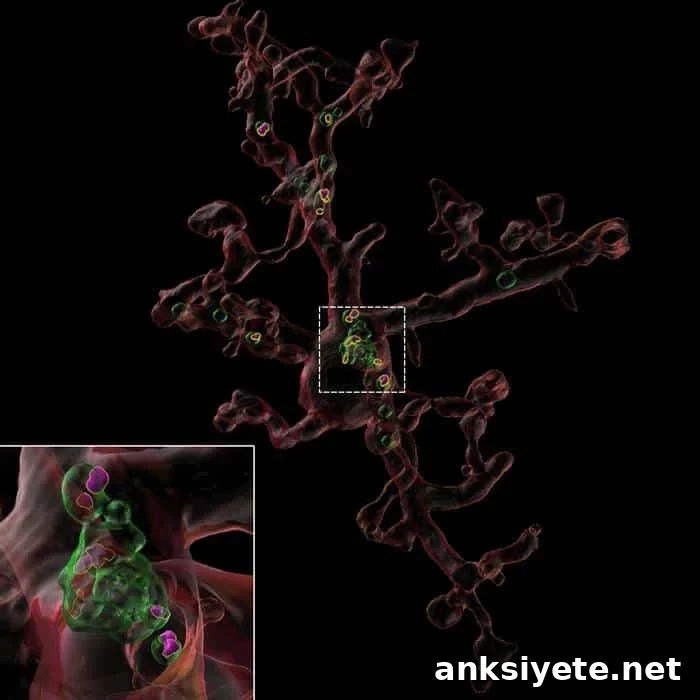
The results were striking. When TIMP2 was removed, microglia quickly developed traits associated with advanced aging and neurodegenerative injury: they showed molecular markers of cellular senescence, a reduced ability to clear cellular debris, and an increase in stress- and inflammation-related proteins in the brain’s extracellular space. These changes indicate that TIMP2 helps prevent microglia from shifting into harmful states that can exacerbate brain aging.
Importantly, the researchers tested whether TIMP2-related declines can be reversed. Systemic injections of TIMP2 in aged mice produced a measurable rejuvenation of microglial function. Treated animals showed a decrease in pro-inflammatory microglial states and a restoration of their capacity to engulf and process cellular waste. Those functional improvements were accompanied by molecular evidence of reduced inflammatory signaling in the brain’s extracellular environment.
“TIMP2 facilitates healthy function for the brain’s immune cells,” said Joseph M. Castellano, PhD, Associate Professor of Neuroscience at the Ronald M. Loeb Center for Alzheimer’s Disease and the study’s corresponding author. “By supporting microglia’s debris-clearing abilities and limiting maladaptive responses, TIMP2 may help restore aspects of microglial function that deteriorate with age.”
These findings establish a clear molecular link between systemic, youth-associated factors and innate immune function in the aging brain. While the experiments were performed in mouse models, the results provide a compelling framework for further investigation in humans. Understanding how TIMP2 and similar factors shape immune responses in the brain could inform future therapies aimed at slowing or reversing age-related neural decline, including Alzheimer’s disease.
The authors emphasize that additional research is necessary to translate these findings into clinical strategies. Future work will need to clarify dose, delivery, safety, and long-term effects, and to determine whether TIMP2-based interventions can produce durable benefits in human patients. Nevertheless, the study marks an important step in mapping how circulating, youth-associated proteins influence brain aging and neurodegeneration.
Editorial Notes:
- This article was edited by a Neuroscience News editor.
- The journal paper was reviewed in full by our staff.
- Additional context and clarification were provided by the editorial team.
About this Research Section:
- Author / Media Contact: Elizabeth Dowling
- Source: The Mount Sinai Hospital / Mount Sinai School of Medicine
- Image Credits: Neuroscience News featured image / Original raw image courtesy of Mount Sinai Health System.
- Original Research:
- Hemmer, B.M., Philippi, S.M., Ferreira, A.C. et al. Youth-associated protein TIMP2 regulates microglial state and function in healthy and aged mice. Nature Communications 17, 8173 (2026). DOI: 10.1038/s41467-026-74906-z
- Title: Youth-associated protein TIMP2 regulates microglial state and function in healthy and aged mice
- Authors: Brittany Hemmer, Joseph M. Castellano, et al.
- Journal: Nature Communications
- DOI: 10.1038/s41467-026-74906-z
- Publication Date: August 12, 2026