
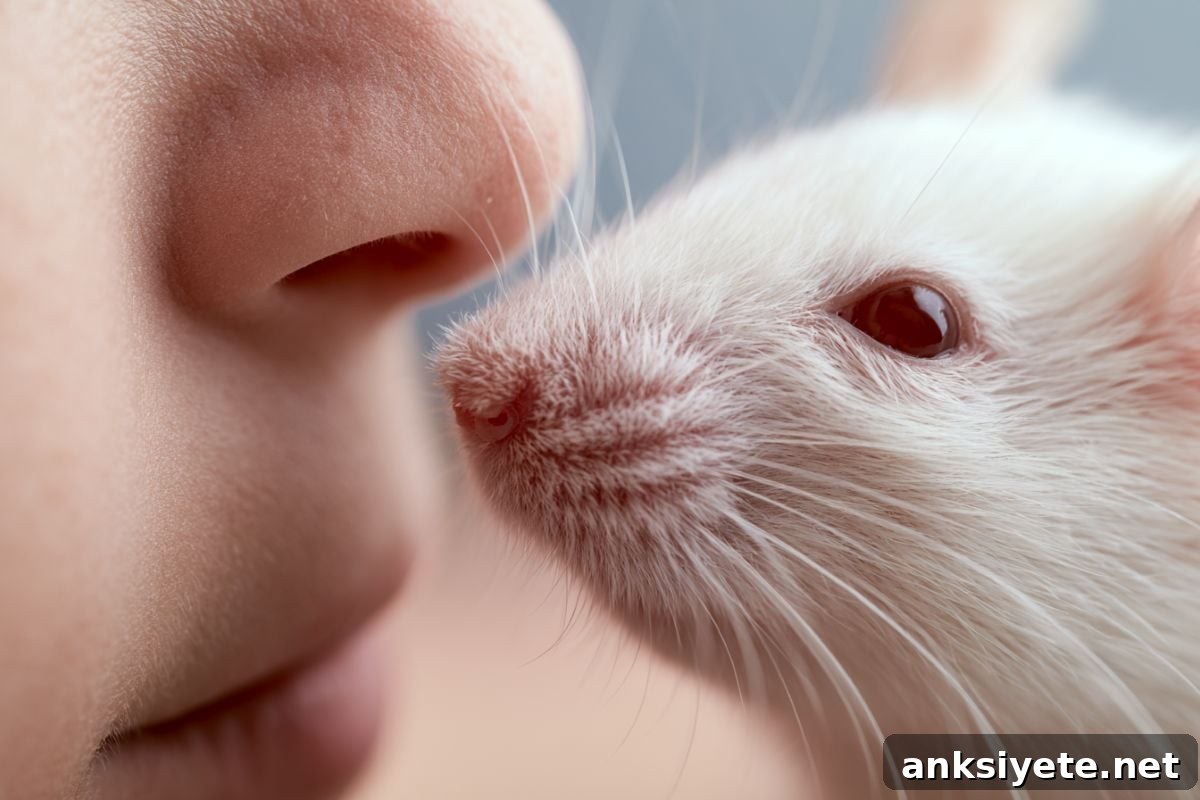
Summary: New complementary studies from Northwestern University reveal a conserved mammalian blueprint for olfaction. Using high-speed robotic cameras to track free-roaming mice and direct recordings from the human olfactory bulb, researchers show that mice perform single, deliberate “smell checks” under motor cortex control, while a single intentional human inhalation launches internal theta rhythms (2–8 Hz) that package odor processing into rapid windows matching rodents’ tempo.
Key Facts
- Volitional rodent sniff: Free‑foraging mice often bring food to their noses and perform a single, precisely timed sniff coordinated with head and paw movements—a deliberate sensory check rather than a reflexive response.
- Motor cortex control: Disabling the mice’s sense of smell did not abolish food-sniffing actions, but silencing the motor cortex stopped them entirely, demonstrating the behavior is consciously initiated.
- Human sniff tempo paradox: Humans breathe far more slowly than rodents yet achieve comparable perceptual speed. Direct human olfactory-bulb recordings reveal the mechanism resolving this paradox.
- Theta oscillations align processing: A single intentional human inhalation triggers theta oscillations (2–8 Hz) in the olfactory bulb—the same frequency range linked to rodent sniff cycles—organizing faster bursts of odor processing into rapid time windows.
- Independent internal rhythm: Rodent theta is mechanically tied to breathing; humans generate an internal theta rhythm that a deliberate sniff activates, effectively matching rodents’ processing tempo despite slower breathing.
- Clinical relevance: Changes in sensory sampling and olfactory timing are early markers of neurodevelopmental and neurodegenerative conditions. Mapping conserved olfactory circuitry offers a calibrated baseline for earlier detection and targeted interventions.
Source: Northwestern University
Picture a mouse taking quick, staccato sniffs while foraging and compare that to a human taking one deep inhalation to check if a melon is ripe. These two behaviors—seemingly different in pace—rest on shared neural machinery. Two new Northwestern studies, published together in Science Advances, examined olfaction from complementary perspectives and found conserved motor and rhythmic building blocks that allow both species to sample odors efficiently.
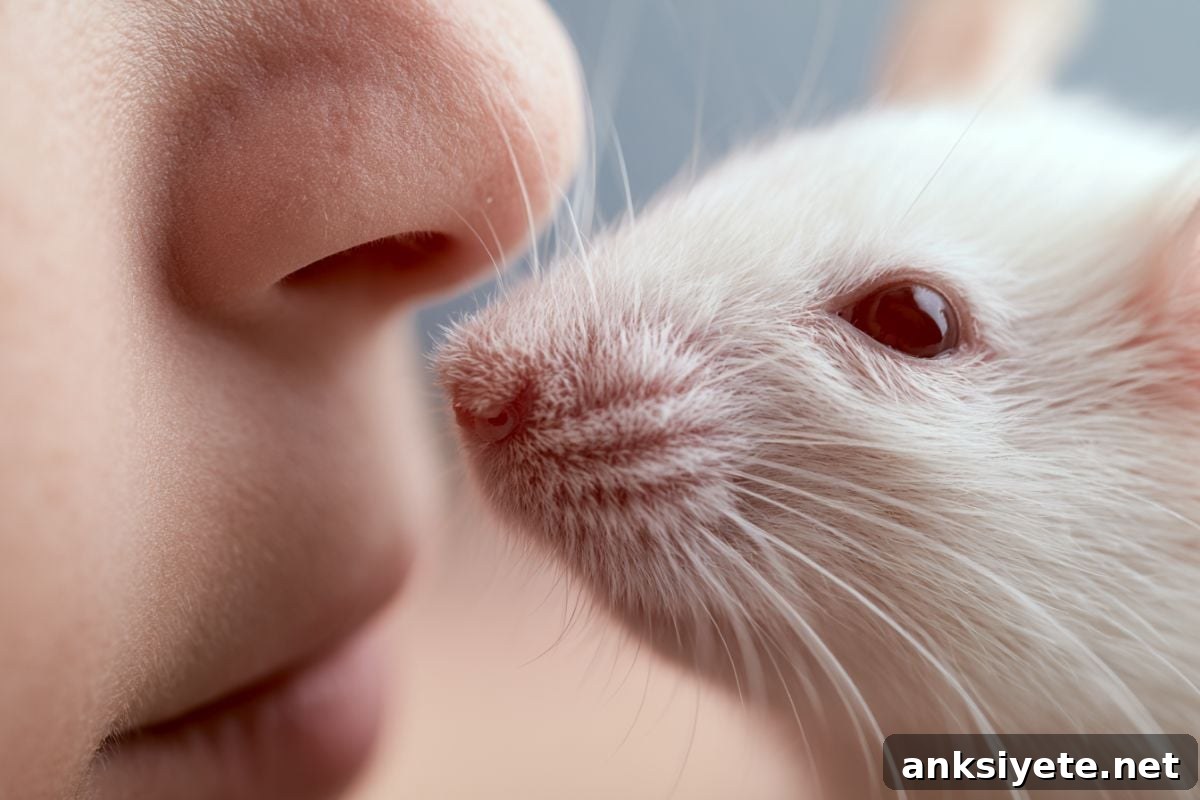
Although a mouse’s single sniff is brief compared with a human inhalation, both species use the same temporal windows for organizing odor information. The work indicates an evolutionarily conserved olfactory strategy in which each species adapts the same core design to its own body and behavior.
“The true similarity is this single sniff, but it’s not just a sniff,” said John M. Barrett, research assistant professor of neuroscience at Northwestern University Feinberg School of Medicine. “Mice even move their hands while sniffing, which shows it’s volitional—they’re doing it on purpose.”
Study synopses
Mice: deliberate single sniffs
In the Shepherd lab, researchers built a robotic multi‑camera system to record free‑foraging mice at high resolution, tracking head, paw and breathing dynamics as animals handled food. The mice timed a single sniff precisely when the food reached their nose, coordinating movement and respiration in a quick, deliberate action similar to a human checking a bite before eating.
Importantly, impairing olfaction did not stop these single sniff checks. Only silencing the motor cortex halted the behavior, demonstrating its volitional nature. The finding reframes some sniffing actions not as passive reflexes but as active sensory sampling initiated by motor planning.
Humans: internal theta matches rodent tempo
The Zelano lab employed a minimally invasive, high‑precision technique to record neural activity from the human olfactory bulb in healthy volunteers. A single intentional inhalation elicited theta oscillations (2–8 Hz) in the bulb—the same frequency range that characterizes rodent sniffing.
Those theta waves organize faster bursts of odor-processing activity, meaning a single human sniff launches an internal rhythmic scaffold that speeds up olfactory computation to match the rapid temporal windows used by rodents. Thus the human brain decouples breathing rate from processing tempo by generating an independent internal rhythm.
Key questions answered
A: When mice search, they use continuous sniffing to map scents. Upon picking up food, they execute a coordinated, deliberate sniff timed with head and paw movements. This action is proactive and controlled by motor cortex, not a reflexive response to odor.
A: Direct recordings show that a single intentional human sniff triggers theta oscillations in the olfactory bulb. These internal rhythms organize faster processing bursts, creating time windows that match rodent processing speeds even though the physical inhalation is slower.
A: Olfactory sampling and timing often change early in neurodevelopmental and neurodegenerative disorders. Demonstrating conserved motor and rhythmic olfactory circuits provides a reliable model to detect early dysfunction and to test diagnostic measures or therapies before broad decline occurs.
Editorial notes
- This article was edited by a Neuroscience News editor.
- Journal paper reviewed in full.
- Additional context added by staff.
About this research
Author: Kristin Samuelson
Source: Northwestern University
Contact: Kristin Samuelson – Northwestern University
Image: Image credited to Neuroscience News
Original Research: Findings presented in Science Advances