
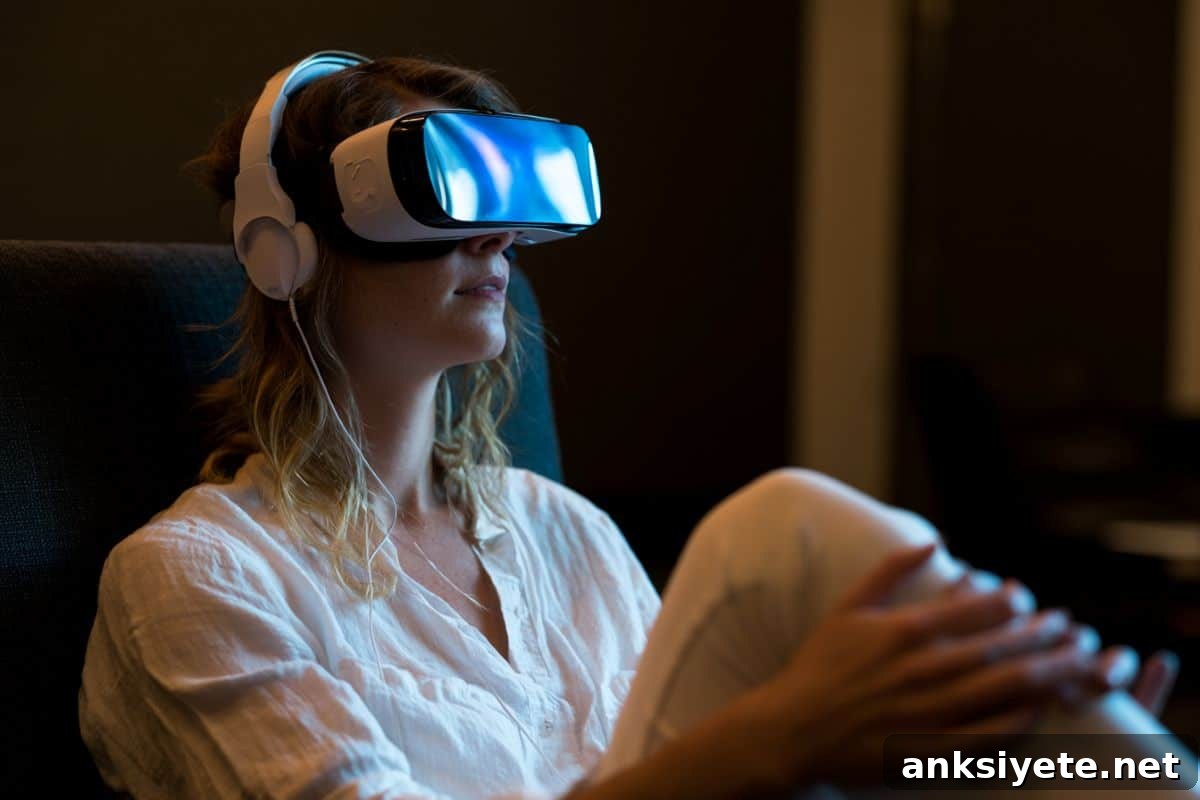
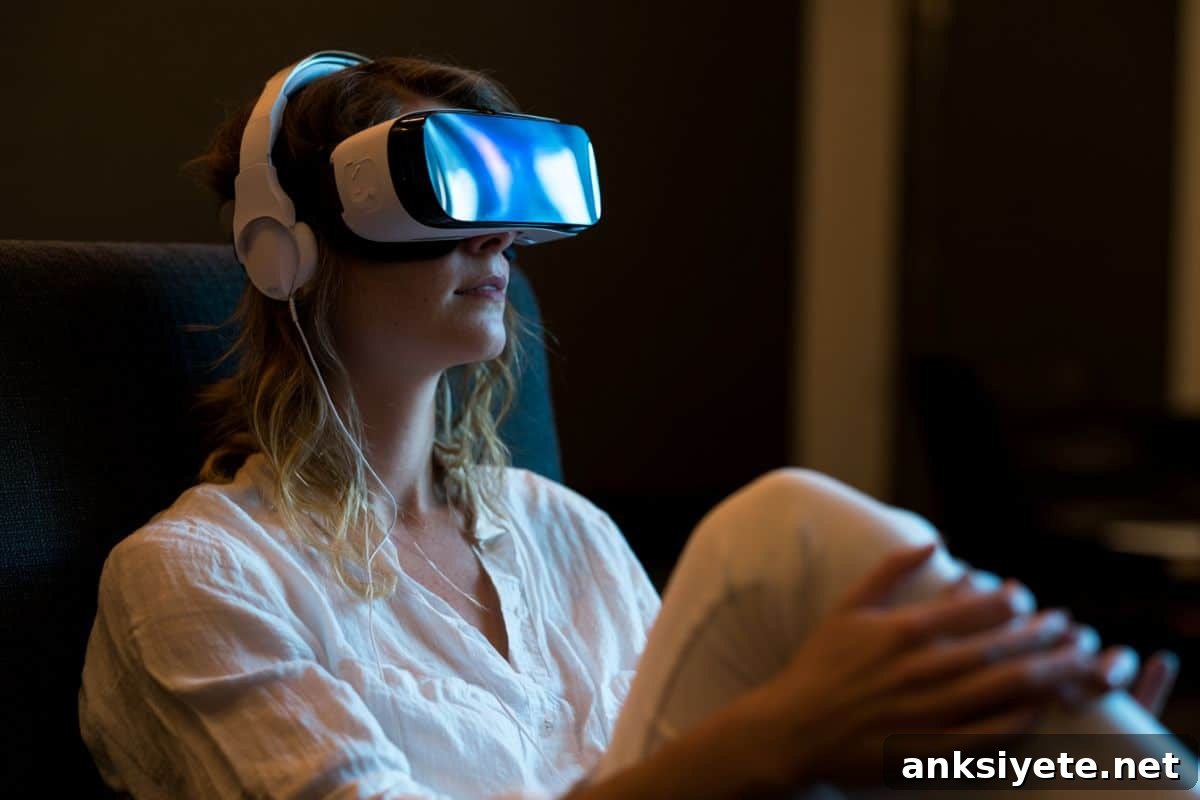
Summary: A first-of-its-kind remote study has launched to investigate cybersickness, one of the most persistent technical and clinical barriers to wider virtual reality (VR) adoption. Cybersickness arises from a sensory-motor mismatch: high-fidelity visual motion experienced inside a headset conflicts with the user’s stationary bodily orientation, producing symptoms such as nausea, dizziness, and disorientation.
To scale beyond the limits of traditional laboratory studies, researchers are using the Virtual Experience Research Accelerator (VERA), an innovative platform funded by the National Science Foundation (NSF). VERA delivers standardized, complex immersive research protocols directly to participants’ homes, enabling rapid, large-scale trials that would otherwise take months of in-person testing.
Key Facts
- Rapid scaling: VERA collected data from over 250 remote participants in just 15 cumulative days, with more than 90 participants completing the protocol during the first three days—far faster than the comparable in-lab study that was limited to 30 people.
- Standardized protocol: The study uses a 30-minute immersive session called the “Cybersicker,” delivered to participants’ personal Meta Quest headsets. The experience is designed to provoke and measure motion-related symptoms in a controlled way.
- Detailed measurements: The automated protocol prompts subjective sickness ratings every 30 seconds and simultaneously records objective measures including continuous head-tracking coordinates, in-VR visual acuity assessments, and pre- and post-exposure questionnaires.
- Large target cohort: Enrollment is ongoing with a goal of 2,000 remote participants to reveal broad individual differences in biological susceptibility to cybersickness.
- Wider implications: Understanding and reducing the sensory mismatches that cause cybersickness is essential for expanding safe VR use across healthcare, education, industrial training, and everyday accessibility.
Source: UCF
A large-scale remote study using VERA is now underway to investigate cybersickness with unprecedented speed and reach.
Cybersickness remains a major challenge for VR adoption because it stems from a core sensory conflict. Visual systems inside a headset often signal motion—such as the sensations of a virtual roller coaster—while the vestibular system in the inner ear and proprioceptive feedback from the body indicate no actual movement. That mismatch can quickly produce nausea, dizziness, and other uncomfortable symptoms.
“Understanding who is susceptible to cybersickness is critical to improving VR accessibility, making VR more comfortable for all users and enabling broader adoption across research, education and industry,” says Gerd Bruder, associate professor at the University of Central Florida, who leads the study in collaboration with university colleagues and external partners.
Early results illustrate VERA’s ability to accelerate VR research. In just 15 cumulative days, more than 250 participants completed the full remote protocol using their own Meta Quest headsets from home. That throughput contrasts sharply with the original in-lab effort, which included only 30 participants, and highlights how remote platforms can dramatically shorten data-collection timelines for large cohorts.
Each participant follows the same standardized workflow: don the headset, complete a controlled virtual carnival ride designed to provoke motion symptoms, provide symptom ratings at 30-second intervals, undergo an in-VR visual acuity check, and answer brief pre- and post-exposure surveys. Meanwhile, the platform continuously streams precise head-tracking data for later analysis.
The research team aims to recruit 2,000 participants to capture a comprehensive range of individual responses. Preliminary analyses already indicate meaningful differences in how rapidly and severely people experience cybersickness, suggesting that susceptibility varies widely across individuals. Future results will help identify patterns that explain these differences and inform targeted mitigation strategies.
“VERA was built to study problems like this with a combination of speed, scale, and experimental complexity not previously possible,” says Gregory Welch, the lead principal investigator on VERA at UCF. “This is just the beginning. The sectors where VERA can make an impact are expansive, from healthcare to workforce training to accessibility and learning.”
Key Questions Answered:
A: Cybersickness is driven by a sensory mismatch or prediction error in the brain’s spatial orientation systems. Visual input from a VR headset can indicate rapid motion while the vestibular system and proprioceptors signal that the body is still. This conflict often produces nausea, dizziness, and generalized discomfort.
A: VERA converts consumer VR headsets into remote data-collection devices. Participants launch a standardized application on their personal Meta Quest device, which delivers a controlled 30-minute protocol. During the session, the software pauses at 30-second intervals to collect symptom ratings, monitors visual performance inside VR, and continuously records head-tracking data for research analysis.
A: Small laboratory studies often miss the diversity of human biological responses. Early findings from VERA already reveal substantial individual variation in susceptibility and symptom progression. A dataset from 2,000 diverse participants will allow researchers and engineers to identify risk factors, design personalized accessibility settings, develop software mitigation techniques, and inform safer hardware standards across clinical and commercial VR applications.
Editorial Notes:
- This article was edited by a Neuroscience News editor.
- The journal paper was reviewed in full by staff.
- Additional context was added by the editorial team.
About this cybersickness and neurotech research news
Author: Mikita Nayee
Source: UCF
Contact: Mikita Nayee – UCF
Image: Image credited to Neuroscience News