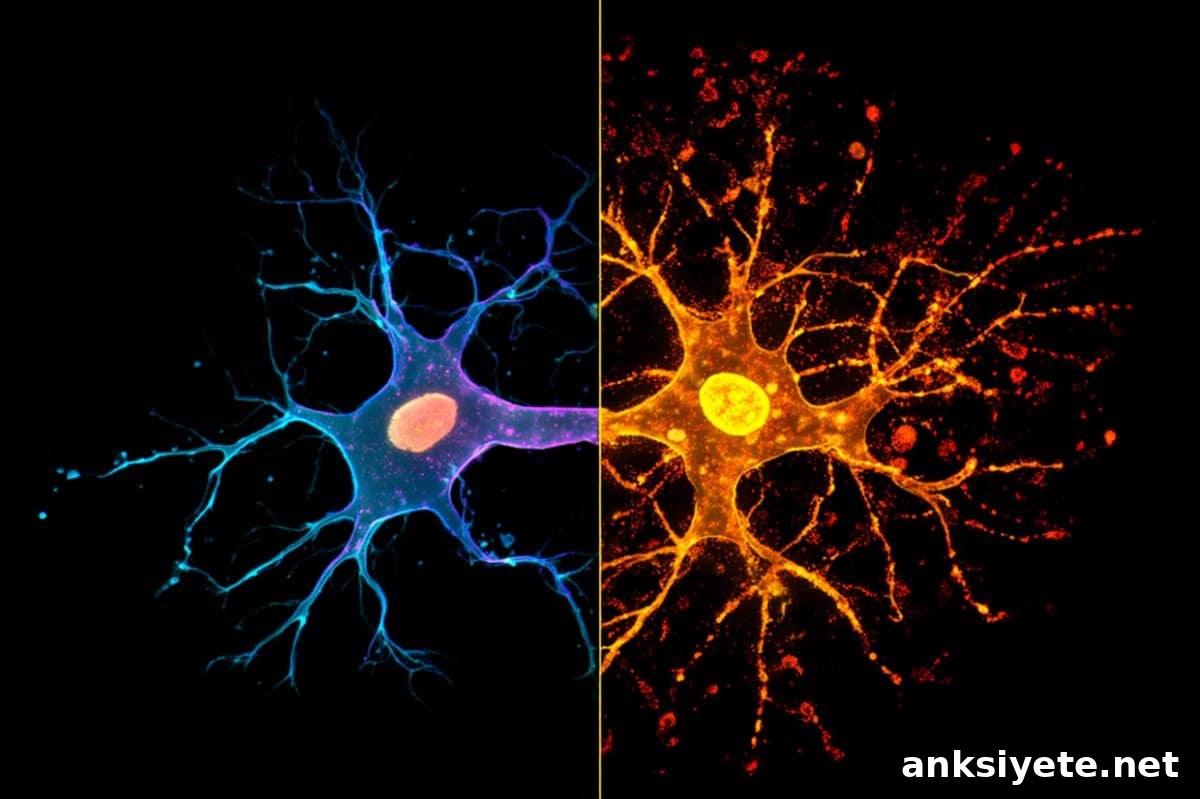
Summary: Adding a daily probiotic supplement to standard antidepressant care produced modest but meaningful reductions in depressive and anxiety symptoms among older adults with moderate depression. In this 24-week pilot trial, 58 participants aged 60 and older were monitored using fecal microbiota profiling and serum brain-derived neurotrophic factor (BDNF) measurements to evaluate biological and clinical effects.
Although both the probiotic and placebo groups experienced substantial clinical improvement—likely reflecting the benefits of standard antidepressant care—the probiotic arm showed clearer reductions in symptom scores for depression and anxiety. The results suggest that probiotics may be a safe, affordable, and biologically plausible adjunctive therapy for late-life depression, warranting larger trials to confirm effectiveness and generalizability.
Key Facts
- Targeted geriatric relief: Daily supplementation with probiotic strains alongside standard antidepressant treatment produced measurable decreases in depressive and anxiety symptoms in adults aged 60 and older.
- Biomarker and microbiome tracking: The 24-week pilot trial combined validated clinical scales with biological markers, including serum BDNF and fecal microbiota profiling, to assess both symptom change and biological effects.
- Strong effect of standard care: Both study arms showed large overall improvements during follow-up, underscoring the clinical value of standard antidepressant management in this population.
- Quality of life outcomes: While mood and anxiety measures improved, the probiotic group did not show consistent additional gains in global self-reported quality of life over placebo.
- A scalable public health aim: Investigators are planning a larger, multi-center clinical trial to establish whether low-cost probiotic interventions can be implemented broadly as an adjunctive public health strategy for older adults with depression.
Source: Wiley
In a pilot randomized, double-blind trial reported in the Journal of the American Geriatrics Society, adding probiotic therapy to standard care for older adults with moderate unipolar depression produced modest but meaningful reductions in depressive and anxiety symptoms compared with placebo.
The trial randomized 58 participants in India, all aged 60 or older and diagnosed with moderate depression, to receive either a daily probiotic supplement or matched placebo for 12 weeks while continuing standard antidepressant care. Participants were followed for an additional 12 weeks to evaluate both short-term and sustained effects.
Investigators used validated clinical measures (including the Montgomery-Åsberg Depression Rating Scale and GAD-7), serum BDNF as a biological marker of neuroplasticity, and fecal microbiota profiling to track colonization by the supplemented strains and broader microbiome shifts. Results indicated symptom improvement with probiotics compared with placebo, an increase in serum BDNF, and greater fecal abundance of the supplemented strains. However, overall quality-of-life measures improved markedly across both groups without a clear added benefit from probiotics.
“These results are promising and novel,” said co-corresponding author Dr. Saibal Das of the Indian Council of Medical Research – National Institute for Research in Bacterial Infections, Kolkata. “We are now organizing a larger-scale clinical trial to verify these encouraging findings.” Co-corresponding author Abhinaba Ghosh of Tata Medical Center, Kolkata, emphasized a public health focus: “My aim is to develop affordable healthcare solutions that can reach a wider population and have meaningful impact.”
Key Questions Answered:
A: BDNF is a protein that supports neuron growth, survival, and synaptic plasticity—processes important for learning, memory, and mood regulation. Chronically low BDNF levels have been associated with neuronal atrophy and depressive disorders. Measuring serum BDNF offers a biological indicator of whether a treatment is promoting brain repair and adaptive plasticity.
A: The gut-brain axis links the gastrointestinal microbiome and the central nervous system through neural, immune, and metabolic pathways. Beneficial probiotic strains can modulate local inflammation, produce neurotransmitter precursors, and influence immune signaling. These microbial effects can lower systemic inflammation and send regulatory signals to the brain that help stabilize mood and reduce anxiety.
A: This pilot trial involved a limited sample (58 participants) and both study arms experienced significant improvement with standard care, which can make it difficult to isolate the independent contribution of probiotics. Larger, multi-center trials with greater sample sizes are needed to confirm efficacy, rule out chance or placebo effects, and determine clinical guidelines for routine practice.
Editorial Notes:
- This article was edited by a Neuroscience News editor.
- The full journal paper was reviewed for this summary.
- Additional explanatory context was added by the editorial staff to clarify methods and implications.
About this depression research news
Author: Sara Henning-Stout
Source: Wiley
Contact: Sara Henning-Stout – Wiley
Image: Image credited to Neuroscience News
Original Research: Open access. Efficacy of Adjunct PRObiotics in Moderate Unipolar Depression in Geriatric Patients: A Randomized Double-Blind Multicentric Trial (PRODG) – Preeti Sinha et al.; Journal of the American Geriatrics Society. DOI: 10.1111/jgs.70530
Abstract
Efficacy of Adjunct PRObiotics in Moderate Unipolar Depression in Geriatric Patients: A Randomized Double-Blind Multicentric Trial (PRODG)
Objective
To evaluate whether adjunctive probiotic supplementation containing Lactobacillus helveticus and Bifidobacterium longum, given alongside standard antidepressant care, improves clinical outcomes compared with placebo in older adults with moderate unipolar depression.
Methods
This randomized, double-blind, placebo-controlled pilot trial enrolled 58 participants aged 60 and above at two tertiary care centers. Participants were randomized 1:1 to receive daily probiotics or placebo for 12 weeks in addition to their standard antidepressant regimen, with a further 12-week follow-up. The primary outcome was treatment response defined as a ≥50% reduction in MADRS score. Secondary outcomes included measures of anxiety (GAD-7), cognition, quality of life (WHOQOL-BREF), serum BDNF, and gut microbiota composition assessed by fecal profiling.
Results
Mixed-effects modeling demonstrated significant symptom improvement over time for both depression and anxiety measures (MADRS and GAD-7). Overall symptom scores were lower in the probiotic group compared with placebo for both MADRS and GAD-7, although interactions between group and time were not statistically significant. Quality-of-life domains improved substantially across participants without an added benefit from probiotic supplementation. The probiotic group showed higher serum BDNF levels and increased fecal abundance of the supplemented strains versus placebo. Notably, attrition exceeded 50% over the full 24-week period and concurrent antidepressant dosing and benzodiazepine use affected selected outcomes.
Conclusion
In this pilot PRODG trial, adjunctive probiotics produced modest advantages in depressive and anxiety symptoms compared with placebo, while both groups experienced marked improvement under standard care. The results support the safety and biological plausibility of probiotic supplementation as an adjunct treatment for late-life depression, but confirmatory larger-scale trials are needed to establish definitive clinical recommendations.