
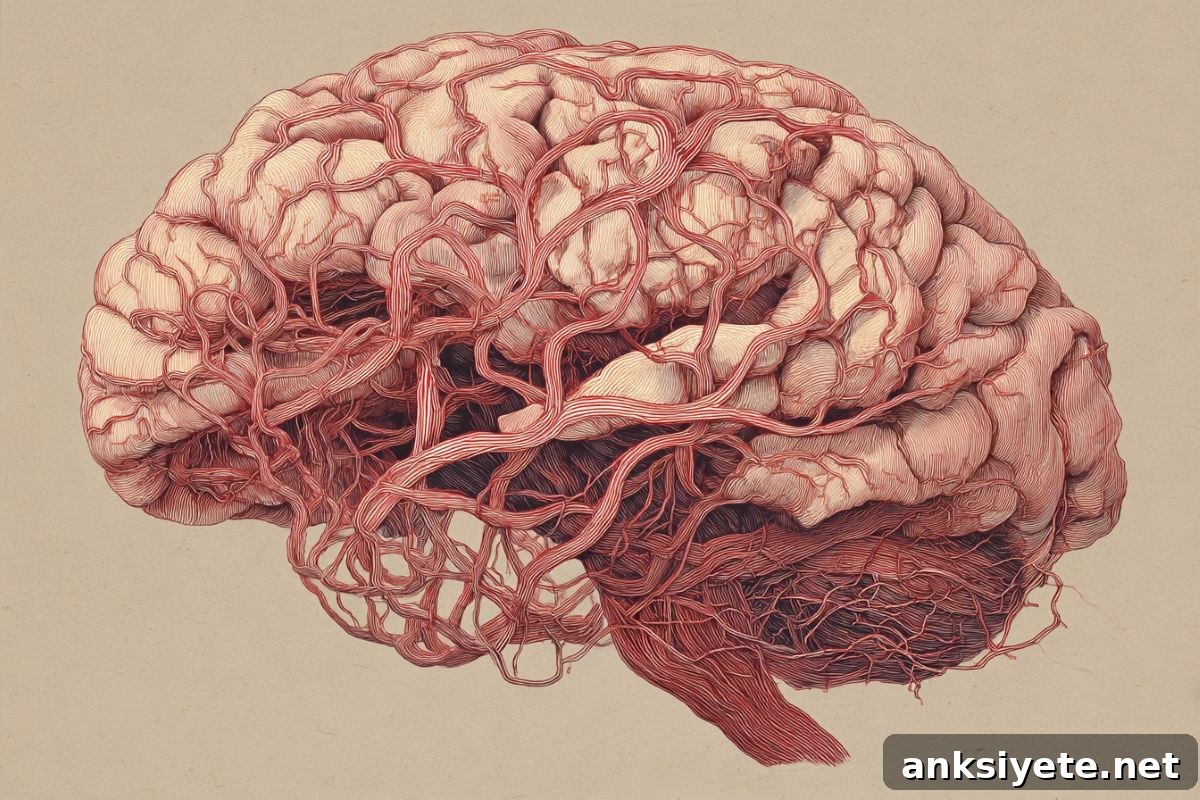
Summary: Although 92% of Americans agree that studying the brain is essential to advance autism research, a surprising 70% have never heard of postmortem brain donation. New survey results from Autism BrainNet expose a wide gap in public understanding. Unlike organ donation—which more than 80% of people recognize—brain donation is a distinct process and is not covered by the organ-donor designation on a driver’s license.
Autopsy-collected brain tissue is a vital, irreplaceable resource for researchers studying autism. Current technologies such as artificial intelligence, MRI scans, or animal models cannot substitute for the microscopic, cellular, and molecular information that only human postmortem brain tissue can provide.
Key Facts
- Brain donation is a separate process: Only 15% of respondents realized that being a registered organ donor does not automatically include brain donation.
- Time-sensitive collection: To preserve scientific value, brain donation generally must occur within hours after death, and ideally within 48 hours; fewer than half of respondents were aware of this important timeframe.
- Eligibility misconceptions: About one-third of people mistakenly believe that medical conditions such as autism or epilepsy disqualify someone from donating. In fact, researchers specifically need brains from people with autism and related conditions to advance scientific understanding.
- No cost to families: Autism BrainNet handles logistics and expenses; donation does not interfere with funeral arrangements or prevent open-casket viewings.
Source: Autism BrainNet
Autism BrainNet today released survey findings that reveal a major disconnect between public support for autism research and awareness of how postmortem brain donation contributes to that research.
The nationwide survey, conducted Feb. 26–Mar. 2, 2026, with 1,007 respondents, found that 70% had never heard of brain donation. This is striking given that 92% of respondents agreed that studying the autistic brain is extremely or very important to move science forward.
While more than 80% of people are familiar with organ donation—and over half report being registered organ donors—only 15% understood that brain donation requires a separate registration and process. The medical teams and purposes differ: organ donation is focused on transplantation, whereas brain donation supports research into the biological causes and mechanisms of autism and related disorders.
“For researchers who study autism and related neurodevelopmental conditions, postmortem brain tissue is a critical scientific resource that cannot be replicated by artificial intelligence, imaging technologies, or even animal experiments,” said David G. Amaral, Ph.D., Scientific Director of Autism BrainNet and UC Davis Distinguished Professor.
Autism BrainNet’s mission is to facilitate high-quality autism research, provide clear information to potential donors and families, and help people plan for donation before a time of grief so decisions can be made calmly and intentionally.
Survey Highlights: Common Misunderstandings
The study exposes widespread confusion about how brain donation works and who is eligible. Less than half of respondents knew that brain donation needs to take place within hours—not days or weeks—after death. A small percentage mistakenly thought donation could occur while a person is still alive.
Misconceptions about eligibility were also prevalent. Nearly one-third of respondents believed that having autism or epilepsy would disqualify someone from donating. In reality, such diagnoses make donated tissue especially valuable because researchers need a diverse set of brains to understand the biological variety of autism and related conditions.
Family experience underscores the meaning of donation. Kathy Stein shared why she donated her younger brother Ed’s brain to Autism BrainNet: to honor his life and extend his legacy by contributing to research that could reveal biological causes of autism and related neurodegenerative disorders.
Public Engagement and Outreach
To increase public awareness during Autism Acceptance Month, Autism BrainNet will host an online “Ask Me Anything” session on April 29 from 12–2pm ET. The session will feature Dr. David Amaral and Dr. Alycia Halladay, Chief Science Officer of the Autism Science Foundation, answering questions about what brain donation involves, how to register, and how the process is carried out.
Dr. Amaral emphasized, “Brain donation is for research purposes only, not for transplantation. Brain donors can also be organ and tissue donors, and most medical conditions do not prevent brain donation. We especially need postmortem brains from autistic people and individuals with related neurodevelopmental conditions to advance research.”
Autism BrainNet accepts donations from people diagnosed with autism (including those with additional diagnoses), from individuals with genetic conditions associated with autism, and from non-autistic donors. To maintain the scientific utility of tissue, donations are ideally received within 48 hours of death, though later donation may sometimes be possible. There is no cost to families, and all arrangements are coordinated by Autism BrainNet so that funeral plans and family preferences remain unaffected.
Key Questions Answered:
A: No. Organ donation focuses on transplantation to save lives immediately, while brain donation is dedicated to research that advances understanding of diseases for future treatments. The registration and medical procedures are different, so you must register separately for brain donation through organizations such as Autism BrainNet.
A: No. Trained professionals perform the procedure respectfully and in a way that does not affect traditional viewing or funeral services. Donation does not delay burial or cremation plans.
A: Advanced technologies provide valuable information but cannot reveal the microscopic cellular and molecular details visible only in actual brain tissue examined under a microscope. Studying physical tissue remains essential to understand the biology of autism.
Editorial Notes:
- This piece was edited by a Neuroscience News editor.
- The associated journal paper was reviewed in full.
- Additional context was added by editorial staff.
About this autism research news
Author: Jessica Daitch
Source: Autism BrainNet
Contact: Jessica Daitch – Autism BrainNet
Image: The image is credited to Neuroscience News