Antibiotics and Maternal Mental Health: Large Nationwide Study Shows Stepwise Association
Summary: Antibiotics are essential for treating bacterial infections, but new research suggests their use around the time of conception and in early pregnancy may be associated with higher rates of psychological distress. A large analysis of more than 94,000 participants in the Japan Environment and Children’s Study (JECS) identified a stepwise relationship between antibiotic exposure and symptoms of anxiety and depression during early to mid-pregnancy.
Researchers examined antibiotic use in the year before early pregnancy and measured psychological distress with the Kessler Psychological Distress Scale (K6). Women who reported antibiotic use in both the preconception period and after pregnancy recognition had higher odds of moderate and severe psychological distress compared with women who reported no antibiotic use. The authors propose that disruption of the gut microbiota and the gut-brain axis could help explain these associations.
Key findings and implications for pregnancy and mental health
- Large sample size: The analysis included 94,490 pregnant women enrolled in JECS, a nationwide birth cohort study in Japan.
- Stepwise association: Psychological distress increased with the number of periods in which antibiotics were used (no use, use in either the pre-recognition or post-recognition period, use in both periods).
- Moderate distress: Adjusted odds ratios (aORs) for moderate psychological distress were higher for women who used antibiotics during one period and highest for those who used antibiotics during both periods (aOR roughly 1.07 for use in either period and 1.22 for use in both periods based on the study results).
- Severe distress: For severe psychological distress, the study reported a notable increase when antibiotics were used in both periods (aOR ~1.50, reflecting about a 50% increase in odds compared with no antibiotic use).
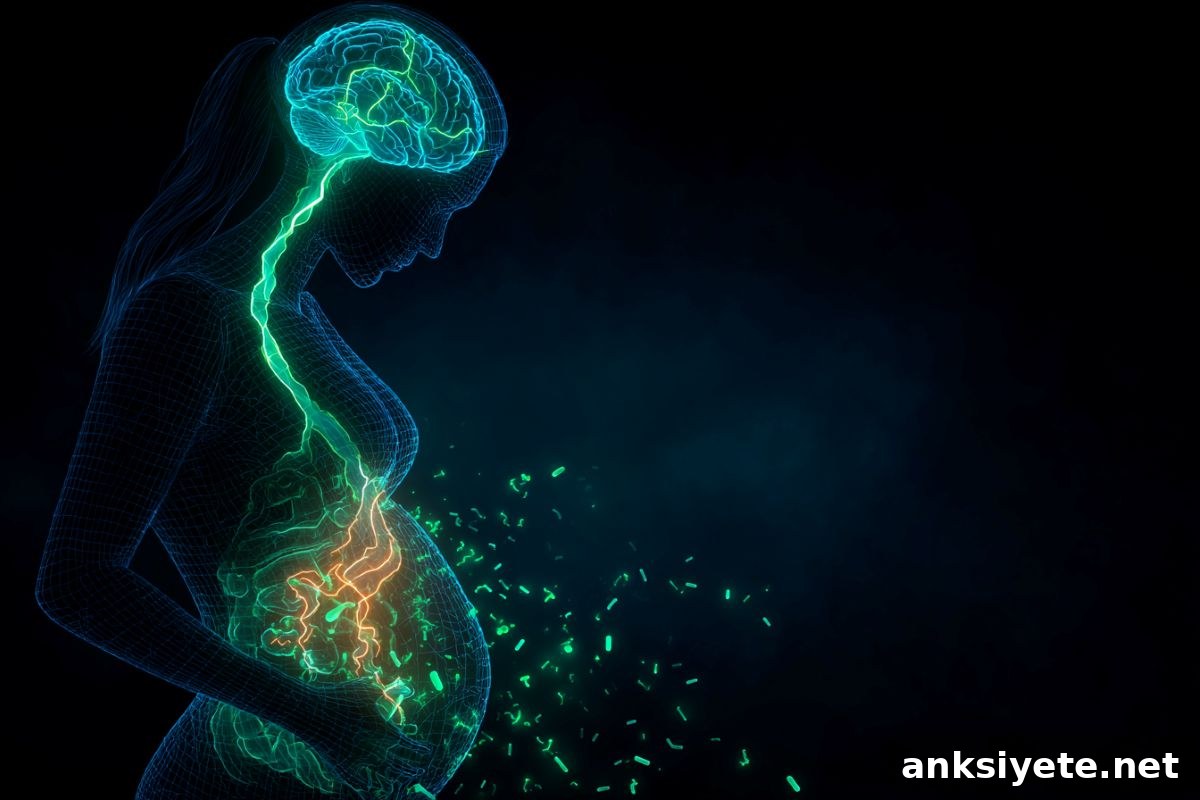
- Possible mechanism: The gut microbiome, disrupted by antibiotics, may influence mood through the gut-brain axis—affecting inflammation and neurotransmitter production such as serotonin.
- Clinical relevance: The findings do not argue against necessary antibiotic treatment. Instead, they underscore the importance of avoiding unnecessary antibiotic prescriptions, particularly during the periconception and early pregnancy periods.
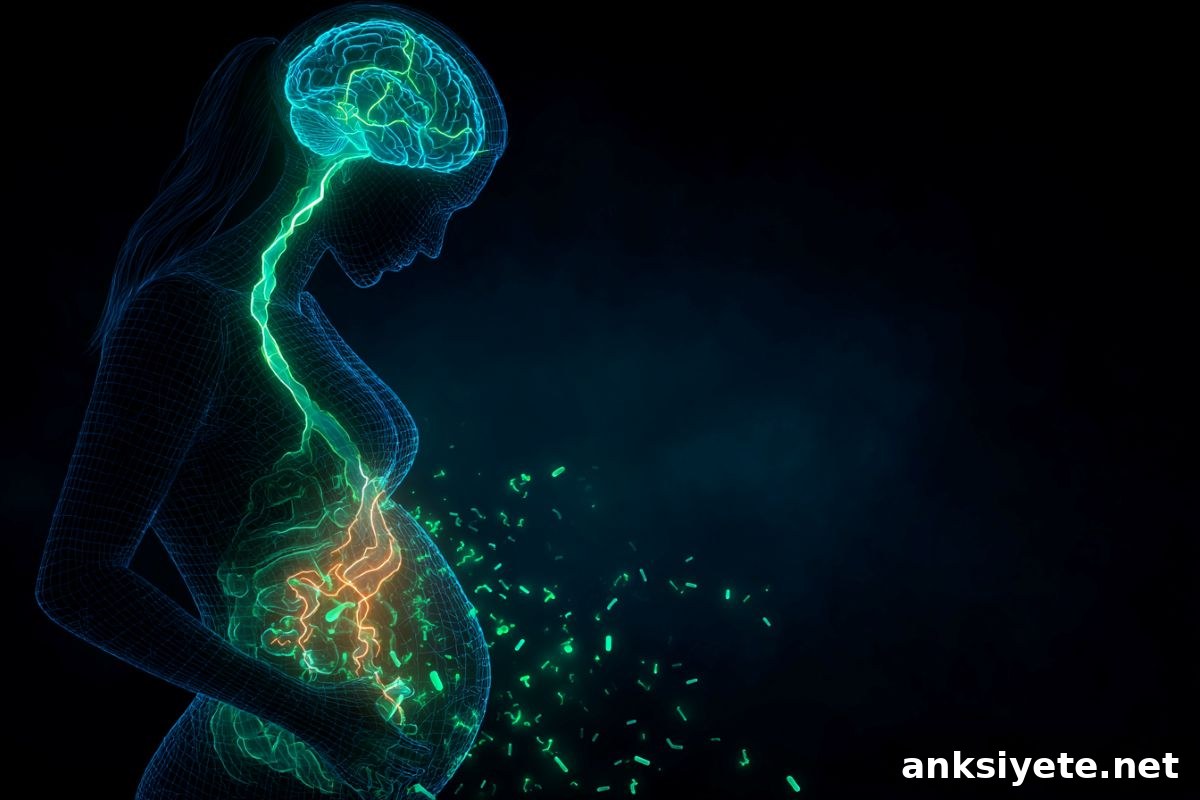
The study was published in Volume 26 of BMC Public Health on January 10, 2026. The lead authors include Kenta Matsumura (formerly a Junior Associate Professor at the University of Toyama, now a Professor at Aomori University of Health and Welfare) and Hidekuni Inadera (Toyama Unit Center of JECS, University of Toyama). The analysis aimed to clarify how antibiotic exposure around the time of conception relates to maternal psychological distress in early- to mid-pregnancy.
Study design and statistical approach
Participants were mostly around 12 weeks’ gestation at enrollment, with follow-up assessments around 15 weeks. Antibiotic exposure was recorded for the year before early pregnancy and classified into three groups: no antibiotic use, use during either the period before or after pregnancy recognition, and use during both periods. Psychological distress was measured using the Japanese version of the K6 scale, where scores of 5–12 indicate moderate distress and scores of 13 or higher indicate severe distress.
The investigators used a Bayesian multinomial generalized linear model to calculate adjusted odds ratios (aORs) and 95% credible intervals, controlling for potential confounders including maternal age, pre-pregnancy BMI, education, income, smoking, alcohol use, marital status, and prior psychiatric history.
Results in brief
Compared with women who reported no antibiotic use, those who reported use in either the preconception or early pregnancy period had a small increase in odds of moderate psychological distress, while women who reported antibiotics in both periods showed a clearer increase. For severe psychological distress, antibiotic use in both periods was associated with a substantially higher adjusted odds ratio (approximately 1.50), indicating a clinically meaningful increase in likelihood of high distress scores during early- to mid-pregnancy.
The pattern observed suggests a dose–response–like relationship between antibiotic exposure windows and psychological distress during early- to mid-pregnancy.
Interpretation and clinical message
The authors stress that antibiotics remain critical when medically indicated. The study’s findings are not a reason to withhold necessary treatment. Instead, they support ongoing efforts to limit inappropriate antibiotic prescribing—such as for viral illnesses like the common cold—and to promote awareness of maternal mental health risks associated with gut microbiota disruption. Women planning pregnancy or in early pregnancy may benefit from discussions with their care providers about when antibiotic treatment is necessary and about strategies to support gut and mental health.
Key questions answered
Q: Should I stop taking antibiotics if I’m pregnant or trying to conceive?
A: No. Antibiotics are essential when medically necessary. The concern is inappropriate use—taking antibiotics for viral infections or other non-bacterial conditions. The study underlines the value of avoiding unnecessary prescriptions.
Q: How can an antibiotic affect emotional state?
A: Antibiotics can alter the gut microbiota, which plays a role in producing and regulating chemicals that affect mood. Disruption of beneficial bacteria may influence inflammation and neurotransmitter balance, potentially contributing to symptoms of anxiety or depression.
Q: Is the risk of distress permanent?
A: This study measured distress in early- to mid-pregnancy. The gut microbiome can recover over time, but disruption during critical hormonal and developmental windows may be particularly consequential. More research is needed on longer-term effects and recovery.
Editorial notes
- Edited by a Neuroscience News editor.
- The journal paper was reviewed in full for accuracy.
- Additional context was provided by editorial staff.
About this research and credits
Author: Yumiko Kato
Source: University of Toyama
Contact: Yumiko Kato – University of Toyama
Image credit: Neuroscience News
Original research (open access): Periconceptional antibiotic use and early- to mid-pregnancy psychological distress in a nationwide birth cohort: cross-sectional analysis from the Japan Environment and Children’s Study. Authors include Kenta Matsumura, Hitomi Inano, Junko Sakai, Kanako Shimada, Akiko Tsuchida, Hidekuni Inadera and the JECS Group. Published in BMC Public Health. DOI: 10.1186/s12889-025-26119-0.
Abstract
Background
Antibiotic use has emerged as a potential risk factor for psychiatric symptoms, but evidence for effects during pregnancy is limited despite frequent antibiotic use among expectant mothers. This study examined the association between antibiotic use in the year before early pregnancy and psychological distress during early- to mid-pregnancy in a large nationwide cohort.
Methods
Data from 94,490 pregnant participants in JECS were analyzed. Antibiotic use was categorized as no use, use during either the period before or after pregnancy recognition, or use during both periods. Psychological distress was measured with the K6 scale (scores 5–12 moderate, ≥13 severe). A Bayesian multinomial generalized linear model estimated adjusted odds ratios controlling for selected confounders.
Results
Compared with no antibiotic use, adjusted odds ratios for moderate psychological distress were modestly increased for use in either period and higher for use in both periods. For severe psychological distress, use in both periods was associated with a stronger increase (aOR ≈ 1.50).
Conclusions
The analysis revealed a dose–response–like pattern, suggesting that antibiotic exposure around conception and in early pregnancy may be an independent risk factor for psychological distress during early- to mid-pregnancy. These findings highlight the value of judicious antibiotic use beginning in the preconception period.
Funding information: The Japan Environment and Children’s Study (JECS) was funded by the Ministry of the Environment, Japan.