
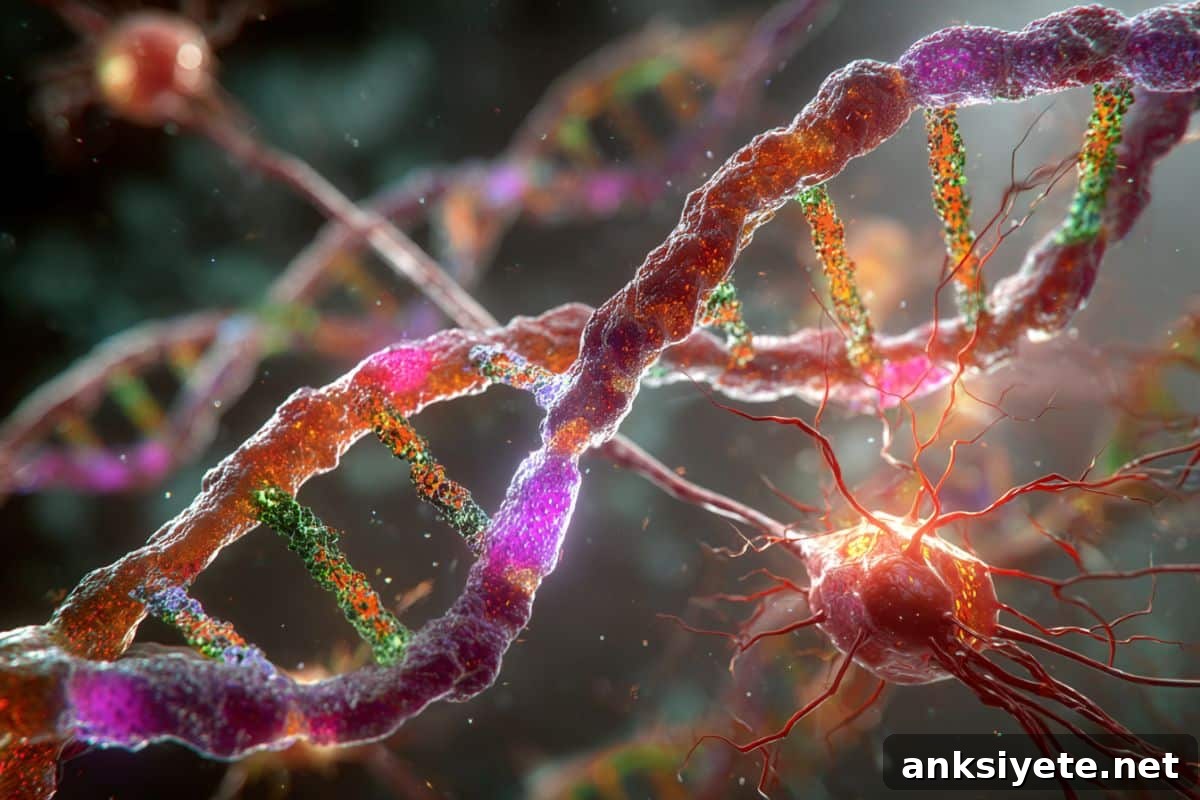
Summary: Researchers at Baylor College of Medicine and collaborators found that two interacting genetic faults are required to trigger Parkinson’s-like neurodegeneration. In fruit fly models, a common Parkinson’s risk gene, GBA1, by itself was not sufficient to produce disease. When combined with a second mutation in ATP13A2 (called anne in flies), the pair caused progressive neuron loss through a breakdown of the brain’s lysosomal waste-management system.
The study describes a toxic cascade: neurons with impaired lysosomes overproduce a lipid called glucosylceramide (GlcCer). Excess GlcCer is transferred to nearby glial cells, which become overwhelmed, swell, and initiate inflammatory and degenerative processes that eventually cause neuronal death. These findings clarify why some people who carry a single GBA1 risk variant remain healthy while others develop Parkinson’s disease (PD) and identify intervention points for future therapies.
Key findings
- Digenic mechanism: One mutated copy of GBA1 raises PD risk but often is not enough alone; a second mutation in ATP13A2 can combine with GBA1 to produce neurodegeneration.
- Cell-type specificity: GBA1 acts mainly in glial cells, while ATP13A2 (anne in flies) functions primarily in neurons. The interplay between these cell types drives pathology.
- Lipid overflow: Neuronal lysosomal failure increases GlcCer production. Glia take up this excess until their own lysosomal systems fail.
- Lysosomal dysfunction: Impaired acidification and trafficking in lysosomes underlie the failure of cellular recycling and clearance, collapsing local waste-management and triggering degeneration.
- Therapeutic leads: Compounds that improve lysosomal function (ML-SA1) or lower GlcCer synthesis (myriocin) reduced toxic buildup and rescued phenotypes in the fly model, suggesting translational targets.
Source: Baylor College of Medicine
Parkinson’s disease (PD) is the second most common neurodegenerative disorder after Alzheimer’s disease, affecting more than 10 million people worldwide. Symptoms include tremor, stiffness, slowness of movement and balance problems. These clinical signs reflect the progressive loss of specific neuronal populations. Many genetic risk factors for PD converge on lysosomal biology, but why some gene carriers develop disease while others do not has been unclear.
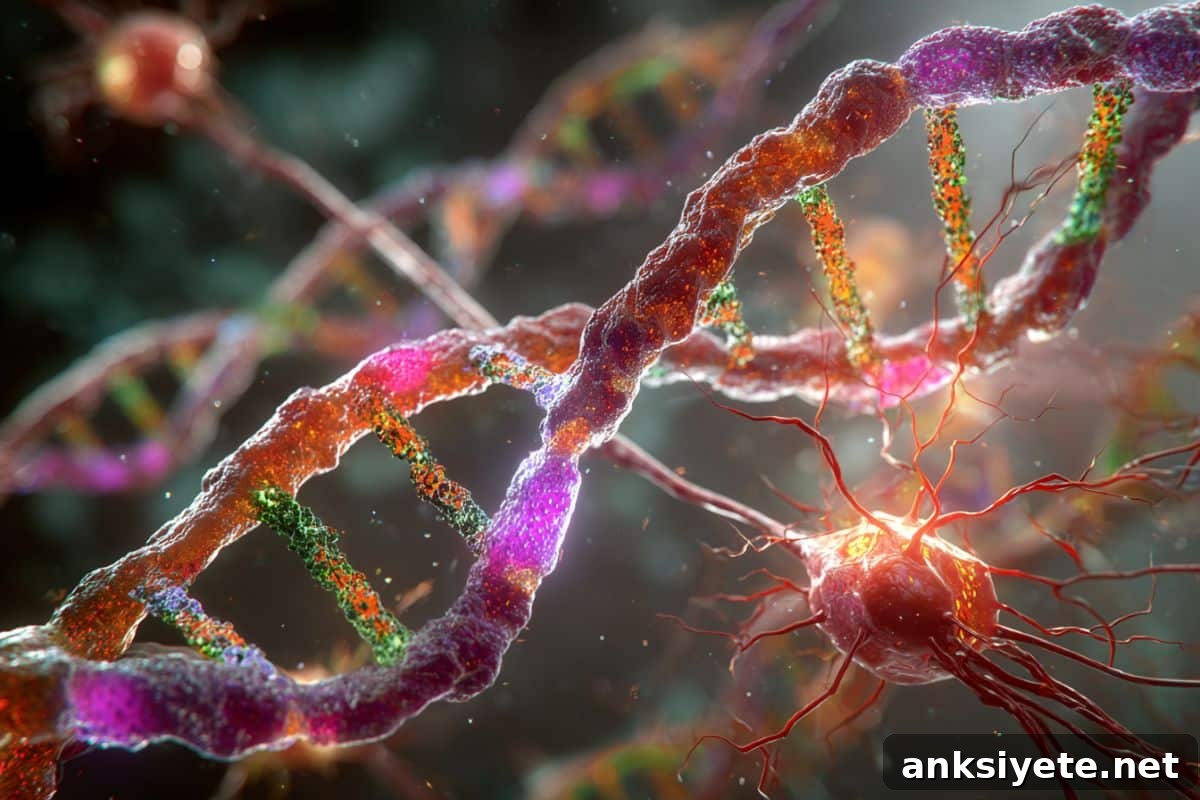
Using Drosophila melanogaster, the research team modeled partial loss-of-function for the fly homologs of human GBA1 (Gba1b) and ATP13A2 (anne). Flies lacking one copy of Gba1b alone did not show major neurological deficits. However, flies that were heterozygous for both Gba1b and anne developed a slow, progressive neurodegeneration characterized by movement defects, loss of neuronal function, and structural damage to neural tissue.
Mechanism: neurons and glia fail together
The investigators discovered that anne is expressed primarily in neurons, whereas Gba1b functions mainly in glia. In double-heterozygous animals, neuronal lysosomes lost proper acidity and trafficking, leading neurons to accumulate and export GlcCer. Glial lysosomes in turn became overloaded with GlcCer, swollen, and vacuolated. Early morphological changes were first visible in glia and included detachment from neurons, followed by progressive neuronal dysfunction and degeneration by around day 30 in the fly model.
These observations show a non-cell-autonomous mechanism in which lysosomal defects in neurons provoke a lipid overflow that glia cannot clear, effectively sabotaging the local support network neurons depend on. The result is a cascading failure of neuron–glia homeostasis and eventual cell loss in circuits related to vision and movement.
Intervention strategies identified
Importantly, the study tested pharmacological approaches that target the identified failure points. ML-SA1, an agonist reported to enhance lysosomal membrane trafficking, improved lysosomal activity and reduced pathological features. Myriocin, an inhibitor of GlcCer synthesis, lowered the toxic lipid burden in glia. DFMO, which reduces polyamine synthesis, also produced protective effects. Together these results point to lysosomal acidification, sphingolipid metabolism, and polyamine regulation as actionable targets for developing treatments intended to prevent or slow neurodegeneration driven by digenic lysosomal dysfunction.
Relevance to human disease
To connect the fly findings to human PD, the authors examined genetic data from local and international cohorts and identified individuals carrying pathogenic variants in both ATP13A2 and GBA1. The work supports a model in which partial loss of function in two lysosomal genes can synergize to produce disease, explaining variable penetrance among carriers of single risk alleles.
Methods overview
The study combined a genetic interaction screen in Drosophila with behavioural assays, electroretinography, electron microscopy, lipidomics, metabolomics, immunostaining, and pharmacological treatments. These complementary approaches established the sequence of cellular events—from neuronal lysosomal acidification defects and GlcCer overproduction to glial overload and neurodegeneration—and tested rescue strategies.
Conclusions
Partial loss of Gba1b in glia and anne in neurons acts synergistically to disrupt lysosomal pH and GlcCer homeostasis between neurons and glia, triggering progressive neurodegeneration in flies. These findings provide a plausible digenic explanation for GBA1-related PD penetrance and highlight lysosomal acidification, sphingolipid clearance, and polyamine regulation as promising intervention points for future therapies.
Frequently asked questions
Q: If I carry a Parkinson’s risk gene, am I certain to develop the disease?
A: No. This research suggests that a single defective gene like GBA1 often is not sufficient by itself. Disease is more likely when a second specific genetic problem compromises related lysosomal pathways.
Q: What role do lysosomes play in brain cell death?
A: Lysosomes act as cellular recycling centers. When lysosomal function falters, cells accumulate waste and toxic lipids. In this model, neurons dump excess lipid into glia; once glia become overwhelmed, neural support fails and neurons die.
Q: Do these results point to a near-term cure?
A: Not yet, but the study demonstrates that drugs improving lysosomal function or reducing GlcCer production can reverse pathology in a model organism. These lead mechanisms provide a biological roadmap for developing future human therapies.
Author: Ana María Rodríguez, Ph.D. (Baylor College of Medicine)
Source: Baylor College of Medicine
Image credit: Neuroscience News
Original research: Mingxue Gu et al., “Two lysosomal genes ATP13A2 and GBA1 interact to drive neurodegeneration,” Molecular Neurodegeneration. DOI: 10.1186/s13024-025-00923-z (open access).
Funding: This work was supported by the Huffington Foundation, the Duncan Neurological Research Institute, NIH grants U01CA271410 and P30CA15083, DBT/Wellcome Trust India Alliance grant IA/CRC/20/1/600002, the Intramural Research Program of the National Institute on Aging (grants Z01 AG000535 and ZIA AG000949), the Silverstein Foundation for PD with GBA1, and NICHD grant U54 HD083092.