
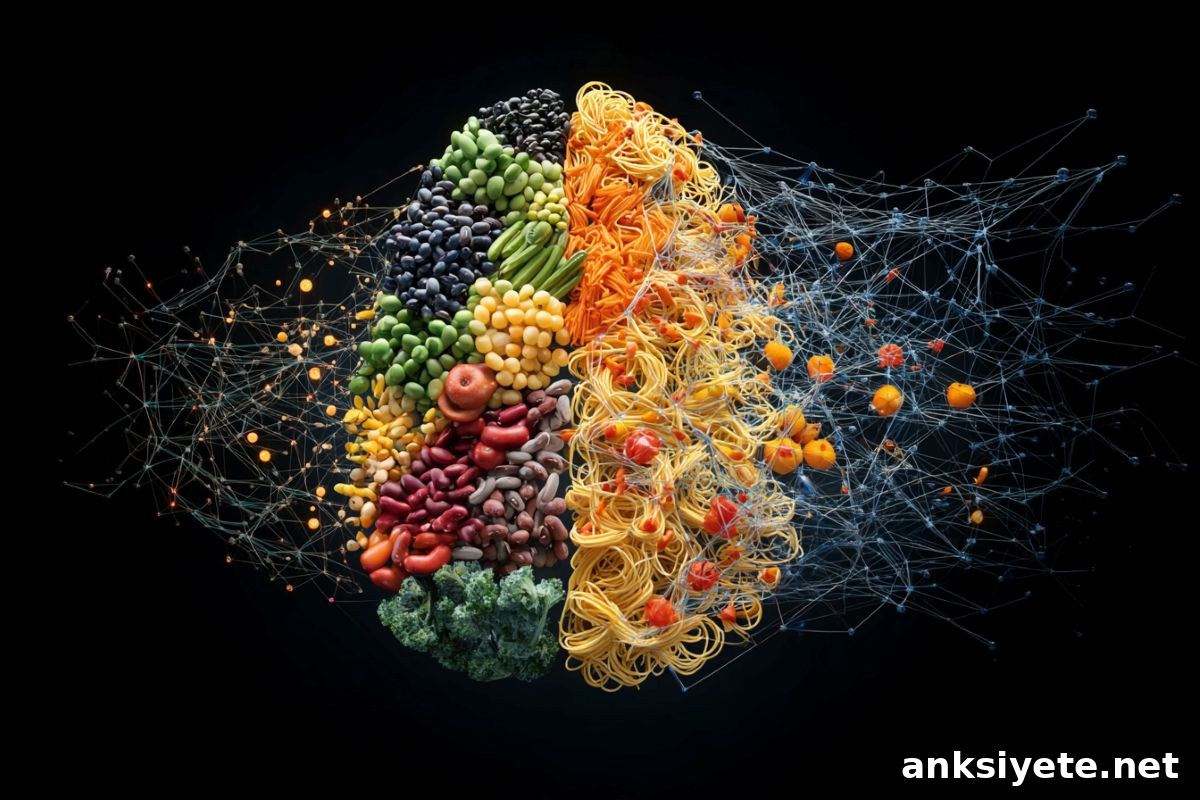
Summary: What a child eats at age two can influence their cognitive development years later. A longitudinal analysis of thousands of children in the 2015 Pelotas Birth Cohort (Brazil) found that toddlers who regularly consume ultraprocessed and “unhealthy” foods—such as instant noodles, sweet snacks, sodas, and processed meats—tend to score lower on IQ tests at ages six to seven compared with peers who do not follow that pattern.
The study shows that the presence of ultraprocessed foods in a toddler’s habitual diet is linked to poorer cognitive outcomes, while widespread consumption of healthy foods (beans, fruits, vegetables) in this population meant those items did not produce a detectable IQ advantage. The results point to a cumulative disadvantage: early biological vulnerabilities (for example, low birth weight or impaired growth) combined with an unhealthy diet amplify the negative effects on later cognitive performance.
Key Facts
- The Two-Year Pivot: Dietary patterns measured at age two strongly predicted cognitive performance and IQ at ages six to seven.
- Ultraprocessed Impact: An “unhealthy” dietary pattern—characterized by packaged snacks, instant noodles, sweet biscuits, candies, soft drinks, sausages and other processed meats—was consistently associated with lower IQ scores after controlling for many socioeconomic and family factors.
- Cumulative Disadvantage: The negative association between an unhealthy diet and IQ was larger among children who had early-life deficits in weight, height, or head circumference.
- Possible Biological Paths: Existing research suggests ultraprocessed diets may affect neurodevelopment through systemic inflammation, oxidative stress, and changes in the gut–brain axis.
- Healthy Foods as Baseline: In this cohort, about 92% of children regularly consumed the foods that defined the “healthy” pattern, so those items served as a baseline rather than an observable boost to IQ.
Source: University of Illinois
New analysis of the 2015 Pelotas Birth Cohort links diet at age two with cognitive outcomes at ages six to seven.
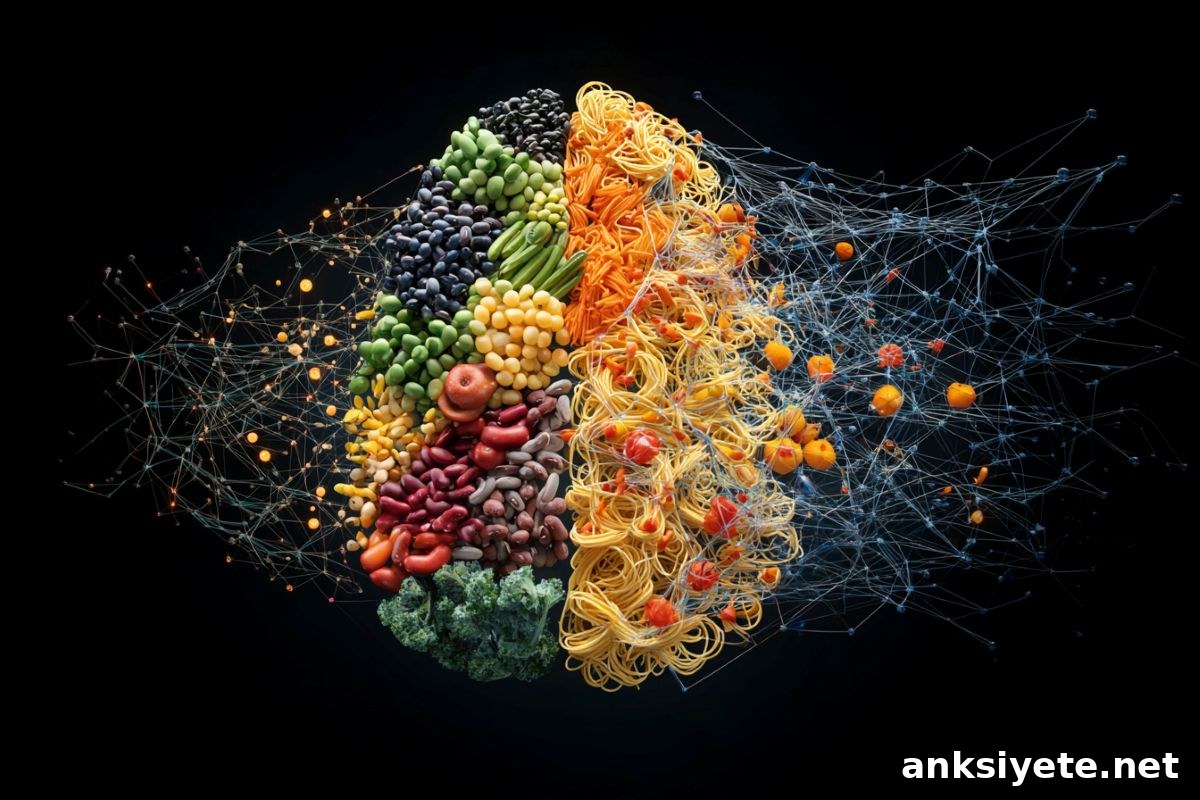
The Pelotas Birth Cohort is a large, long-running population study in southern Brazil that follows children from birth. Researchers from the University of Illinois and the Federal University of Pelotas recorded detailed habitual dietary data at age two and later evaluated cognitive performance when children reached early school age using standardized IQ testing.
Instead of isolating single foods or nutrients, the investigators analyzed overall dietary patterns. Using principal component analysis to identify common combinations of foods, they found two primary patterns among toddlers: a “healthy” pattern rich in beans, fruits, vegetables, baby foods and natural fruit juices, and an “unhealthy” pattern dominated by snacks, instant noodles, sweet biscuits, candies, soft drinks, sausages and processed meats.
Children who more closely followed the unhealthy pattern at age two had lower IQ scores at ages six to seven. This relationship remained after adjustment for a broad set of potential confounders, including socioeconomic status, maternal education and several measures of the home environment.
“Covariates were chosen based on prior evidence and causal diagrams,” said Thayna Flores, an assistant professor in the Department of Health and Kinesiology at the University of Illinois and a co‑author. The models adjusted for child sex, maternal age and schooling, maternal employment and depression, family structure, household size and composition, preschool attendance, measures of home stimulation, duration of exclusive breastfeeding, and timing of complementary feeding.
Some commonly debated variables, such as parental IQ, were not available in the cohort. The researchers did, however, include proxies for the learning environment at home—measures of stimulation and early childhood education—to help account for family influences.
One notable finding was that the healthy dietary pattern did not associate with higher IQ. Flores explained this likely reflects low variability: most children in the cohort already consumed healthy items habitually, so those foods served as the norm rather than a differentiator.
Where the results are most worrying is among biologically vulnerable children. The negative effect of the unhealthy dietary pattern on cognitive performance was stronger for children who had early-life deficits in growth or head circumference. This supports the concept of cumulative disadvantage, where biological risk and harmful environmental exposure—here, poor diet quality—interact to produce larger harms than either factor alone.
Although this study did not directly measure biological mechanisms, existing literature points to plausible pathways by which ultraprocessed diets could impair neurodevelopment, including systemic inflammation, oxidative stress, and disruptions of the gut–brain axis.
The investigators also explored whether breastfeeding or the timing of complementary foods changed the associations; those variables were included in adjusted models and examined for interaction. The strongest effect modification occurred with early-life deficits, while no consistent modification by sex, birth weight, gestational age, or breastfeeding duration was observed.
While the cohort is based in Brazil, the findings have broader relevance. Ultraprocessed products are increasingly common in toddler diets around the world, including in higher-income countries. The study’s longitudinal design, large sample size and high follow-up rates strengthen the evidence and suggest hypotheses worth testing in other settings.
For policymakers and health practitioners, the takeaway is straightforward: limiting habitual exposure to ultraprocessed foods in early childhood should be a priority, and counseling during routine child health visits needs reinforcement. Preventing early reliance on inexpensive, heavily marketed ultraprocessed options could help reduce long-term cognitive disparities.
Researchers are continuing to follow the Pelotas cohort and are collecting more detailed dietary data as study participants enter adolescence. Those future analyses will help clarify long-term effects and potential causal pathways, but the current results already emphasize that what toddlers regularly eat can quietly shape their learning and cognitive trajectory years later.
Key Questions Answered:
A: No. The study examined habitual dietary patterns. It was consistent daily reliance on ultraprocessed foods at age two—not an occasional treat—that was associated with lower cognitive scores later.
A: In this cohort, healthy foods were already widely consumed—about 92% of children habitually ate four or more foods in the healthy pattern—so there was little variation for researchers to detect an IQ benefit.
A: The brain is plastic, and improvement is possible, but this study suggests age two is a critical window. Children with biological vulnerabilities were most affected, highlighting the value of early intervention to reduce long-term disadvantages.
Editorial Notes:
- This article was edited by a Neuroscience News editor.
- Journal paper reviewed in full.
- Additional context added by the editorial staff.
About this diet, IQ, and brain development research news
Author: Vince Lara-Cinisomo
Source: University of Illinois
Contact: Vince Lara-Cinisomo – University of Illinois
Image: Image credited to Neuroscience News
Original Research: Open access. “Dietary patterns at age 2 and cognitive performance at ages 6–7: an analysis of the 2015 Pelotas Birth Cohort (Brazil)” by Heller GT, Flores TR, Carpena MX, Hallal PC, Domingues MR, Bertoldi AD. British Journal of Nutrition. DOI: 10.1017/S000711452610628X
Abstract
Dietary patterns at age 2 and cognitive performance at ages 6–7: an analysis of the 2015 Pelotas Birth Cohort (Brazil)
Early childhood is a critical period for brain development, and nutrition plays a central role. This study characterized dietary patterns at age two and examined their association with cognitive performance at ages six to seven using data from the 2015 Pelotas Birth Cohort (n = 4,275). Habitual dietary intake was measured via caregiver report and analyzed using principal component analysis to derive patterns.
Cognitive performance was assessed with the Wechsler Intelligence Scale for Children (4th edition), producing standardized IQ scores. Linear regression models tested associations between dietary patterns and IQ, adjusted for a comprehensive set of sociodemographic and family-related covariates.
The unhealthy dietary pattern—characterized by packaged snacks, instant noodles, sweet biscuits, sweets and candies, soft drinks, sausages and other processed meats—was negatively associated with IQ (P < 0.001). Exploratory analyses indicated that early-life deficits in weight, height or head circumference amplified this negative association (interaction P = 0.020). Children with high adherence to the unhealthy pattern who also had early-life deficits showed an average reduction of 4.78 IQ points (95% CI: −7.06, −2.49), while those without deficits had a 2.24-point reduction (95% CI: −3.35, −1.13) compared with children with low adherence. No significant associations were found between the healthy dietary pattern and IQ scores in this cohort.
These results suggest that regular consumption of ultraprocessed and nutritionally poor foods in early childhood may impair cognitive performance later in childhood, particularly for children who are already biologically vulnerable.