
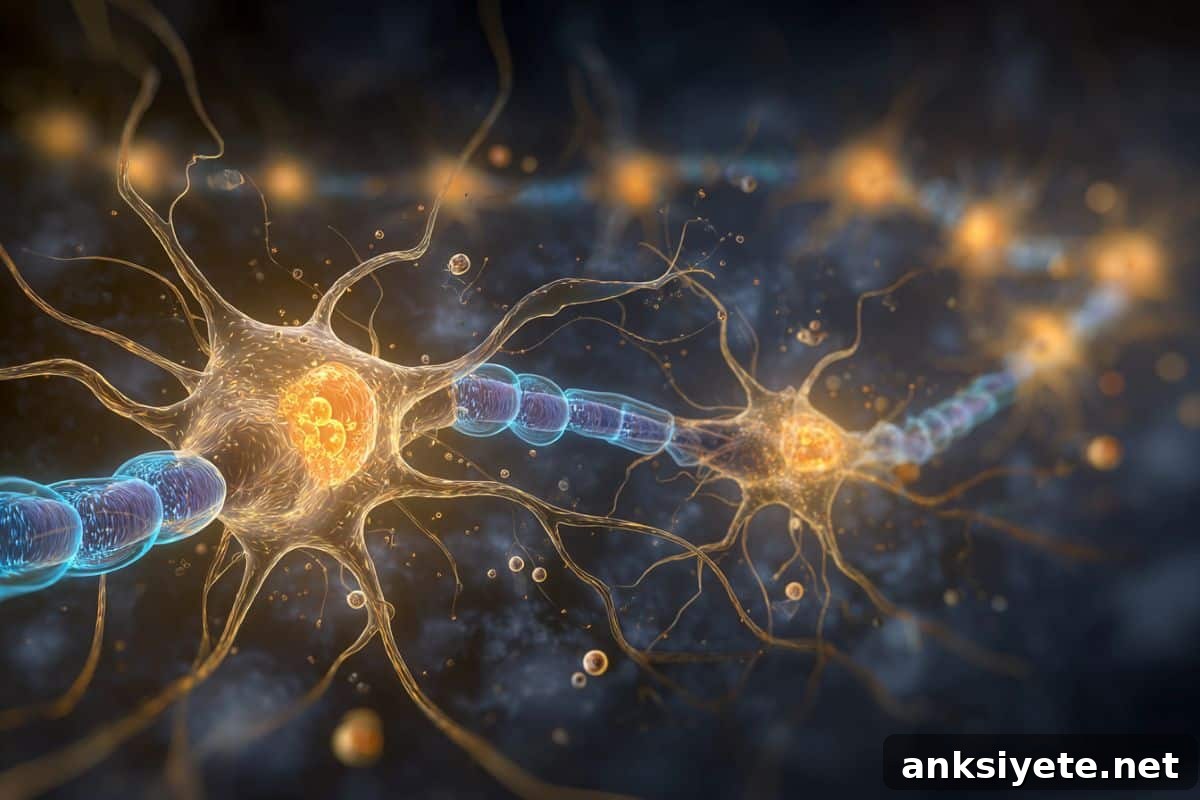
Summary: Changes in the brain protein KCC2 alter how cues become linked to rewards, reshaping the way animals learn which signals predict positive outcomes. Lower KCC2 activity increases coordinated dopamine neuron firing and strengthens new cue–reward connections, offering a mechanistic explanation for the formation of strong, sometimes harmful associations seen in addiction and habitual behaviors.
Experiments in rats show that brief, synchronized bursts of dopamine activity act as potent teaching signals that assign value to particular experiences. These results identify a fundamental mechanism of reward learning and point to potential strategies for treating addiction and other disorders of maladaptive learning.
Key Facts
- KCC2 influences learning: Reduced KCC2 amplifies dopamine neuron activity and makes cue–reward associations stronger.
- Teaching signals: Coordinated dopamine bursts serve as crucial signals during the formation of reward-related memories.
- Clinical relevance: Targeting KCC2-related signaling may help restore normal learning processes and improve therapies for addiction and related conditions.
Source: Georgetown University Medical Center
New research from Georgetown University Medical Center demonstrates that the strength of cue–reward learning can be changed by altering the activity of a single protein in the brain.
Learning to link a cue—like a sound or a place—with a positive outcome is a core brain process. Healthy learning lets us pursue beneficial rewards while avoiding harmful habits; when that process is hijacked, it contributes to disorders such as addiction, depression, and schizophrenia.
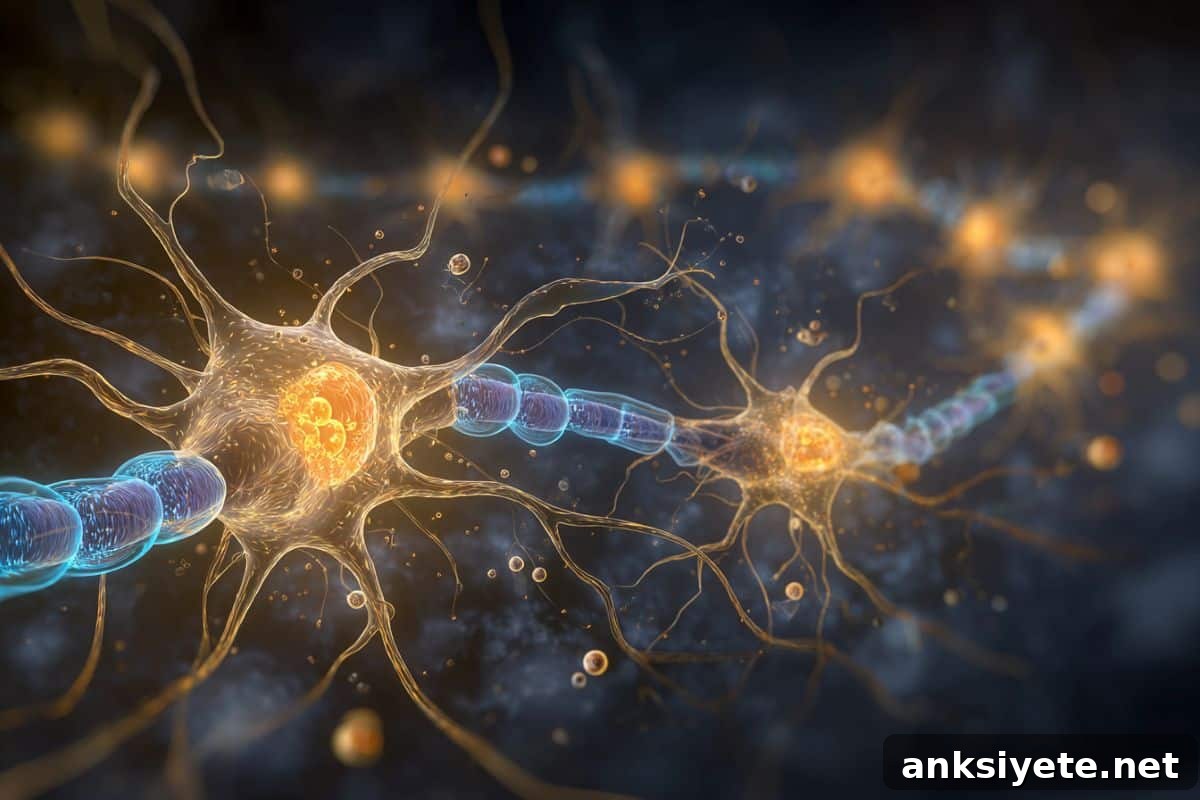
“Our ability to link certain cues or stimuli with positive or rewarding experiences is a basic brain process, and it is disrupted in many conditions such as addiction, depression, and schizophrenia,” says Alexey Ostroumov, PhD, assistant professor in the Department of Pharmacology & Physiology at Georgetown University School of Medicine and senior author of the study. “For example, drug abuse can cause changes in the KCC2 protein that is crucial for normal learning. By interfering with this mechanism, addictive substances can hijack the learning process.”
Funded by the National Institutes of Health, the study was published December 9 in Nature Communications.
The team found that reductions in KCC2 alter inhibitory network function in the midbrain. Specifically, lowered KCC2 in GABAergic neurons—cells that normally temper dopamine neuron activity—led to increased synchronization among those inhibitory cells and, paradoxically, to stronger dopamine responses. Those enhanced dopamine bursts then promoted the formation of new cue–reward associations.
Researchers combined tissue-level analyses with behavioral experiments in rats using classical Pavlovian cue–reward paradigms (for example, pairing a brief sound with the delivery of a sugar reward). Across preparations, diminished KCC2 corresponded with more robust learning: cues became more tightly linked to rewards when KCC2 was downregulated.
Importantly, the investigators show that it is not just the rate of neuron firing that matters but the timing and coordination across the network. When GABA neurons synchronize their activity, this can trigger intense, brief dopamine bursts that function as strong teaching signals to assign value to events that occur around the same time.
“These mechanisms help explain why powerful and unwanted associations form so easily, like when a smoker who always pairs morning coffee with a cigarette later finds that just drinking coffee triggers a strong craving,” Ostroumov notes. “Preventing or reversing these drug-induced changes in learning could lead to better approaches for treating addiction.”
The researchers also explored how drugs that act on inhibitory signaling, such as benzodiazepines, interact with KCC2-dependent mechanisms. Prior work has shown that changes in KCC2 alter the effects of calming drugs like diazepam. In this study, pharmacological manipulations that enhanced KCC2 function during learning reduced GABA neuron synchronization, blunted the dopamine teaching signals, and prevented the formation of cue–reward associations.
“To reach our conclusions, we combined electrophysiology, pharmacology, fiber photometry, behavior, computational modeling, and molecular analyses,” says Joyce Woo, the study’s first author and a PhD candidate in Ostroumov’s lab. The team used rats for behavioral tasks because rats typically deliver more reliable performance on extended or complex reward-learning protocols than mice, producing more stable data.
Ostroumov adds, “These discoveries extend beyond basic learning research. They reveal new ways the brain regulates communication between neurons. Because disrupted neuronal communication underlies many brain disorders, understanding and correcting these changes could improve treatments across a range of conditions.”
Authors from Georgetown on the paper include Alexey Ostroumov, Joyce Woo, Ajay Uprety, Daniel Reid, Irene Chang, Aelon Ketema Samuel, Helena de Carvalho Schuch, and Caroline C. Swain. The authors report no personal financial interests related to this work.
Funding: Supported by NIH grants MH125996, DA048134, NS139517, DA061493, and grants from the Brain & Behavior Research Foundation, the Whitehall Foundation, and the Brain Research Foundation.
Key Questions Answered:
A: When KCC2 levels fall, inhibitory GABA neurons become more synchronized, producing stronger dopamine bursts that make cues more likely to become associated with rewards.
A: Substances that change KCC2 expression can strengthen cue–reward links, so everyday cues (like drinking coffee) can trigger cravings and reinforce habitual drug use.
A: Interventions that restore normal KCC2 function or prevent its downregulation during learning may help reverse maladaptive associations and improve treatment outcomes for addiction and other disorders involving impaired learning.
Editorial Notes:
- This article was edited by a Neuroscience News editor.
- The full journal paper was reviewed.
- Additional context was provided by staff.
About this learning and neuroscience research news
Author: Karen Teber
Source: Georgetown University Medical Center
Contact: Karen Teber – Georgetown University Medical Center
Image: The image is credited to Neuroscience News
Original Research: Open access. “Dynamic Changes in Chloride Homeostasis Coordinate Midbrain Inhibitory Network Activity during Reward Learning” by Alexey Ostroumov et al., Nature Communications. DOI: 10.1038/s41467-025-66838-x
Abstract
Dynamic Changes in Chloride Homeostasis Coordinate Midbrain Inhibitory Network Activity during Reward Learning
Forming associations between environmental cues and positive outcomes is a fundamental learning process. Although midbrain dopamine neurons have been extensively studied during associative learning, less is known about how inputs that shape dopamine responses change during learning.
In rats, the authors show that during key learning phases anion homeostasis in midbrain inhibitory GABA neurons is altered due to downregulation of the potassium-chloride cotransporter KCC2. This change preferentially affected lateral mesoaccumbal dopamine pathways and was not present after learning had been established.
At the network level, learning-related KCC2 downregulation was linked to stronger synchronization among GABA neurons and heightened dopamine responses to rewards and reward-predictive cues. Conversely, boosting KCC2 function during learning reduced GABA synchrony, decreased relevant dopamine signals, and prevented the formation of cue–reward associations. These circuit-specific adaptations in midbrain GABA neurons are therefore essential for forming new reward-related behaviors.