
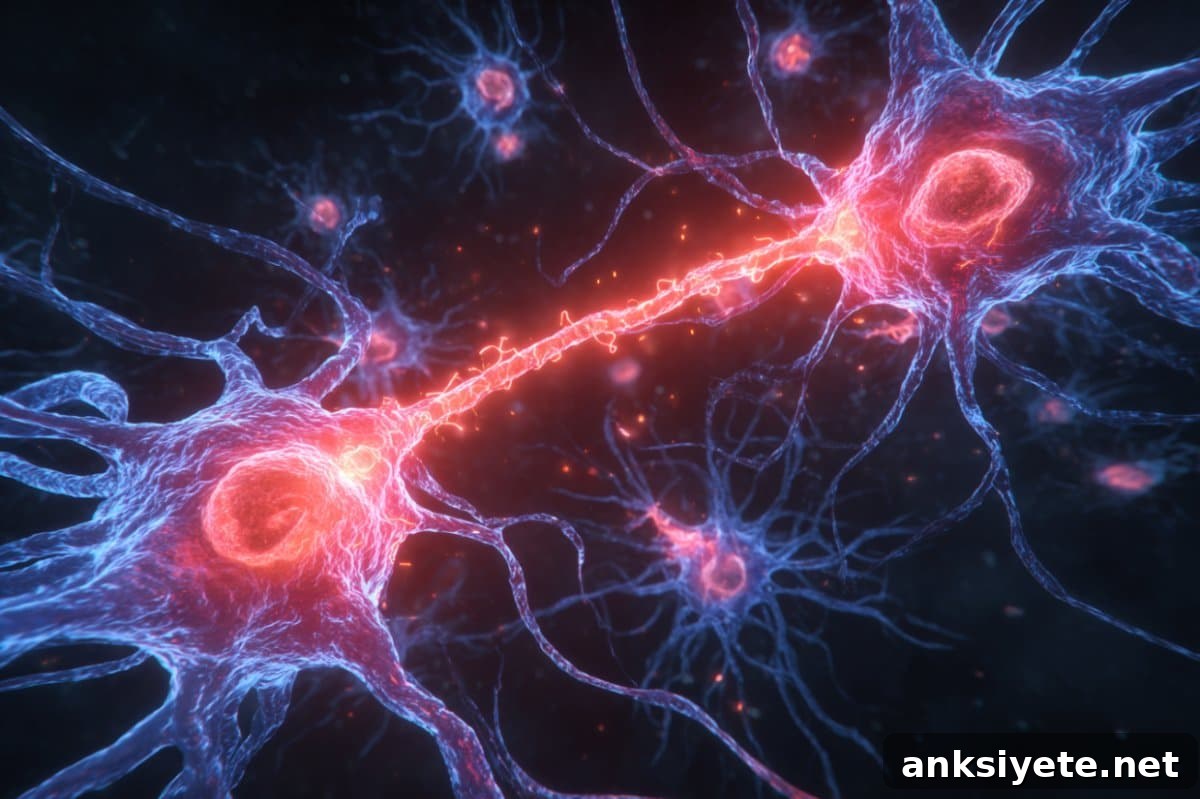
Summary: A new study shows that chemotherapy-induced nerve pain results from a stress response inside certain immune cells that sparks inflammation and damages nerves. Researchers discovered that activating the cellular stress sensor IRE1α in immune cells causes neurotoxicity and pain during chemotherapy, while blocking this pathway prevented both nerve injury and pain in mice.
Analysis of patients treated with chemotherapy confirmed the link: people with higher IRE1α activity in their blood cells were more likely to develop severe neuropathy. This finding points to a promising target for treatments that could protect cancer patients from one of the most painful side effects of life-saving chemotherapy.
Key Facts
- Root cause identified: Chemotherapy activates the IRE1α stress sensor in immune cells, initiating inflammation that injures peripheral nerves.
- Prevention demonstrated: Genetic deletion or pharmacological inhibition of IRE1α in mice prevented nerve inflammation, pain behaviors and structural nerve damage.
- Clinical correlation: Cancer patients with higher IRE1α activation in circulating leukocytes were more likely to develop clinically significant neuropathy.
Source: Wake Forest University
Wake Forest University School of Medicine, in collaboration with Weill Cornell Medicine, has identified a cellular mechanism that explains why many patients develop nerve damage after chemotherapy.
Their study demonstrates that paclitaxel and similar chemotherapy agents trigger mitochondrial stress and reactive oxygen species (ROS) in macrophages, provoking an endoplasmic reticulum (ER) stress response. That response hyperactivates the ER stress sensor IRE1α, reprogramming immune cells into an inflammatory state that drives neuroinflammation and peripheral neuropathy.
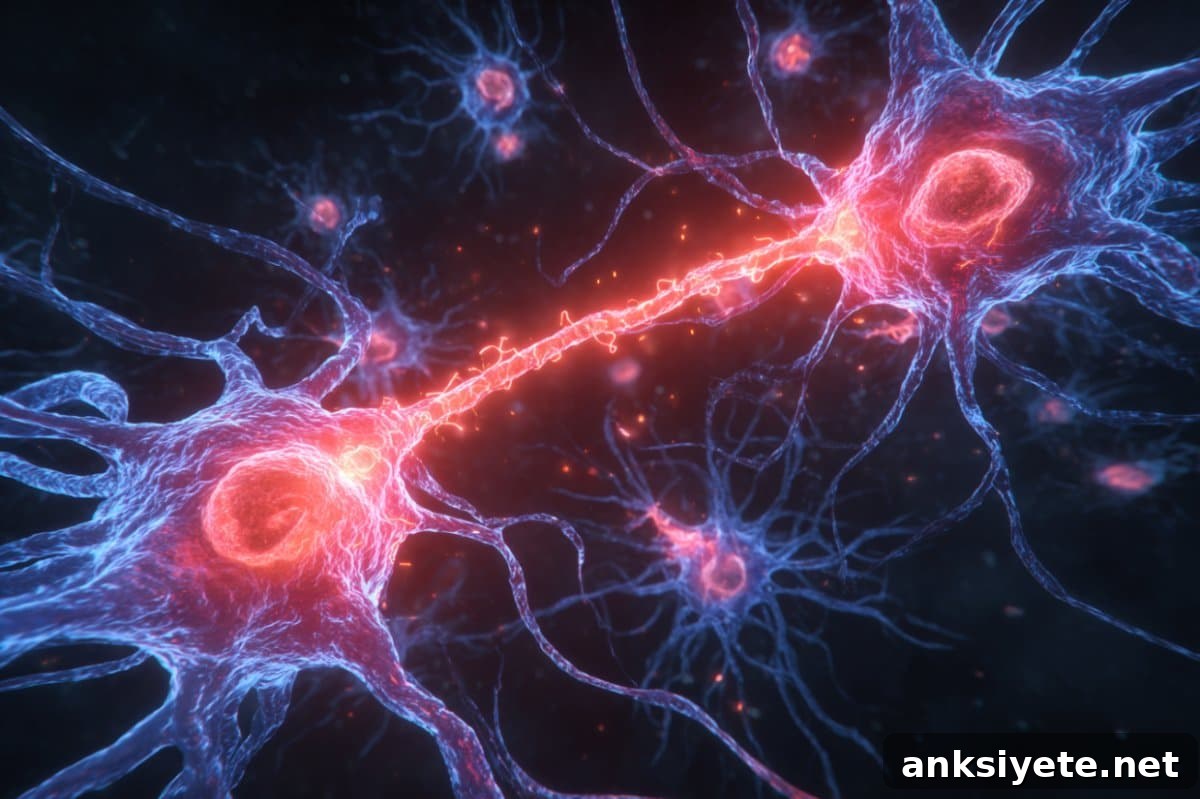
The study was published in Science Translational Medicine.
Chemotherapy-induced peripheral neuropathy (CIPN) is a frequent and often dose-limiting complication of cancer treatment, particularly with agents such as paclitaxel. CIPN produces numbness, tingling and burning pain in the hands and feet and can force clinicians to reduce or stop therapy. Up to half of patients receiving neurotoxic chemotherapy develop some degree of neuropathy, but the cellular drivers have been incompletely understood.
Using a validated mouse model that mirrors human CIPN, the investigators monitored how myeloid immune cells respond to systemic chemotherapy. They found that paclitaxel increases mitochondrial ROS in macrophages, which induces ER stress and activates IRE1α. Activated IRE1α then promotes production of inflammatory mediators—TNF-α, IL-1β, PGE2, IL-6 and others—that create a neurotoxic environment around sensory neurons in the dorsal root ganglia.
Crucially, deletion of IRE1α in leukocytes or treatment with a selective IRE1α inhibitor prevented the development of neuroinflammation, nerve injury and pain-related behaviors in mice. These interventions stopped the inflammatory reprogramming of macrophages and preserved neuronal function and structure in treated animals.
To connect these laboratory findings to patients, the team analyzed blood samples from people receiving chemotherapy for gynecological cancers at Atrium Health Wake Forest Baptist’s Comprehensive Cancer Center. They measured IRE1α activation in circulating leukocytes before and after treatment and tracked neuropathy symptoms. Patients with higher leukocyte IRE1α activation were more likely to develop moderate-to-severe CIPN, linking the animal model to human outcomes.
Key Findings
- Chemotherapy induces mitochondrial ROS that trigger ER stress and hyperactivate IRE1α in myeloid cells.
- IRE1α activation drives production of multiple inflammatory mediators that harm sensory neurons and cause pain.
- Blocking IRE1α prevents neuroinflammation and neuropathic pain in mice; elevated IRE1α activity in patient leukocytes correlates with CIPN risk and severity.
“Our research indicates that a stress response inside immune cells is a major contributor to chemotherapy-induced neuropathy,” said E. Alfonso Romero-Sandoval, M.D., Ph.D., professor of anesthesiology at Wake Forest University School of Medicine and corresponding author. “Targeting this pathway could protect patients from a disabling treatment complication and might also serve as a biomarker to identify those at greatest risk.”
The authors plan larger clinical studies to validate IRE1α activation as a predictive biomarker and to test whether inhibitors of this pathway can safely prevent or reduce CIPN in patients undergoing chemotherapy. They also intend to explore whether this strategy may apply to other forms of nerve pain. Notably, IRE1α inhibitors are already being evaluated in clinical trials for enhancing chemotherapy effects, which could accelerate translational efforts.
Funding: This work was supported by the National Cancer Institute, the National Institute of Neurological Disorders and Stroke, the U.S. Department of Defense and the Atrium Health Wake Forest Baptist Comprehensive Cancer Center.
Key Questions Answered:
A: Chemotherapy provokes mitochondrial ROS in immune cells, triggering ER stress and activation of the IRE1α sensor; that response drives inflammatory signals that injure peripheral nerves.
A: In mice, genetic loss or pharmacological inhibition of IRE1α blocked neuroinflammation and neuropathic pain. In patients, higher IRE1α activation in blood cells correlated with development and severity of CIPN.
A: Targeting leukocyte IRE1α may allow clinicians to prevent or reduce neuropathy without diminishing chemotherapy’s anti-cancer effects, improving quality of life and enabling patients to complete prescribed treatment regimens.
About this neurology and cancer research news
Author: Myra Wright
Source: Wake Forest University
Contact: Myra Wright – Wake Forest University
Image: The image is credited to Neuroscience News
Original Research: Closed access. “Leukocyte-intrinsic ER stress responses contribute to chemotherapy-induced peripheral neuropathy” by E. Alfonso Romero-Sandoval et al., Science Translational Medicine. DOI: 10.1126/scitranslmed.ady5288
Abstract (condensed)
Chemotherapy-induced peripheral neuropathy (CIPN) is a common, dose-limiting complication of paclitaxel and related agents. This study demonstrates that paclitaxel induces mitochondrial ROS that provoke ER stress and hyperactivate the ER stress sensor IRE1α in circulating and dorsal root ganglion–resident myeloid cells. IRE1α activation reprograms macrophages toward an inflammatory phenotype marked by increased TNF-α, IL-1β, PGE2, IL-6 and chemokines, generating a neuroinflammatory environment that promotes sensory neuron dysfunction and pain. Genetic ablation of IRE1α in leukocytes or treatment with a selective IRE1α inhibitor prevented dorsal root ganglion inflammation and behavioral signs of CIPN in mice. Clinical data from patients with gynecological cancers showed that higher IRE1α activation in circulating leukocytes was associated with increased risk and severity of CIPN. These results identify leukocyte-intrinsic IRE1α as a central mediator of chemotherapy-induced neurotoxicity and support development of therapies that target its dysregulated activation to mitigate CIPN in patients receiving paclitaxel.