
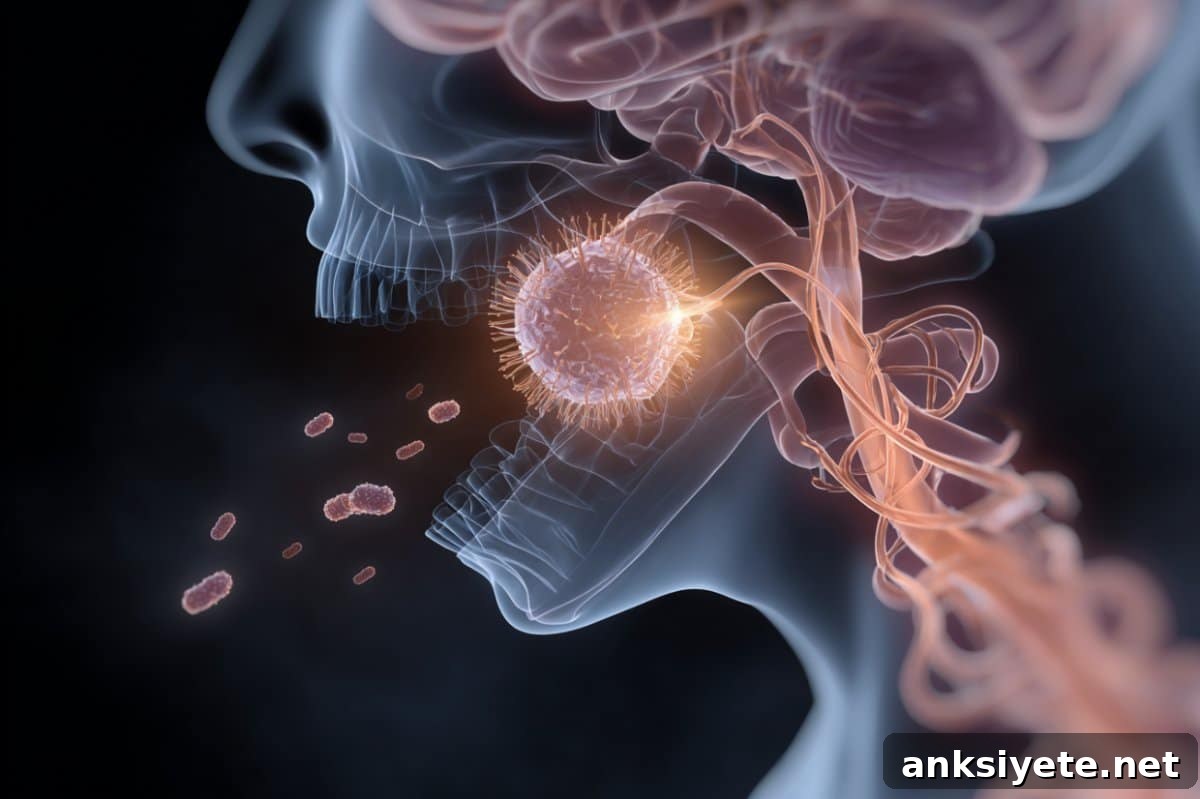
Summary: Researchers have discovered a direct connection between oral bacteria and Parkinson’s disease. The bacterium Streptococcus mutans—commonly associated with dental cavities—can colonize the gut and produce metabolites that travel through the body to the brain.
Those metabolites, especially imidazole propionate (ImP) generated via the enzyme urocanate reductase (UrdA), trigger neuronal loss, neuroinflammation, and motor deficits that resemble Parkinson’s disease. The work suggests the oral–gut microbiome is a previously underappreciated contributor to Parkinson’s pathology and a potential target for new prevention and treatment strategies.
Key Facts
- Oral–Gut–Brain Link: Streptococcus mutans can move from the mouth into the gut and influence brain health via the gut–brain axis.
- Toxic Metabolite: Imidazole propionate (ImP), produced by UrdA in S. mutans, damages dopaminergic neurons and accelerates Parkinson’s-like changes.
- Therapeutic Potential: Inhibiting mTORC1 signaling reduced neuroinflammation, neuronal loss, and motor symptoms in preclinical models.
Source: POSTECH
Daily oral care may matter beyond teeth. Korean scientists have provided strong evidence that certain oral bacteria, once established in the gut, can contribute to Parkinson’s disease by producing metabolites that reach and affect the brain.
A multidisciplinary team led by Professor Ara Koh and doctoral candidate Hyunji Park from POSTECH’s Department of Life Sciences, together with researchers from Sungkyunkwan University School of Medicine and Seoul National University College of Medicine, investigated microbial changes in patients with Parkinson’s disease and tested causal mechanisms in animal models.
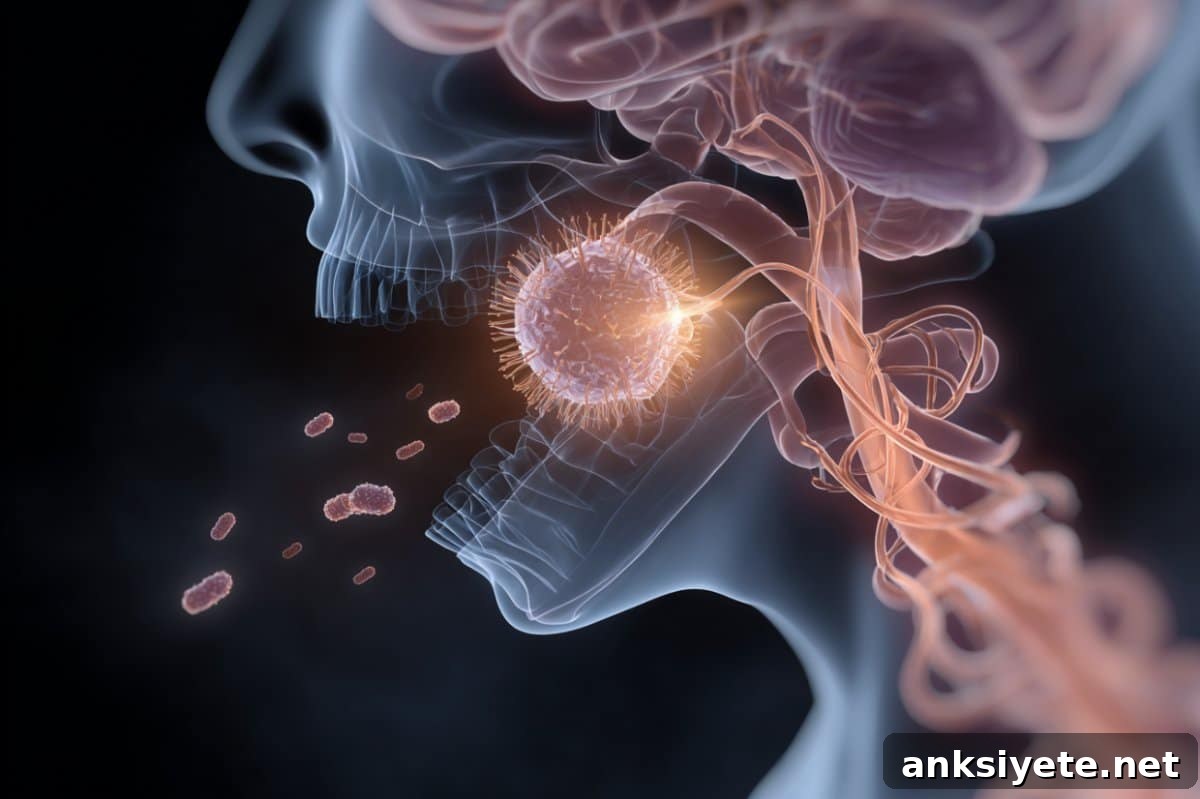
Their analysis found an increased presence of Streptococcus mutans in the gut microbiome of Parkinson’s patients compared with controls. Importantly, S. mutans carries the enzyme urocanate reductase (UrdA), which produces the metabolite imidazole propionate (ImP). The team detected elevated levels of both UrdA and ImP in the gut and plasma of affected individuals.
To test causality, the researchers colonized mice with S. mutans strains carrying UrdA or introduced Escherichia coli engineered to express UrdA. These manipulations raised ImP concentrations in the animals’ blood and brain tissue and produced classical Parkinson’s-like features: selective loss of dopaminergic neurons in the midbrain, activation of astrocytes and microglia (astrogliosis and microgliosis), motor impairment, and increased aggregation of alpha-synuclein, a protein central to Parkinson’s pathology.
Administering ImP alone replicated many of these disease-associated changes, showing that the metabolite itself is sufficient to drive neuronal damage. Mechanistic studies revealed that mTORC1 signaling is required for both S. mutans– and ImP-induced pathology. Pharmacological inhibition of mTORC1 in mice markedly reduced neuroinflammation, neuronal loss, alpha-synuclein aggregation, and motor dysfunction, indicating that blocking this pathway can blunt the downstream effects of the microbial metabolite.
Taken together, these results identify a specific microbial metabolite—ImP—as a direct mediator of gut-to-brain pathology in Parkinson’s disease. The data point to an oral–gut microbial axis in which an oral bacterium colonizes the gut, produces a bioactive compound, and triggers molecular and cellular events in the brain that culminate in neurodegeneration.
“Our study provides a mechanistic understanding of how oral microbes in the gut can influence the brain and contribute to the development of Parkinson’s disease,” said Professor Ara Koh. “These findings highlight the potential of targeting the gut microbiota and its metabolites as a novel therapeutic approach for Parkinson’s.”
Funding: The research received support from the Samsung Research Funding & Incubation Center of Samsung Electronics, the Mid-Career Researcher Program of the Ministry of Science and ICT, the Microbiome Core Research Support Center, and the Biomedical Technology Development Program.
About this Parkinson’s disease research news
Author: Yung-Eui Kang
Source: POSTECH
Contact: Yung-Eui Kang – POSTECH
Image: Image credited to Neuroscience News
Original Research: Open access. Article title: “Gut microbial production of imidazole propionate drives Parkinson’s pathologies” by Ara Koh et al., published in Nature Communications. The study details the UrdA–ImP axis and its role in driving Parkinson’s-like changes in preclinical models.
Abstract
Gut microbial production of imidazole propionate drives Parkinson’s pathologies
Parkinson’s disease is marked by selective degeneration of midbrain dopaminergic neurons and aggregation of α-synuclein. Emerging evidence implicates the gut microbiome in Parkinson’s, with microbial metabolites proposed as pathological mediators. This study identifies elevated Streptococcus mutans and its enzyme urocanate reductase (UrdA)—which produces imidazole propionate (ImP)—in the gut microbiome of patients with Parkinson’s, together with increased plasma ImP.
Colonizing mice with S. mutans harboring UrdA, or with Escherichia coli engineered to express UrdA, raised systemic and brain ImP levels and induced Parkinson’s-like changes, including dopaminergic neuronal loss, reactive astrocyte and microglial responses, motor deficits, and worsened α-synuclein pathology. Administration of ImP alone reproduced key disease features, supporting the UrdA–ImP axis as a microbial driver of Parkinson’s pathology. Mechanistically, activation of mTORC1 is essential for both S. mutans– and ImP-induced neurodegeneration. These findings nominate microbial ImP as a direct pathological mediator in the gut–brain axis of Parkinson’s disease.