
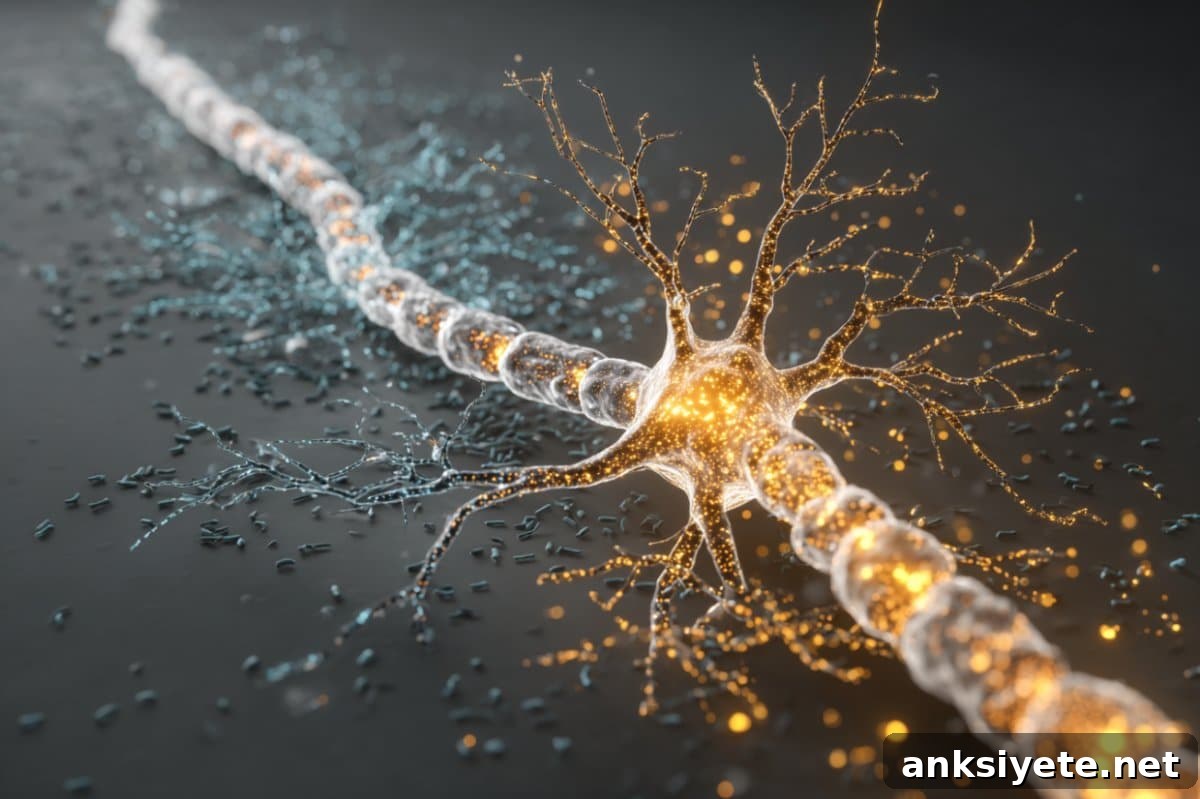
Summary: Scientists have discovered a promising therapeutic approach for neurodegenerative diseases by increasing levels of a protein called PI31. PI31 helps deliver proteasomes—the cell’s protein-degrading machines—to synapses, where they clear damaged or unwanted proteins. In fruit fly and mouse models, restoring PI31 preserved synaptic function, prevented neuronal degeneration, reversed motor defects, and in some cases extended lifespan by nearly fourfold.
These results challenge the long-standing amyloid hypothesis, suggesting that visible protein aggregates may be downstream consequences of failed protein clearance rather than the primary cause of brain decline. By targeting the mechanisms that maintain synaptic protein quality control, this work opens new avenues for therapies aimed at early synaptic dysfunction in conditions such as Alzheimer’s disease, Parkinson’s disease, and age-related cognitive decline.
Key Facts
- PI31 role: Loads proteasomes onto cellular transport machinery and helps assemble them at synapses so damaged proteins can be degraded.
- Therapeutic potential: Increasing PI31 levels restored proteasome transport, prevented degeneration, and rescued motor and health deficits in model organisms.
- New paradigm: Protein plaques may be symptoms of disrupted proteasome transport and synaptic failure, not the initial cause of neurodegeneration.
Source: Rockefeller University
Synaptic breakdown as an early feature of neurodegeneration
One of the earliest and most consistent features across neurodegenerative diseases is a breakdown in neuronal communication. Long before neurons die, the systems that clear damaged or misfolded proteins at synapses begin to fail. Proteasomes must travel long distances from the cell body to nerve terminals where they remove protein waste and maintain synaptic function. When this transport fails, protein waste accumulates, synaptic signaling falters, and cognitive and motor functions progressively decline.
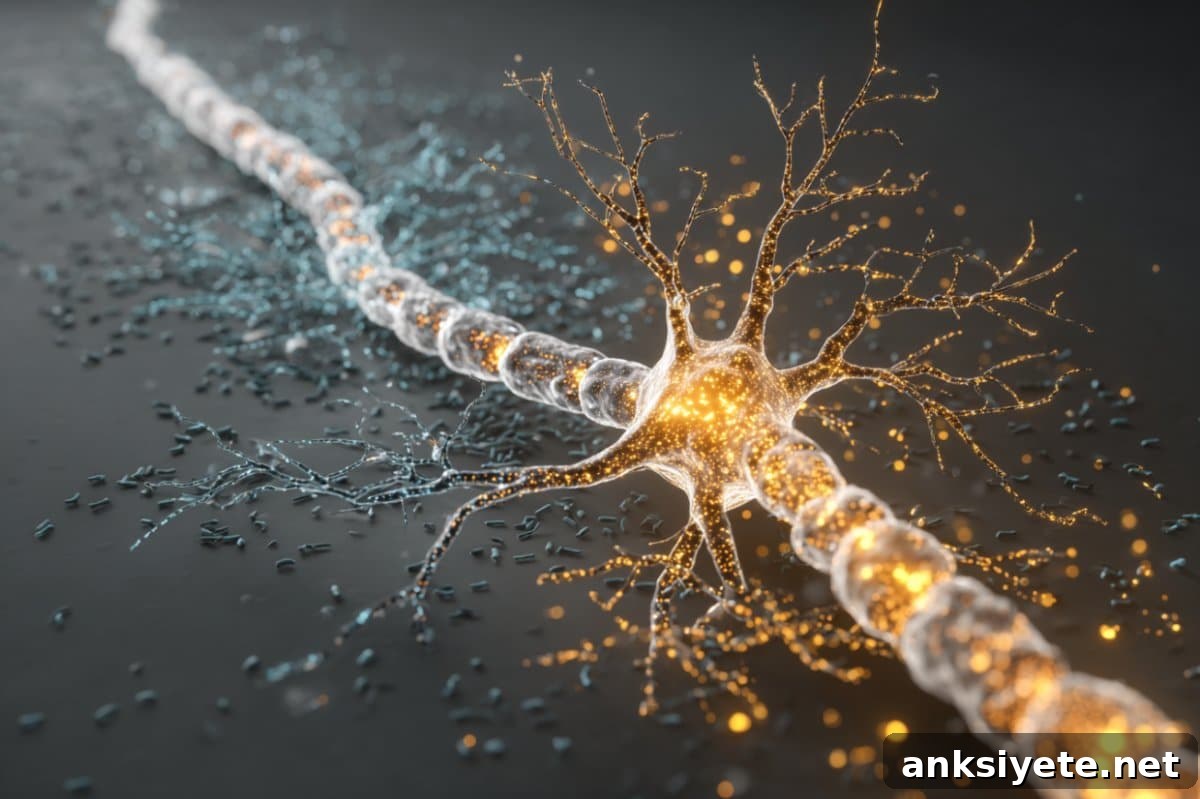
A new study published in PNAS identifies a strategy to prevent unwanted proteins from clogging synapses and eventually forming the larger protein aggregates observed in diseased brains. The researchers focused on PI31, a protein that functions as an adaptor to load proteasomes onto transport motors and helps reassemble them at synapses. Loss or reduction of PI31 impairs proteasome delivery, allowing damaged proteins to build up and form aggregates.
Earlier work from the same laboratory suggested that failure to deliver proteasomes to synapses is an initiating event in neurodegeneration. This insight reframes conventional thinking: if plaques and tangles are downstream effects of impaired protein clearance, then therapies that target plaques alone may arrive too late. Instead, preserving proteasome transport and synaptic protein quality control may prevent the cascade that leads to widespread neuronal loss.
Amyloid plaques: cause or symptom?
The amyloid hypothesis proposed that aggregates such as beta-amyloid plaques and tau tangles drive neuronal death. But repeated clinical setbacks from therapies that directly target these aggregates have prompted reevaluation. The current study supports the idea that aggregates are harmful but likely represent a later stage of disease—a visible sign that the underlying cleanup and transport systems have already failed. Restoring those systems early could therefore be more effective than attempting to remove plaques after they form.
Testing PI31 as a therapeutic strategy
To test whether boosting PI31 levels can prevent neurodegeneration, the researchers used models of a rare genetic disorder caused by mutations in the FBXO7 gene. FBXO7 mutations produce an early-onset, Parkinson’s-like syndrome in humans and are associated with reductions in PI31 levels. In fruit flies, inactivating the FBXO7 equivalent produced severe motor impairments and disrupted proteasome transport. Adding extra copies of PI31 largely reversed these defects and restored normal proteasome movement.
In FBXO7-deficient mice, modest increases in PI31 similarly suppressed neuronal degeneration, preserved motor function, and improved overall health. In several cases the mice lived much longer, with lifespan extensions approaching fourfold compared to untreated animals. Elevating PI31 also reduced abnormal tau accumulation, a hallmark of Alzheimer’s pathology.
These results demonstrate that overexpressing PI31 can keep proteasomes on track and prevent many hallmarks of neurodegeneration in mammalian and insect models. The degree of rescue observed in mice was notable, suggesting that enhancing proteasome transport and assembly at synapses is a powerful means to preserve neuronal function.
Next steps include testing whether PI31 overexpression can preserve cognition in aging mice and determining the most promising paths toward preclinical development. A recent preprint from the research team shows that rare human mutations in the PI31 gene are linked to a spectrum of neurodegenerative conditions, supporting the relevance of PI31-targeted approaches for patients with FBXO7 or PI31 deficiencies. These rare disorders could provide an initial clinical target while researchers evaluate broader applications to common age-related diseases.
Ultimately, lessons learned by treating genetically defined conditions tied to PI31 may inform strategies to slow cognitive decline with aging and address more prevalent disorders such as Alzheimer’s disease. By focusing on early synaptic maintenance—keeping proteasomes moving and clearing protein waste—this research points toward a new therapeutic paradigm that targets the roots of neuronal dysfunction rather than its late-stage manifestations.
About this neuroscience research news
Author: Katherine Fenz
Source: Rockefeller University
Contact: Katherine Fenz – Rockefeller University
Image: The image is credited to Neuroscience News
Original Research: The findings will appear in PNAS