
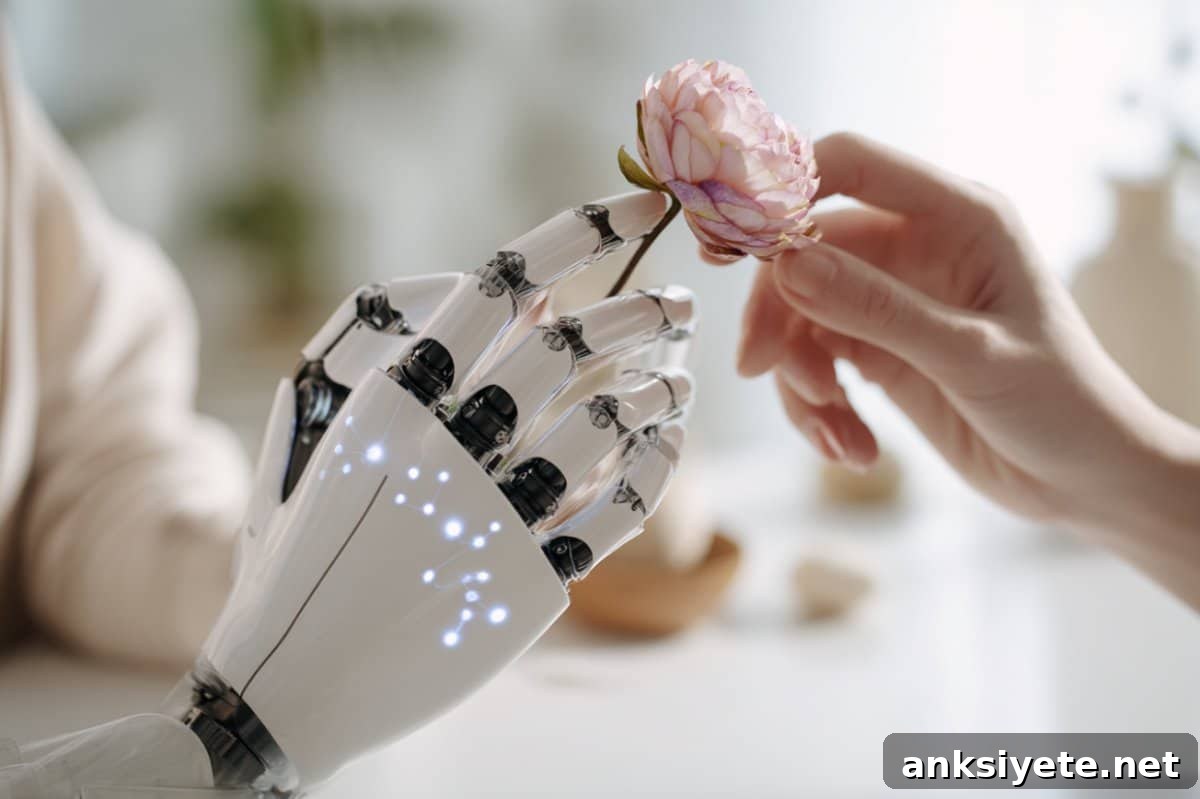
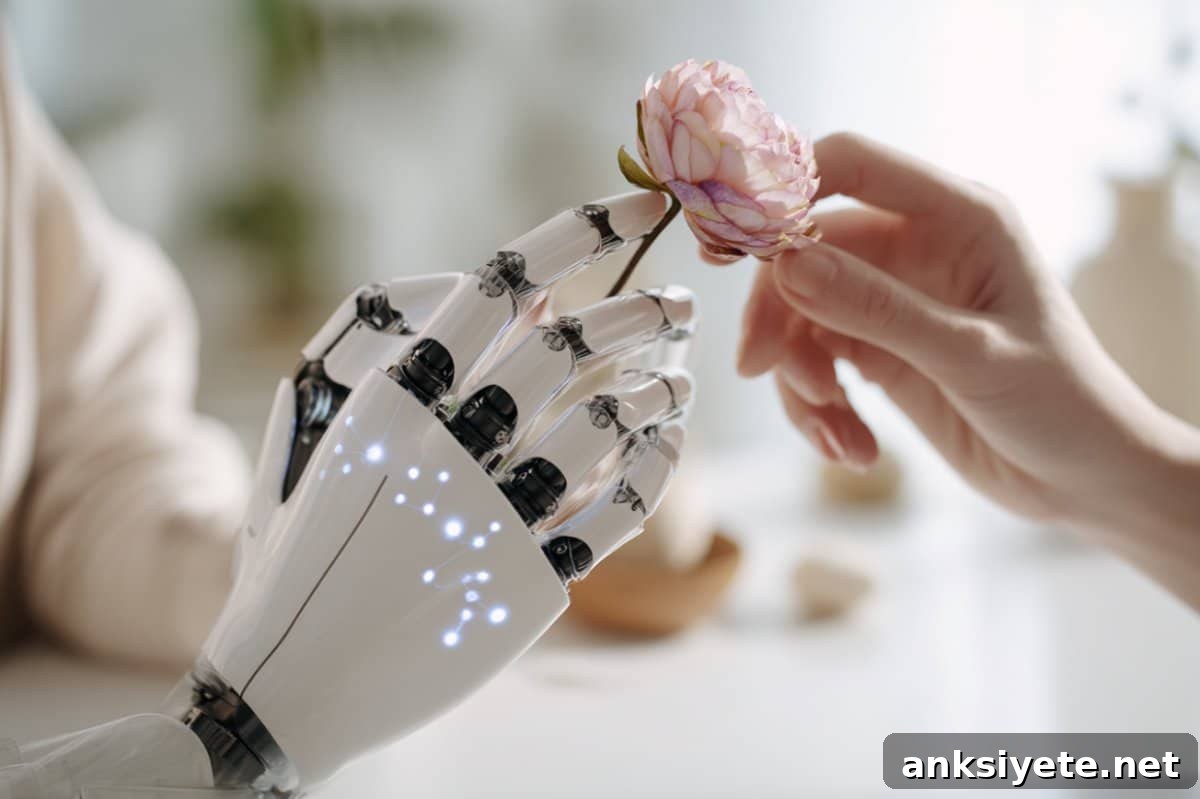
Summary: A next-generation neuroprosthetic hand that restores a realistic sense of touch is entering a pivotal home-use clinical trial. The iSens system combines implanted electrodes and an implanted controller to decode muscle intent and encode fingertip sensations, allowing users to experience touch and control that make the prosthesis feel like part of the body.
Twelve participants will alternate living with their usual prosthesis and the sensory-enabled iSens arm to measure how restored touch and improved motor control each contribute to real-world function and quality of life. Supported by a major federal award, this study aims to address a central challenge in translating lifelike, touch-enabled prosthetics into everyday use.
Key Facts
- Bidirectional interface: iSens both decodes movement intent and encodes touch using implanted electrodes connected to an implanted controller.
- Home-use crossover: Participants will use their own prosthesis and the iSens system at home, then switch, enabling within-subject comparison of daily outcomes.
- Mechanism split-test: A final phase isolates sensation-only versus advanced motor control-only configurations to determine which feature most improves life quality.
Source: Case Western Reserve
Case Western Reserve University researchers have developed technology that can restore a sense of touch, helping a prosthetic hand feel like an extension of the user rather than an artificial tool.
This technology is advancing toward commercialization through a controlled clinical trial that will recruit 12 people with upper-limb amputation to compare standard prosthetic devices with the sensory-enabled, neural-controlled iSens prostheses developed at the university since 2015.
Researchers at Case Western Reserve and the Louis Stokes Cleveland Department of Veterans Affairs Medical Center (Cleveland VA) received a $9.9 million award from the U.S. Department of Defense Congressionally Directed Medical Research Program to support the trial.
“People with upper-limb loss deserve better technologies that can improve daily life,” said Emily Graczyk, assistant professor of biomedical engineering at Case Western Reserve and lead investigator on the project. Graczyk is also an investigator at the Cleveland VA.
The neuroprosthesis
The neuroprosthesis, named iSens (implanted Somatosensory Electrical Neurostimulation and Sensing), uses implanted electrodes in the residual limb to detect muscle signals for intuitive control and to stimulate peripheral nerves to relay fingertip sensations to the brain. An implanted neural control device interfaces with the prosthetic hand via Bluetooth, enabling bidirectional communication between the user’s nervous system and the prosthesis.
This sensory-enabled neuroprosthetic approach was highlighted in national media coverage in 2023 and has been refined through years of laboratory research and clinical experimentation.
Enrollment for the trial is planned to begin early next year.
“This significant funding allows us to complete a clinical trial that might not attract venture capital at this stage,” said Dustin Tyler, the Arthur S. Holden Professor of Biomedical Engineering and co-investigator. “The grant helps remove a major barrier to translation.”
Tyler directs Case Western Reserve’s Human Fusions Institute, which focuses on advancing human-centered, ethically driven technologies that expand human capabilities.
The university previously received an eight-year, $14 million grant from the Defense Advanced Research Projects Agency (DARPA) to support foundational neuroprosthetics research. Tyler and Graczyk led development of the stimulation strategies and implant techniques that make reliable sensory feedback possible.
Restoring touch has proven to be transformative: participants in earlier studies reported that tactile feedback increased prosthesis use, improved confidence in handling objects, and strengthened feelings of body ownership and social connectedness.
“A sense of touch can improve many aspects of quality of life,” said Graczyk. “It influences independence, self-image, emotional connection with others, and everyday interactions.”
The clinical trial
This four-year trial will enroll a dozen upper-limb amputees who currently use prosthetic devices. The study has three sequential parts that each participant will complete over roughly 18 months:
- Part one: A three-month baseline phase documents how participants use their current prostheses. Participants then undergo outpatient implantation of electrodes and controller modules. Over three to six months of laboratory visits, the research team configures the neuroprosthetic system: a personalized controller maps muscle signals to intuitive hand movements, and nerve stimulation is calibrated to convey tactile sensations from prosthetic fingertip sensors to the user’s nervous system.
- Part two: Participants will take either their usual prosthesis or the sensory-enabled iSens prosthesis home for extended use, completing regular surveys and monthly lab visits to document real-world use and functional outcomes. After this period they will swap devices so each person experiences both conditions.
- Part three: In the final phase participants are randomized to use iSens with only sensory feedback enabled or with only the advanced motor-control features enabled; after a period they will switch to the opposite configuration. This split-test isolates the relative contributions of sensation and control to daily function and quality of life.
“We expect the neuroprosthesis to improve life for people with amputation,” said Graczyk, “but the trial is designed to determine whether restored sensation, enhanced control, or the combination of both provides the greatest benefit.”
Collaborators
Key collaborators at Case Western Reserve include Hamid Charkhkar, Ronald Triolo and Ming Wang. Clinical partners at Cleveland medical centers include Kevin Malone, J. Robert Anderson, Kyle Chepla and Gilles Pinault. Linda Resnik from Brown University contributes expertise in health services and outcomes research.
To participate
For information about participating in the clinical trial, contact study coordinator Jessica Jarvela at [email protected].
About this neuroprosthetics and neurotech research news
Author: Diana Steele
Source: Case Western Reserve
Contact: Diana Steele – Case Western Reserve
Image: The image is credited to Neuroscience News