
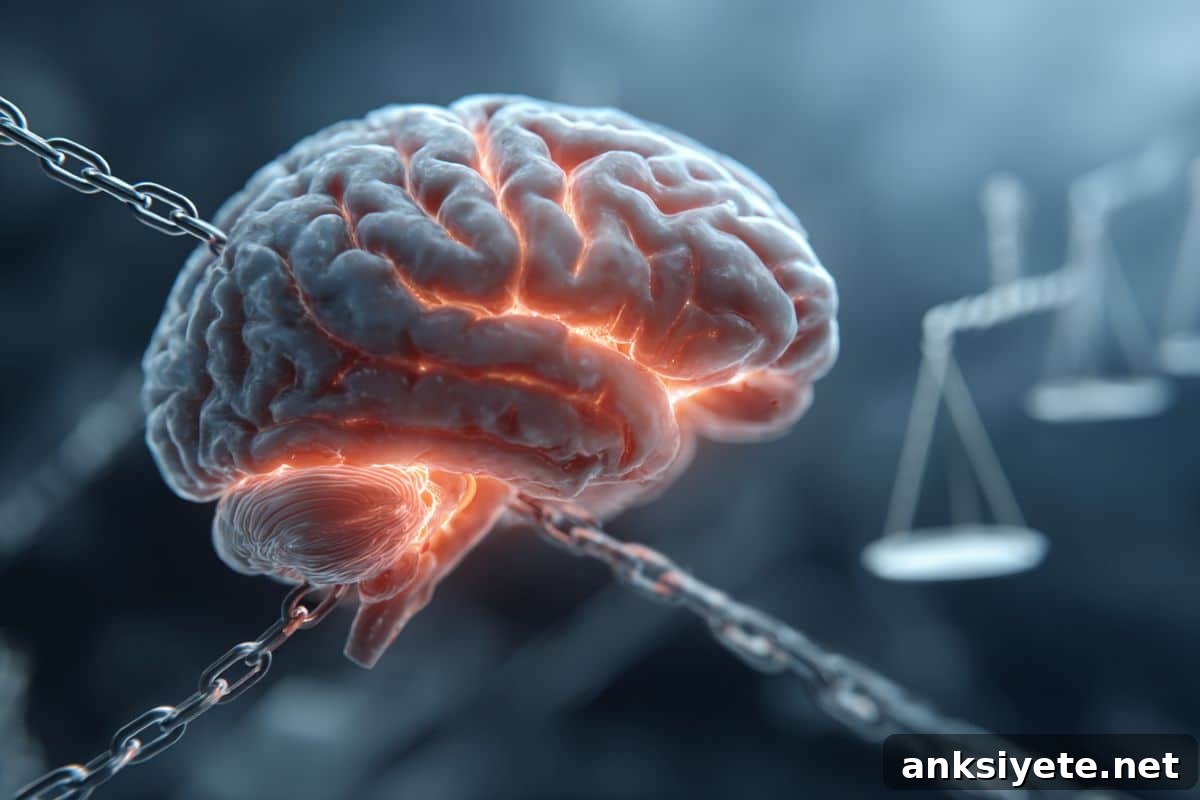
Summary: Chronic pain affects millions worldwide, and current opioid treatments carry high risks of dependence and serious side effects. New research has identified a specific group of neurons in the amygdala that appear to drive the unpleasant, emotional dimension of pain. This discovery is guiding efforts to develop non-opioid drugs that could reduce suffering without eliminating normal sensation.
Backed by a $12 million NIH U19 grant, an interdisciplinary team is designing small molecules that selectively target those amygdala neurons. These efforts are in the preclinical stage, but they represent a promising alternative approach to managing chronic pain and decreasing reliance on opioids.
Key Facts
- Target Identified: A distinct population of neurons in the amygdala contributes to the emotional unpleasantness of pain.
- Non-Opioid Strategy: Lead compounds aim to block the aversive quality of pain while preserving protective sensory awareness.
- Major Funding: A $12 million NIH U19 award supports preclinical development and collaborative research toward an investigational drug candidate.
Source: UNC
Chronic pain reshapes lives in profound ways. Matt Mauck, MD, PhD, an anesthesiologist and pain medicine specialist at the UNC Hospitals Pain Management Center, observes the clinical burden of long-term pain every day.
“Chronic pain harms quality of life, disrupts relationships, interferes with daily activities and sleep, and commonly brings fatigue and low mood,” Mauck said. “There is a clear need for new therapies that relieve suffering while minimizing harmful side effects.”
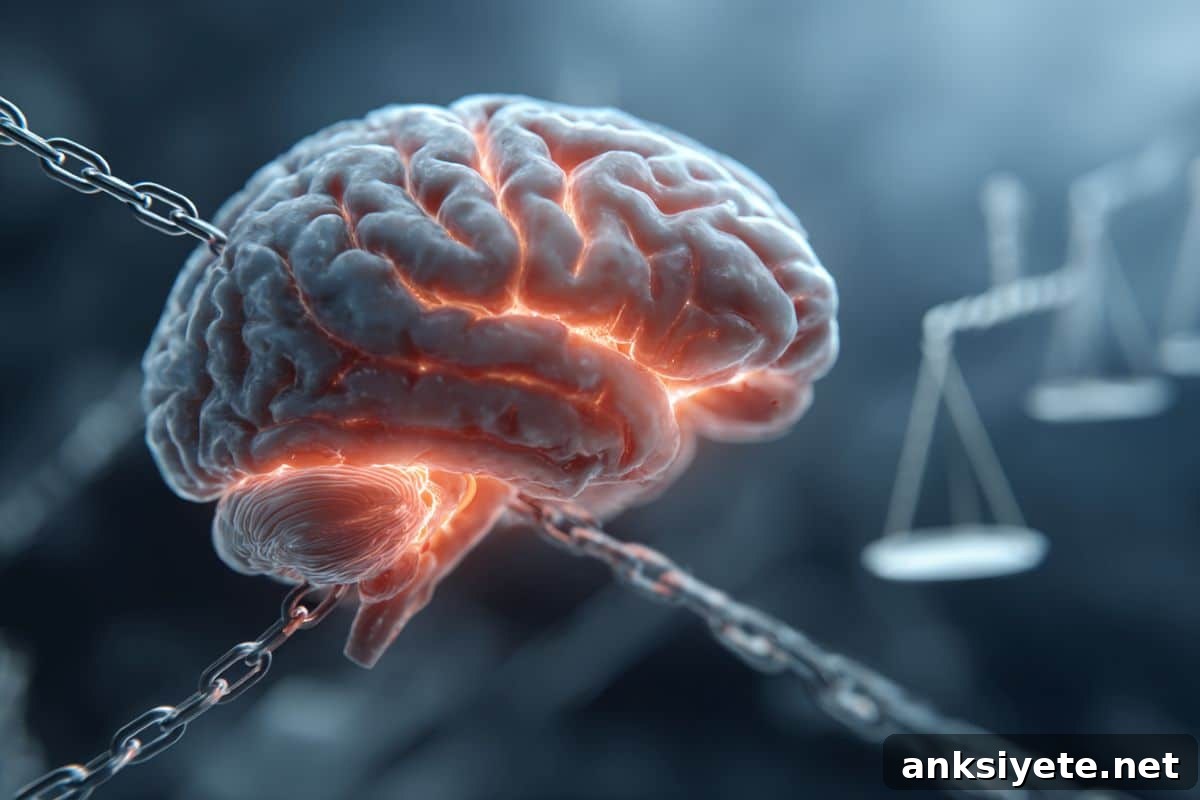
Clinicians use a range of evidence-based strategies—pharmacologic treatments, behavioral therapies, injections, and interventional procedures—to manage pain. Yet for many people with chronic pain, these options do not fully restore function or quality of life. Opioid medications such as oxycodone and tramadol can provide short-term relief but carry well-known risks, including tolerance, dependence, and withdrawal when use continues long term.
Researchers led by Gregory Scherrer, PharmD, PhD, are pursuing a different path: developing medications that lessen the emotional suffering caused by pain without activating reward circuits that drive addiction. Their goal is to create compounds that dissociate pain’s unpleasantness from its protective sensory function.
“The fundamental problem is that pain is unpleasant,” Scherrer said. “If we can specifically target the neurons that encode that aversive quality, patients might experience less suffering while still retaining the ability to sense and respond to injury.” Scherrer is an associate professor in the UNC Department of Cell Biology and Physiology and affiliated with the UNC Neuroscience Center and Department of Pharmacology.
The Purpose of Pain
Pain evolved as a vital protective mechanism: it signals harm or potential danger to tissues and triggers behavioral responses to avoid further injury. Nociceptors in peripheral nerves detect damaging stimuli and relay that information through the spinal cord to brain regions that construct the conscious experience of pain. That experience includes both a sensory component (intensity, location) and an emotional component (how unpleasant it feels).
In acute situations, pain serves its adaptive purpose. In chronic pain—commonly defined as pain lasting six months or more after an injury—the aversive signal persists beyond its usefulness, disrupting daily life. Existing medications have struggled to separate the beneficial sensory detection of injury from the harmful, ongoing emotional distress that accompanies chronic pain.
Some interventions, such as local anesthetics, can eliminate all sensation in a region, preventing both harmful and protective signals. Opioids, by contrast, relieve pain partly by engaging brain reward systems, which can produce euphoria and increase the risk of misuse and dependence when used for long periods.
A New Way to Target Pain
Scherrer’s laboratory focused on identifying the precise brain cells that signal pain’s unpleasantness. In a pivotal 2019 study published in Science, his team located a distinct set of neurons in the amygdala—a small, almond-shaped brain structure involved in emotion and threat processing—that were consistently active during painful experiences.
Using miniature head-mounted microscopes in mouse models, the researchers monitored neural activity across tens of thousands of amygdala neurons and identified a specific subset that reliably “lit up” with pain. That discovery suggested an opportunity: if those neurons could be selectively modulated, it might be possible to reduce suffering without abolishing sensory awareness.
Subsequent work supported by the NIH HEAL Initiative used RNA sequencing to profile the molecular receptors expressed by those amygdala neurons. Identifying these receptors provided potential “docking stations” for small molecules—ligands that could modulate the neurons’ activity in a targeted way.
Now in Preclinical Development
In March, Scherrer’s team received a $12 million U19 cooperative grant from the NIH to accelerate translation of these findings. The award supports a multi-institutional collaboration—including investigators at UNC, Stanford University, and the University of California, San Francisco—to develop small-molecule compounds with favorable drug-like properties that engage the identified receptors in both mouse models and human tissue.
Medicinal chemists and translational pharmacologists on the team will optimize lead compounds for potency, selectivity, and safety. Over the next several years, their stated objective is to produce a drug candidate suitable for filing an Investigational New Drug (IND) application with the U.S. Food and Drug Administration and to move into early clinical testing.
“Our aim is to develop a new class of non-opioid pain therapies that reduce the unpleasantness of chronic pain while preserving protective sensation,” Scherrer said. “If successful, this approach could offer an important alternative to opioids and improve the lives of people living with persistent pain.”
About this research
Author: Kendall Daniels Rovinsky
Source: UNC
Contact: Kendall Daniels Rovinsky – UNC
Image: The image is credited to Neuroscience News