
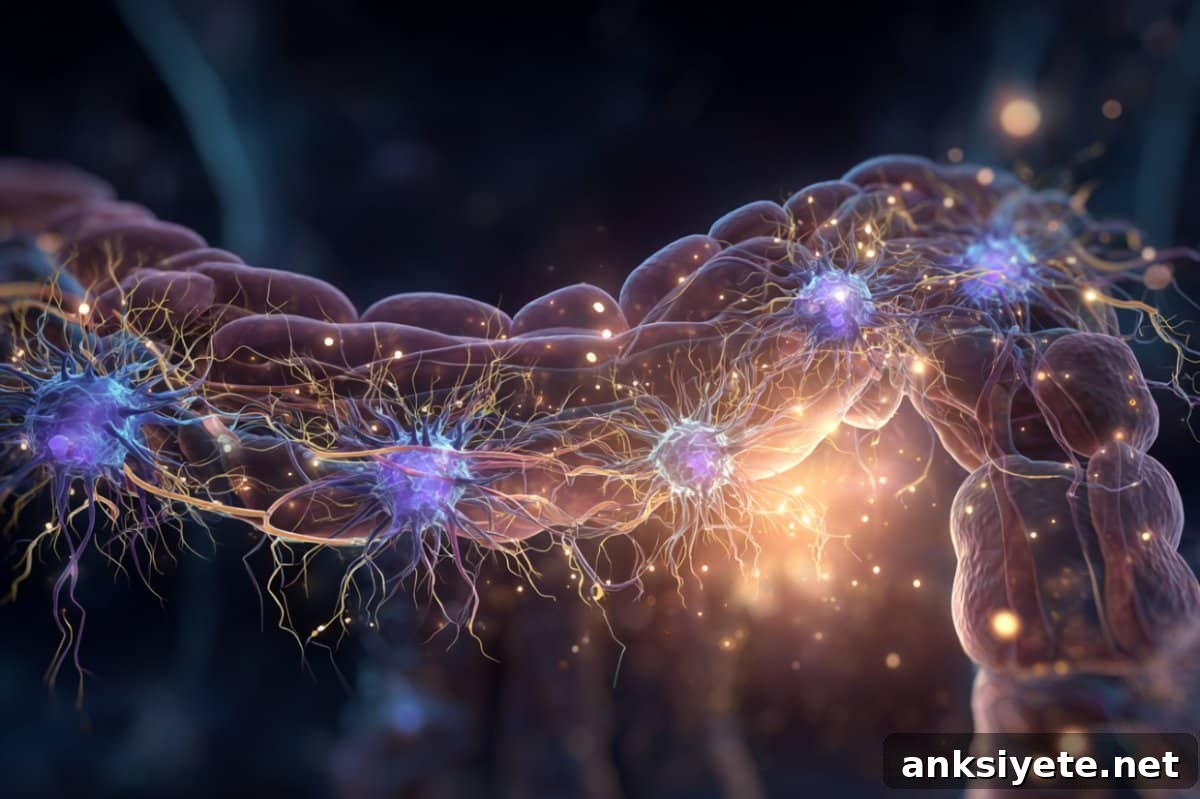
Summary: Researchers at Weill Cornell Medicine have identified a direct neuro-immune pathway in the gut in which enteric neurons produce the neuropeptide adrenomedullin 2 (ADM2). ADM2 stimulates group 2 innate lymphoid cells (ILC2s) to release amphiregulin, a factor that promotes tissue repair. In preclinical models, ADM2 expanded protective ILC2 populations and improved recovery from intestinal inflammation, while loss of ADM2 signaling reduced these cells and worsened disease. These results highlight the enteric nervous system as a promising target for new therapies for inflammatory bowel disease (IBD).
The study shows that gut neurons do more than regulate digestion and blood flow: they actively shape immune responses during and after inflammation. By producing ADM2, enteric neurons help mobilize tissue-protective ILC2 functions that limit damage and support healing in the intestinal lining.
Key Facts:
- Neuro-immune communication: Enteric neurons release ADM2, directly influencing ILC2 behavior.
- Tissue repair: ADM2 stimulates ILC2s to produce amphiregulin, a cytokine that supports epithelial repair.
- Therapeutic potential: Restoring or delivering ADM2 could enhance natural healing responses in IBD.
Source: Weill Cornell Medicine
Neurons in the gut produce a molecule that plays a pivotal role in shaping the gut’s immune response during and after inflammation, according to new research from Weill Cornell Medicine investigators.
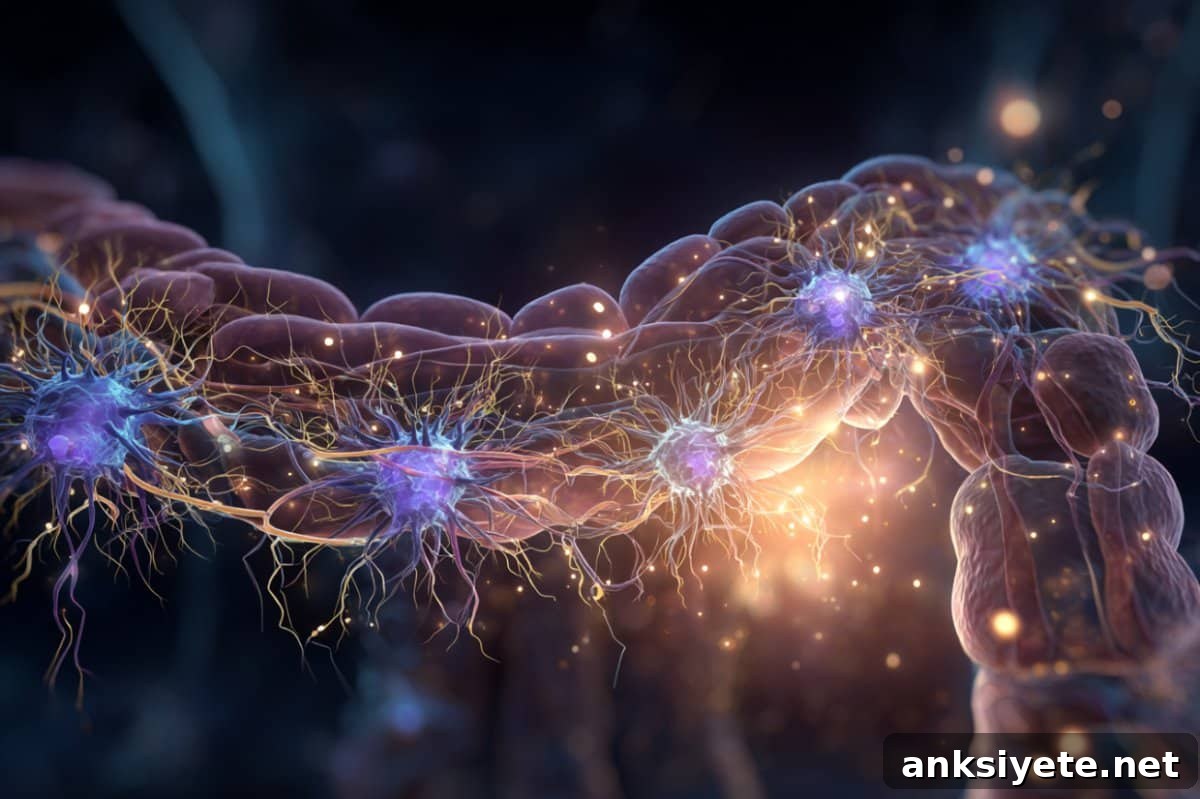
The enteric nervous system contains hundreds of millions of neurons and is often called the body’s “second brain.” Beyond coordinating motility, secretion, and blood flow in the gut, this neural network also communicates with local immune cells. Until now, the contribution of enteric neurons to directing inflammation resolution and tissue repair was not well understood.
Published August 15 in Nature Immunology, the study focused on ILC2s, a subset of innate lymphoid cells that reside in the gut mucosa. Previous work from the team showed that ILC2s are a major source of amphiregulin, a growth factor important for tissue healing, and that neural signals can modulate ILC2 functions. The current research identifies ADM2 as a key neuronal signal that promotes the tissue-protective arm of ILC2 responses.
Using genetic models and experiments that specifically disrupted ADM2 signaling, the investigators found that loss of ADM2 or its receptor components diminished amphiregulin-producing ILC2s and increased vulnerability to intestinal damage and inflammation. Conversely, administering recombinant ADM2 expanded AREG-producing ILC2s and reduced disease severity in a mouse model of inflammatory bowel disease. These results demonstrate that the ADM2–ILC2 axis supports epithelial repair after injury and limits ongoing inflammation.
To assess relevance in humans, the researchers analyzed tissue and blood samples from the Jill Roberts Institute for Research in Inflammatory Bowel Disease live cell bank. They observed higher ADM2 expression in patients with IBD compared with controls, and human ILC2s responded to ADM2 by upregulating amphiregulin production. This translational evidence supports the concept that ADM2-driven neuro-immune communication exists in people and could be leveraged therapeutically.
“The enteric nervous system has long been overlooked in efforts to resolve intestinal inflammation,” said Dr. Jazib Uddin, lead author and NIH Ruth L. Kirschstein postdoctoral fellow at Weill Cornell Medicine. “Our work reveals a previously unrecognized neuro-immune mechanism that helps coordinate tissue healing in the gut.”
Senior author Dr. David Artis, director of the Jill Roberts Institute for Research in Inflammatory Bowel Disease, emphasized the translational potential: “These findings provide new insight into how the immune and nervous systems interact to control inflammation and repair, and they point to novel approaches for treating IBD by targeting neuro-immune pathways.”
About this neuroscience and inflammation research news
Author: Barbara Prempeh
Source: Weill Cornell Medicine
Contact: Barbara Prempeh – Weill Cornell Medicine
Image: Image credit: Neuroscience News
Original Research: Closed access. “CGRP-related neuropeptide adrenomedullin 2 promotes tissue-protective ILC2 responses and limits intestinal inflammation” by Jazib Uddin et al., Nature Immunology.
Abstract
CGRP-related neuropeptide adrenomedullin 2 promotes tissue-protective ILC2 responses and limits intestinal inflammation
Neuro–immune circuits coordinate innate and adaptive responses at barrier tissues, but how these circuits differentially shape proinflammatory versus tissue-protective programs is not fully defined. This study shows that enteric neurons produce adrenomedullin 2 (ADM2), a peptide related to calcitonin gene-related peptide, and that ADM2 signaling promotes tissue-protective functions of group 2 innate lymphoid cells (ILC2s) in the intestine.
Genetic deletion of ADM2 receptor components at the organismal level or selectively within ILC2s reduced the population of amphiregulin-producing ILC2s, impaired tissue-repair responses, and increased susceptibility to intestinal injury and inflammation. By contrast, therapeutic administration of recombinant ADM2 induced amphiregulin-positive ILC2s and limited intestinal inflammation in preclinical models. In human samples, expression of ADM2 receptor genes (CALCRL and RAMP3) was altered in individuals with inflammatory bowel disease and associated with reduced AREG expression in ILC2s. These data identify the ADM2–ADM2 receptor pathway as a critical promoter of tissue-protective ILC2 responses during intestinal damage and inflammation.