
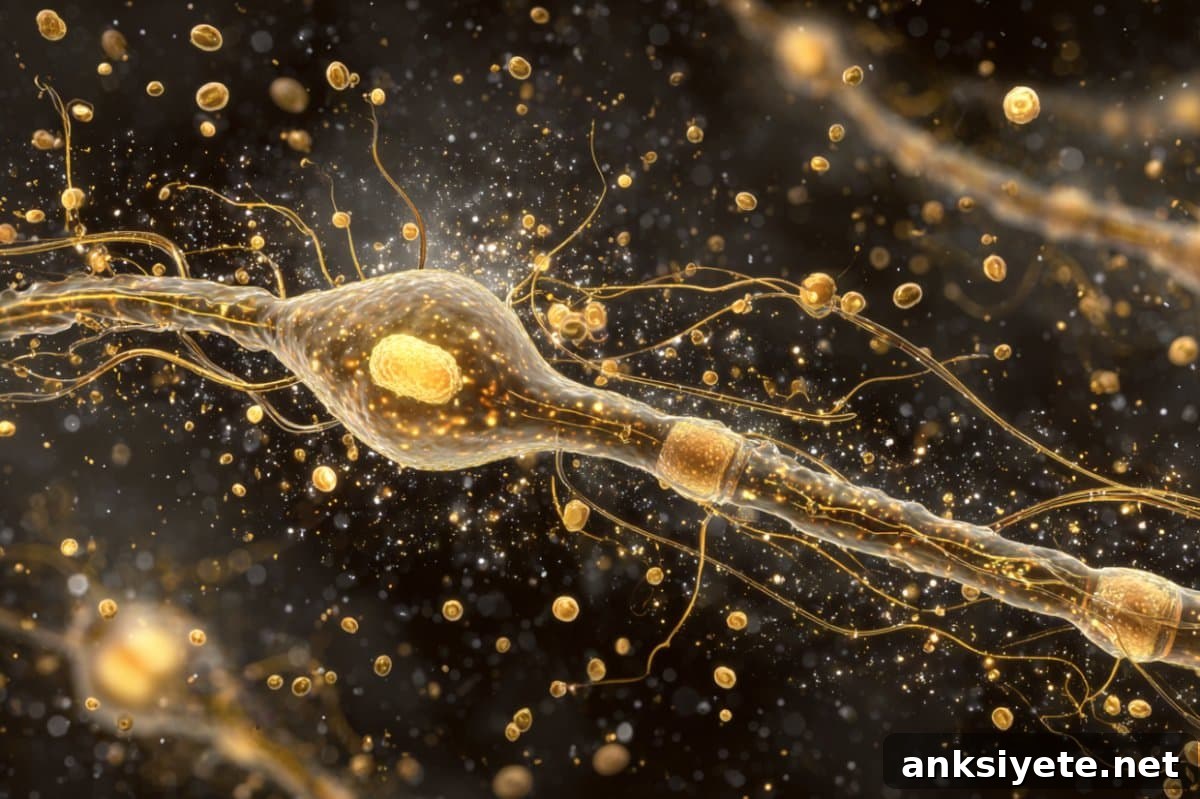
Summary: A new study from Weill Cornell Medicine overturns the long-standing belief that the brain relies exclusively on glucose. The research shows that active neurons can break down lipid droplets and use the released fatty acids as an alternative energy source when glucose is limited. This fat-burning pathway is driven by synaptic electrical activity and is vital for preserving brain function under metabolic stress.
When the brain’s usual supply of glucose dips, synaptic activity triggers neurons to tap lipid stores. The process depends on specific enzymes and lipid-transport mechanisms; disrupting these pathways in mice caused rapid declines in body temperature and a hibernation-like state, highlighting the metabolic importance of neuronal lipid use for survival.
Key Facts:
- Fat as fuel: Electrical activity at synapses enables neurons to mobilize triglyceride-filled lipid droplets into fatty acids that mitochondria use to make ATP, especially when glucose is scarce.
- Genetic link: The DDHD2 gene encodes a neuron-specific triglyceride lipase essential for clearing neuronal lipid droplets; mutations in DDHD2 are associated with hereditary spastic paraplegia and cognitive deficits.
- Functional evidence: Pharmacological blockade of fatty-acid transport into mitochondria (CPT1 inhibition) or loss of DDHD2 function in mice produces torpor, indicating an ongoing brain demand for lipid-derived fuels.
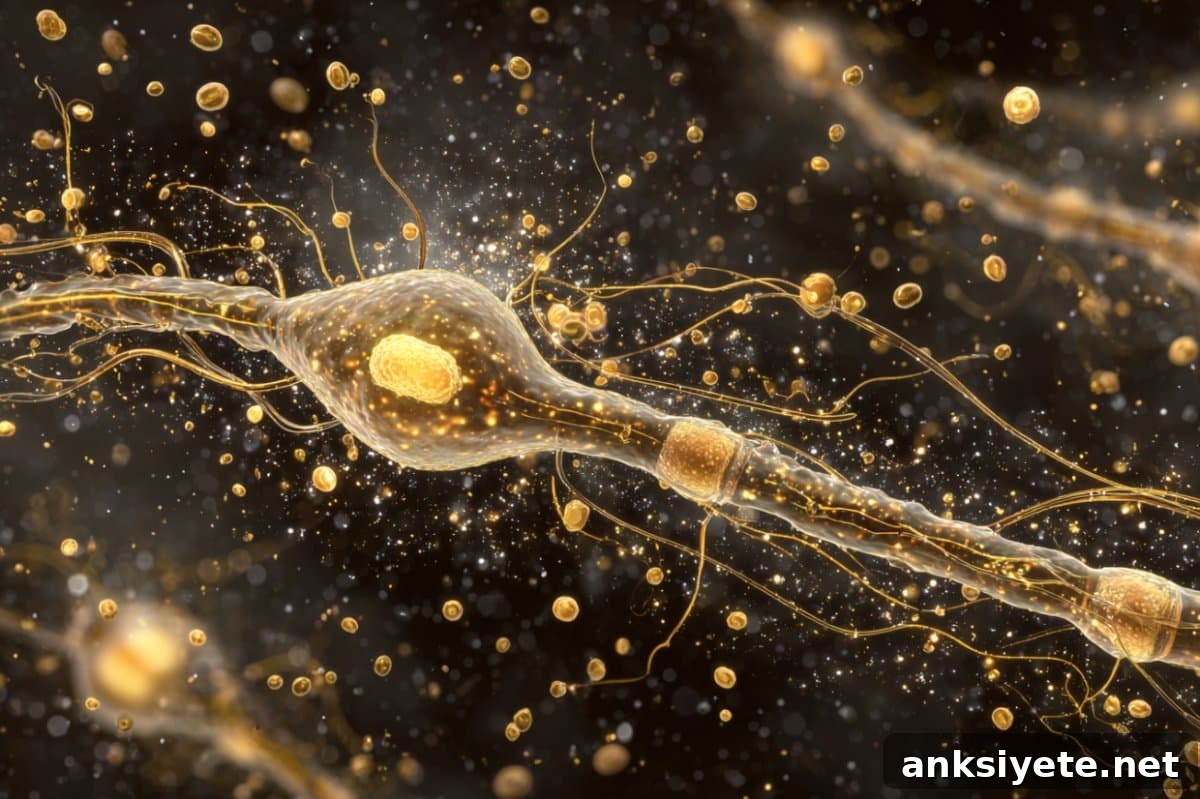
The study, published July 1 in Nature Metabolism, was led by Dr. Timothy A. Ryan and first author Dr. Mukesh Kumar. Dr. Kumar, who studies the cell biology of lipid droplets, notes that fat functions as an energy reserve in other high-demand tissues such as muscle, and the brain appears to use a similar strategy when needed.
The team focused on DDHD2, a lipase that frees fatty acids from triglyceride stores. Previous work showed that loss of DDHD2 causes triglyceride accumulation across the brain. That observation raised the question: are these lipid droplets simply stored, or can neurons access them for fuel under the right conditions?
Using mouse models lacking DDHD2, the researchers showed that neurons can cleave triglycerides in lipid droplets into fatty acids and funnel them to mitochondria. There, fatty acids are oxidized to produce adenosine triphosphate (ATP), the molecule neurons require for synaptic transmission and other activities. Crucially, this lipid-to-energy conversion is activity-dependent: active synapses promote fatty-acid flux into mitochondria, while resting neurons do not.
To test the functional importance of this pathway, investigators administered a small molecule inhibitor of carnitine palmitoyltransferase 1 (CPT1), an enzyme that transports long-chain fatty acids into mitochondria. Blocking CPT1 prevented neurons from using lipid droplets and induced torpor in adult mice—a rapid drop in body temperature and heart rate resembling hibernation. This dramatic physiological effect supports the idea that neuronal lipid metabolism is not merely a backup but an active, ongoing contributor to brain energy balance.
Implications for neurodegeneration and glucose–lipid balance
These findings open new directions for research into neurodegenerative diseases and age-related metabolic changes. Glucose levels in the brain can fluctuate with aging and disease, and the ability to draw on lipid-derived fatty acids may help maintain synaptic function during periods of low glucose. Some preliminary evidence suggests neuronal lipid droplet accumulation occurs in Parkinson’s disease and other disorders, but further work is needed to clarify causal links and therapeutic potential.
Understanding how neurons coordinate glucose and lipid metabolism, and how enzymes such as DDHD2 and transporters like CPT1 regulate this balance, could reveal molecular mechanisms that underlie neurodegeneration. By mapping these pathways in detail, researchers hope to identify strategies to preserve neuronal energy supply and protect brain function.
About this metabolism and neuroscience research news
Author: Corinne Esposito
Source: Weill Cornell University
Contact: Corinne Esposito – Weill Cornell University
Image: Image credited to Neuroscience News
Original Research: Open access. “Triglycerides are an important fuel reserve for synapse function in the brain” by Timothy A. Ryan et al., published in Nature Metabolism.
Abstract
Triglycerides are an important fuel reserve for synapse function in the brain
Proper fueling of the brain is critical to sustain cognitive function, but the role of fatty-acid (FA) oxidation in neurons has been unclear. This study shows that acute blockade of the neuron-specific triglyceride lipase DDHD2, or inhibition of the mitochondrial lipid transporter CPT1, leads to rapid torpor in adult male mice. These observations indicate that neurons continually traffic fatty acids derived from lipid droplets through β-oxidation to support bioenergetics in vivo.
In dissociated neurons, electrical silencing or DDHD2 inhibition causes accumulation of neuronal lipid droplets, including at nerve terminals. Fatty acids released from axonal lipid droplets enter mitochondria in an activity-dependent manner and drive local mitochondrial ATP production. These results demonstrate that nerve terminals can employ lipid droplets during electrical activity to provide metabolic support and likely play a critical role in maintaining neuronal function in living animals.