
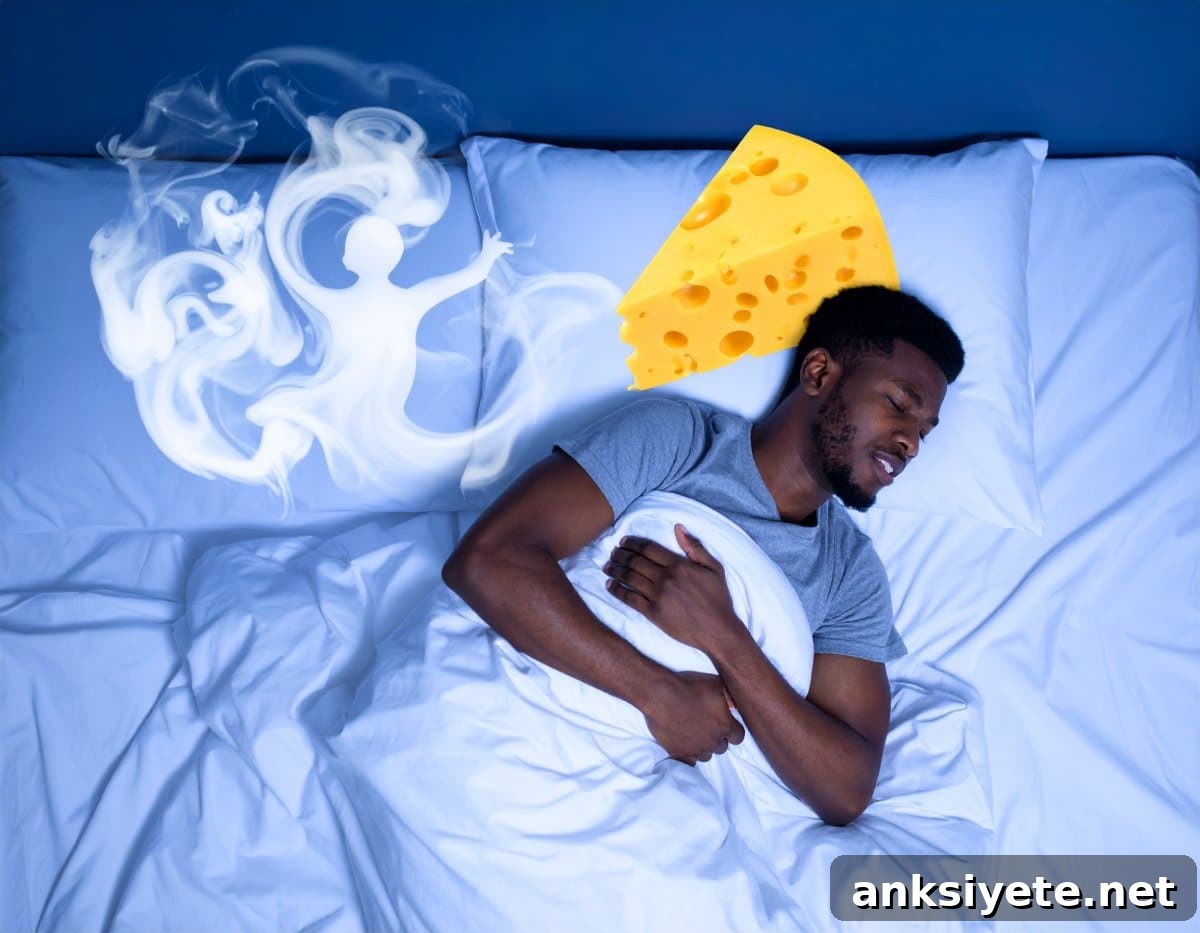
Summary: A new study finds a link between lactose intolerance, other food sensitivities, and disturbed sleep, including more frequent and vivid nightmares. In a survey of more than 1,000 university students, those reporting dairy intolerance also reported greater gastrointestinal distress at night and more disturbing dreams, suggesting a connection between nighttime physical discomfort and dream content.
Women were more likely than men to report food-related sleep problems, and participants with less healthy eating patterns experienced more negative dreams. While popular lore has long blamed cheese for bad dreams, this research provides empirical support for an association—though the precise mechanisms remain to be clarified.
Key facts
- Lactose intolerance and nightmares: Nightmares were strongly associated with gastrointestinal symptoms linked to dairy consumption.
- Food and sleep connection: Approximately 40% of participants believed that specific foods or late-night eating affected their sleep quality.
- Gender differences: Women reported more food intolerances, higher nightmare frequency, and greater dream recall than men.
Source: Frontiers (research led by Tore Nielsen)
Eating dairy and sleep disturbances
Researchers surveyed 1,082 students at MacEwan University about their sleep quality, dream frequency and characteristics, eating habits, and any perceived links between specific foods and sleep or dreams. The study found a notable association between reported lactose intolerance and both poorer sleep quality and more frequent nightmares. The researchers propose that nighttime gastrointestinal pain or gas caused by dairy consumption can disrupt sleep and influence the vividness or emotional tone of dreams.
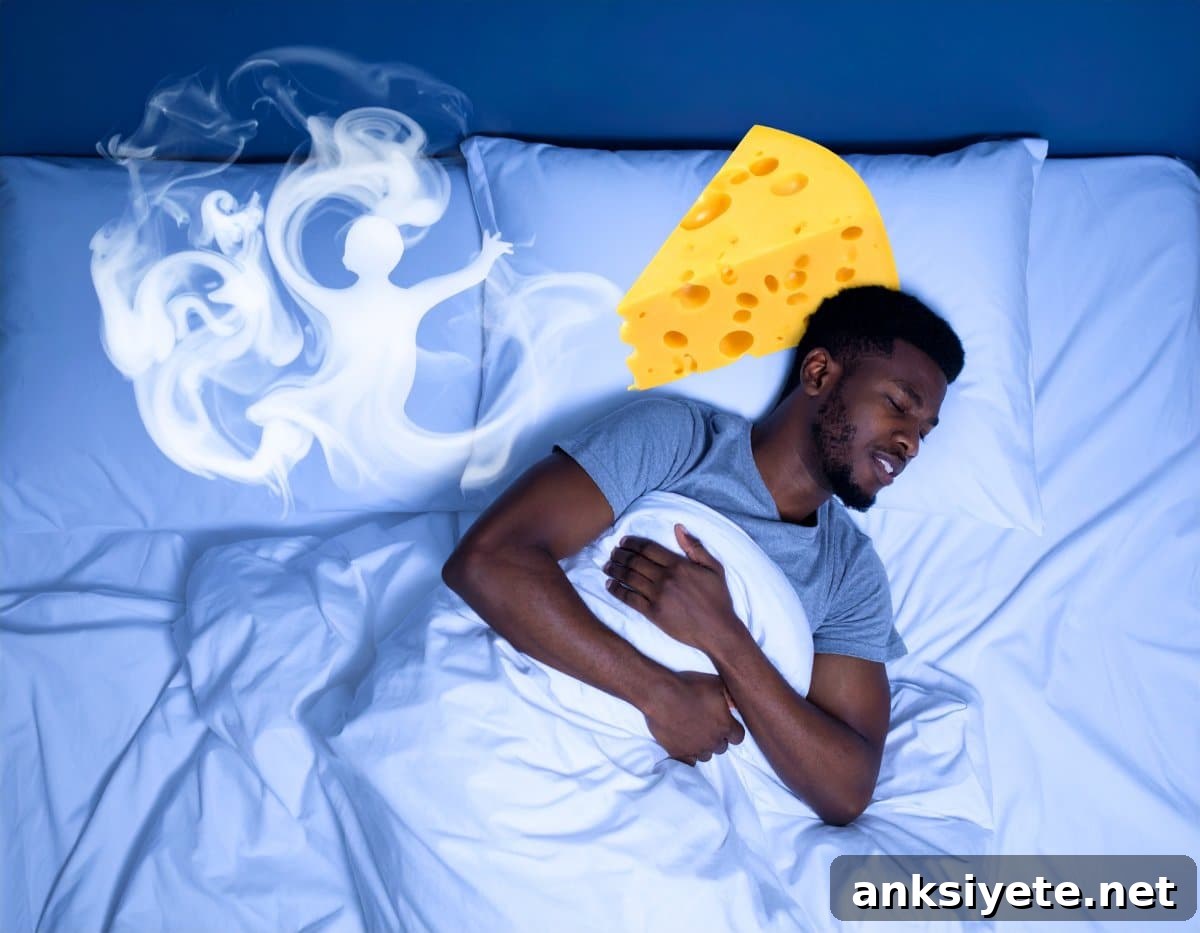
“Nightmare severity is robustly associated with lactose intolerance and other food allergies,” said Dr. Tore Nielsen of Université de Montréal, the study’s lead author. The study implies that addressing specific food sensitivities could reduce nightmare frequency for some people and may explain why dairy has historically been blamed for producing strange or unsettling dreams.
What participants reported
About one-third of respondents reported experiencing regular nightmares. Women in the sample were more likely than men to recall dreams, report poor sleep, and report food intolerances or allergies. Roughly 40% of participants believed that late-night eating or certain foods affected their sleep, while about 25% felt particular foods made their sleep worse. Participants who reported generally unhealthy eating patterns were more likely to have negative dreams and, paradoxically, less likely to consistently recall dreams.
When participants identified foods they believed influenced their sleep or dreams, sweets, spicy foods, and dairy were the most commonly named culprits. Only a small portion—5.5%—explicitly reported that food affected the emotional tone of their dreams, but within that group many singled out sweets and dairy as making dreams more bizarre or disturbing.
How food sensitivities may affect dreams
Comparing self-reported food intolerances with sleep and dream measures, the authors found lactose intolerance to be linked with gastrointestinal symptoms, higher nightmare disorder scores, and lower overall sleep quality. The pattern suggests a plausible pathway: dairy consumption leads to gastrointestinal distress, which disrupts sleep and increases nighttime awakenings, thereby producing more intense or negatively toned dreams.
“Nightmares are worse for lactose-intolerant people who experience severe gastrointestinal symptoms and sleep disruption,” Nielsen explained. Bodily sensations—such as pain or discomfort—are known to influence dream content. Frequent nightmares can awaken people in a distressed state and may lead to avoidance behaviors that further reduce sleep quality.
Dietary habits and dream patterns
The study also found that healthier eating patterns—like avoiding late-evening meals—were associated with higher dream recall, while unhealthy eating patterns (including evening eating, gastrointestinal complaints, and ignoring hunger and satiety cues) predicted nightmares and more negative dream content. The authors note these associations do not prove causation: poor diet could worsen sleep, poor sleep might lead to poorer dietary choices, or a third factor could influence both.
The researchers suggest that increased awareness of food intolerances over the past decade may have reduced how often students inadvertently trigger symptoms that affect sleep, which could explain why fewer participants reported a food–dream link compared with an earlier study.
Next steps
Nielsen and colleagues emphasize the need for additional research across diverse age groups and populations to determine whether these findings generalize beyond university students. They recommend experimental studies that directly test the effects of specific foods—such as controlled trials comparing cheese consumption with a control food before sleep—to determine whether particular items reliably alter sleep quality or dream characteristics.
About this sleep research news
Author: Tore Nielsen
Source: Frontiers
Contact: Tore Nielsen – Frontiers
Image: The image is credited to Neuroscience News
Original research: Open access. “More dreams of the Rarebit Fiend: Food sensitivity and dietary correlates of sleep and dreaming” by Tore Nielsen et al., published in Frontiers in Psychology. DOI: 10.3389/fpsyg.2025.1544475
Abstract
More dreams of the Rarebit Fiend: Food sensitivity and dietary correlates of sleep and dreaming
Background: Despite long-standing beliefs and anecdotes that food can influence sleep and dreams, systematic research has been limited. This study revisits that question with targeted measures of diet, food sensitivities, and sleep and dream characteristics.
Methods: An online survey of 1,082 participants assessed demographics, self-perceived effects of specific foods on dreams and sleep, diet and eating habits, food intolerances and allergies, personality dimensions, sleep quality (Pittsburgh Sleep Quality Index), and nightmare symptoms (Nightmare Disorder Index).
Results: Overall, 40.2% of respondents reported that certain foods either worsened (24.7%) or improved (20.1%) their sleep. A smaller portion (5.5%) reported that food affected the emotional tone of their dreams. Desserts/sweets and dairy were most frequently blamed for disturbing dream content. Food allergies and gluten intolerance were associated with perceived food effects on dreams, while lactose intolerance was tied to worse perceived sleep quality. Nightmare Disorder Index scores were strongly associated with food allergy and lactose intolerance; for lactose intolerance, this relationship was mediated by the severity of gastrointestinal symptoms. Healthier eating patterns predicted higher dream recall; unhealthy eating patterns predicted more nightmares and negative dream content.
Conclusions: The findings lend support to multiple hypotheses: some foods may directly affect dreaming, physiological discomfort from food sensitivities can influence dream content, and diet-related changes to sleep quality can alter dreaming. In particular, dairy-related gastrointestinal symptoms emerge as a plausible contributor to bizarre or disturbing dreams. These results point to potential non-pharmacological dietary interventions to improve sleep quality and reduce nightmares, while underscoring the need for experimental and broader population studies to confirm causality and mechanisms.