
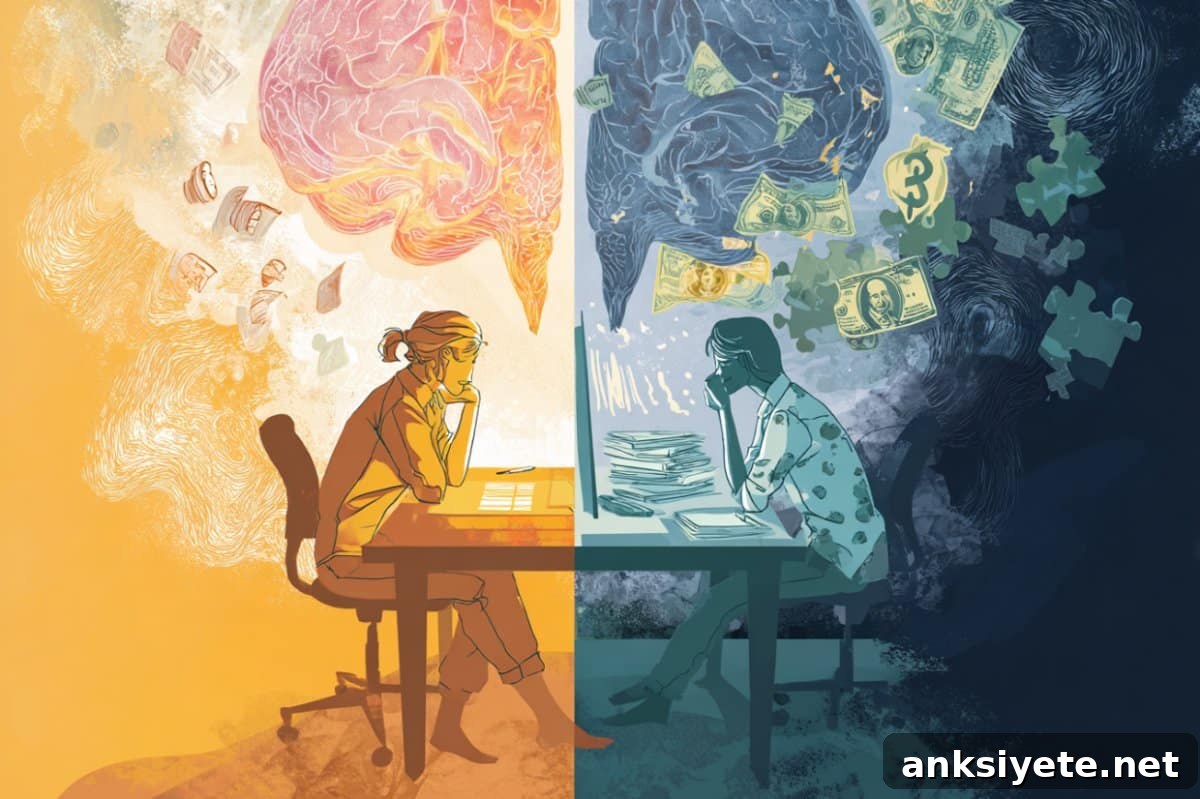
Summary: A recent study used functional MRI to examine how the brain responds to cognitive fatigue, pinpointing two regions—the right insula and the dorsolateral prefrontal cortex (DLPFC)—that grow more active as mental exhaustion increases. Researchers tracked volunteers performing demanding memory tasks and measured how internal fatigue and external monetary incentives influenced their decisions to keep working or to stop.
Participants reported greater feelings of mental fatigue as tasks progressed, and activity in the identified brain regions rose accordingly. At the same time, higher financial rewards made people more willing to continue exerting effort despite fatigue. These findings provide measurable neural markers of cognitive fatigue and suggest a framework that could inform treatments for fatigue-related conditions such as depression and PTSD.
Key facts
- Fatigue-related circuits: The right insula and bilateral dorsolateral prefrontal cortex show increased activation and connectivity during cognitive fatigue.
- Effort versus incentive: Larger monetary incentives substantially increased participants’ willingness to exert mental effort even when fatigued.
- Clinical relevance: Identifying neural signatures of cognitive fatigue may help develop objective measures and interventions for conditions that involve debilitating mental exhaustion.
Source: Johns Hopkins Medicine
Study overview
In experiments conducted with healthy adult volunteers inside an MRI scanner, researchers examined how the brain reacts when people feel mentally tired and must decide whether to continue exerting cognitive effort. The study, published in the Journal of Neuroscience, involved 28 participants (18 female, 10 male) aged 21–29.
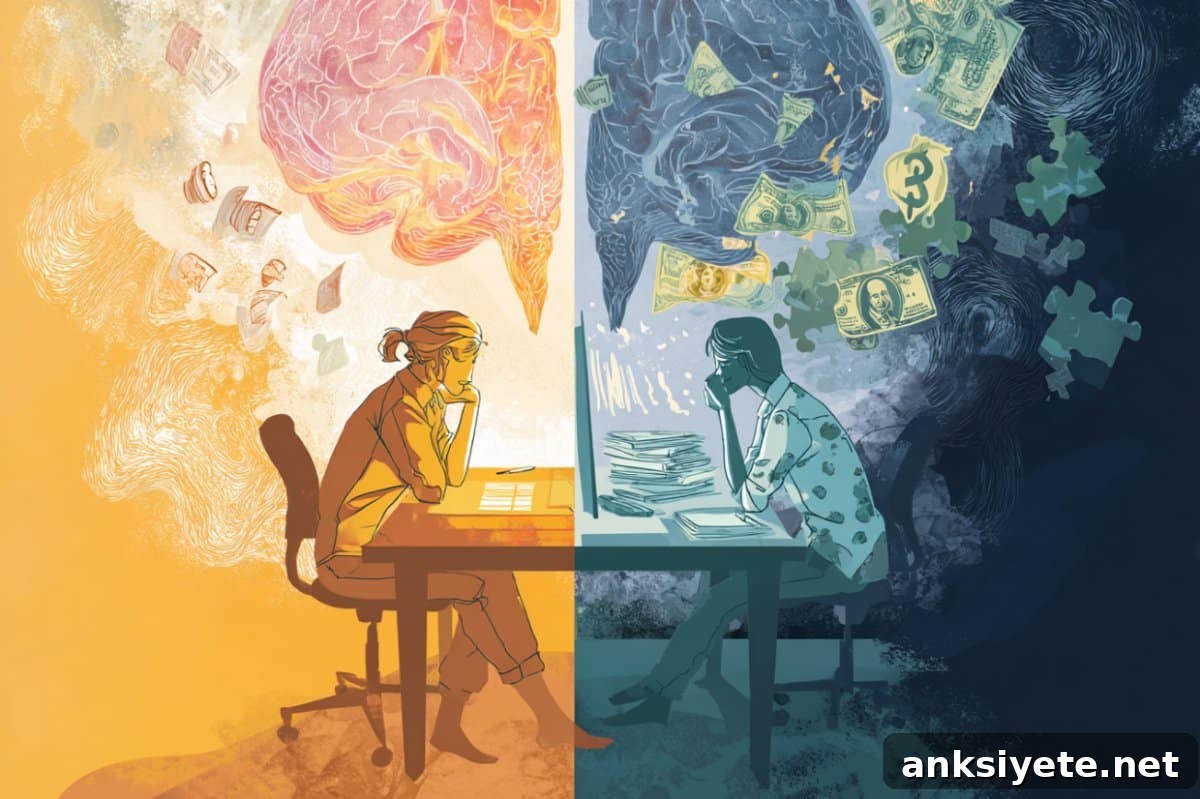
All participants received a baseline MRI scan and were paid a base participation fee of $50. They were told they could earn additional payments based on task performance and the choices they made during the experiments. The memory tasks were designed to vary cognitive load: subjects viewed sequences of letters on a screen and were asked to recall the position of letters that had appeared earlier in the sequence. Items presented farther back in the sequence were harder to recall and required more cognitive effort.
After each trial, participants received feedback about their performance and were offered choices that could increase monetary rewards from $1 to $8 in exchange for more demanding recall tasks. Before and after each task block, participants rated their level of cognitive fatigue, enabling researchers to relate subjective fatigue reports to brain activity and behavior.
Main findings
When participants reported feeling cognitively fatigued, the study found marked increases in both activation and connectivity between two brain regions: the right insula, an area previously linked to internal bodily states and subjective feelings such as fatigue, and the dorsolateral prefrontal cortex, which supports working memory and executive control. For many participants, activity in these regions during fatigue rose to more than double their baseline levels.
Behaviorally, cognitive fatigue made participants more likely to decline higher-effort options even when those options offered greater rewards. However, higher financial incentives significantly boosted the likelihood that participants would opt to exert more effort, indicating that external rewards can counteract the tendency to avoid demanding cognitive work.
The investigators interpret the results as evidence for a neural mechanism in which signals related to cognitive exertion in the DLPFC influence the calculation of effort value, with the insula playing a role in representing the subjective cost or aversiveness of continued exertion. In other words, these regions appear to interact when people decide whether the expected benefits of a task outweigh the perceived cost of continued mental effort.
Implications and next steps
Identifying neural circuits that track cognitive fatigue in healthy adults creates a foundation for studying how these processes may differ in clinical populations that experience persistent mental exhaustion, such as people with depression or post-traumatic stress disorder. The researchers suggest that this experimental paradigm—decision tasks paired with functional MRI and self-reported fatigue—could serve as an objective framework for classifying cognitive fatigue and testing interventions.
Potential future directions include applying this approach to patients with fatigue-related disorders, and evaluating whether behavioral therapies, pharmacological treatments, or other interventions can modify activity in the insula and DLPFC and thereby improve willingness or capacity to sustain cognitive effort. The authors also emphasize that fMRI measures blood-flow changes across broad brain regions and does not directly measure individual neuron activity, so additional methods will be valuable for refining mechanistic details.
Funding Funding for this research was provided by the National Institutes of Health (R01HD097619, R01MH119086).
About this neuroscience research news
Author: Vanessa Wasta
Source: Johns Hopkins University
Contact: Vanessa Wasta – Johns Hopkins University
Image credit: Neuroscience News
Original research: Closed access. “The Neurobiology of Cognitive Fatigue and Its Influence on Effort-Based Choice” by Vikram Chib et al., Journal of Neuroscience.
Abstract
The Neurobiology of Cognitive Fatigue and Its Influence on Effort-Based Choice
Cognitive fatigue arises from repeated mental exertion and affects everyday decisions about whether to continue working. Using functional MRI, the study tested 28 participants (18 females, 10 males) before and after bouts of fatiguing cognitive tasks while they made choices about exerting effort for reward. When participants became fatigued, they were more likely to forgo higher rewards that required greater effort. The findings describe a mechanism by which exertion-related signals in the dorsolateral prefrontal cortex influence effort-value computations instantiated by the insula, shaping decisions to exert mental effort. These results highlight the role of cognitive fatigue in effort-based choice and offer measurable neural targets for future study and treatment development.