
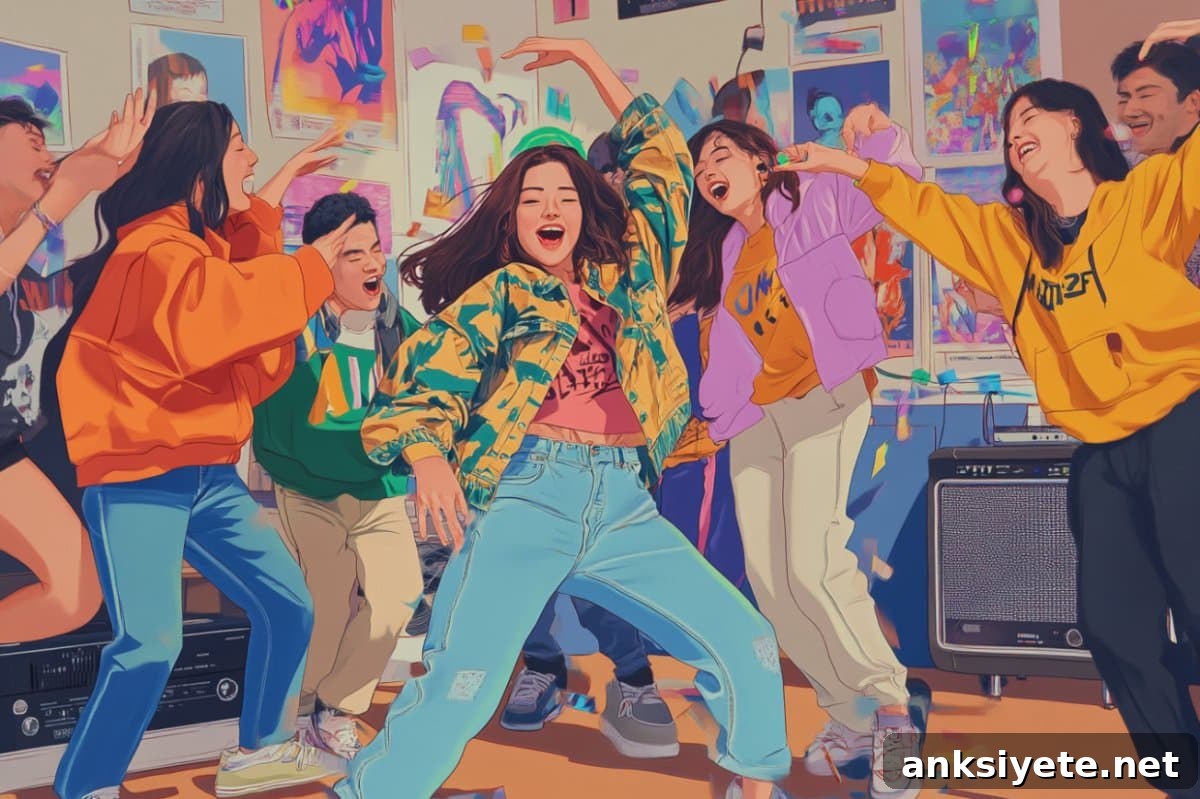
Summary: A recent study from the University of Western Ontario finds that nostalgia—memories and emotions tied to past experiences—strongly motivates people to dance, even more than mere familiarity with a song. Young adults rated a series of popular tracks for how much each made them want to tap, move, or dance, and also reported how familiar and nostalgic the songs felt.
The results show that while both familiarity and nostalgia increase enjoyment and the urge to move, nostalgia uniquely predicts the desire to dance. This suggests that emotionally charged memories attached to particular songs may be a crucial factor in producing a dancing response, with potential implications for rhythm-based therapies used for movement disorders.
Key Facts:
- Nostalgia boosts the urge to dance: Songs connected to emotionally meaningful memories prompted stronger dance desire than equally familiar but less nostalgic tracks.
- Familiarity is not the same as nostalgia: Some widely known pop hits scored high for familiarity but low for nostalgia and dance appeal.
- Therapeutic potential: Findings may inform rhythmic and music-based interventions for conditions that affect movement, such as Parkinson’s disease.
Source: University of Western Ontario
A human impulse with deep roots
Moving to music—often described as groove or the urge to move—is a universal human behavior with ancient origins. Many factors influence this urge, and familiarity with a tune has long been recognized as important. The new Western University study goes further by isolating the role of nostalgia, an emotional state that combines recognition with feelings that can be pleasant, wistful, or even bittersweet.
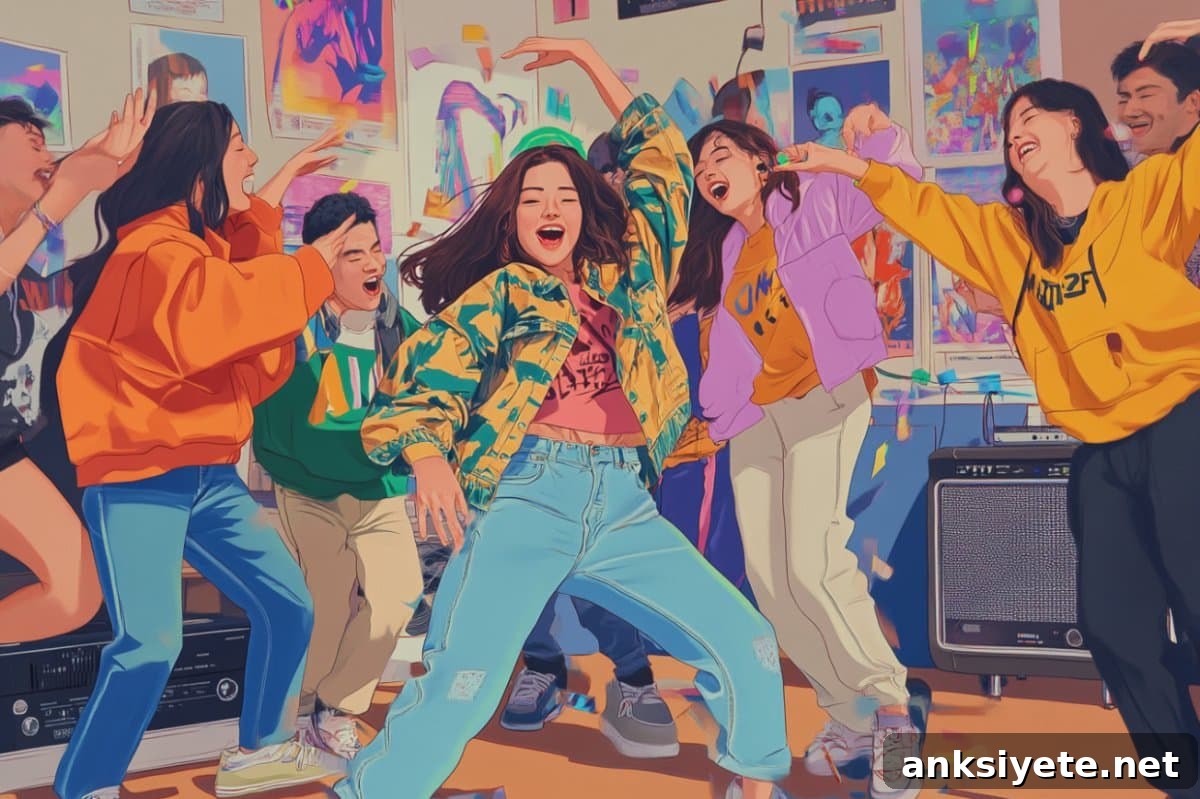
Led by Grahn and PhD candidate Riya Sidhu, the research team examined how nostalgia and familiarity each contribute to three kinds of movement responses—tapping, general movement, and full dancing—as well as to enjoyment. Participants, mainly in their early to mid-twenties, completed an online experiment rating a curated playlist that included songs from their adolescence alongside more recent popular tracks.
“Groove is the pleasurable urge to move to music,” the researchers note. Brain imaging and prior behavioral studies have shown that rhythmic music activates motor areas even in people with movement impairments, which is one reason the neuroscientific team is interested in how specific qualities of music—like nostalgia—affect motivation to move.
Sidhu, the study’s lead author, explained that familiarity and nostalgia are related but distinct: the more a song evokes personal memories and emotions, the more likely it is to transport a listener back to significant moments and to trigger movement beyond simple recognition or enjoyment.
Familiar hits do not always feel nostalgic
To induce nostalgia, researchers selected popular songs from the participants’ teenage years—tracks released roughly between 2009 and 2015. Examples included TiK ToK by Ke$ha, Call Me Maybe by Carly Rae Jepsen, and Dynamite by Taio Cruz. While many of these songs scored highly on both familiarity and nostalgia, some widely known anthems such as Firework by Katy Perry were rated very familiar but relatively low in nostalgia and in dance appeal.
In the experiment, participants rated each song on enjoyment, familiarity, nostalgia, and their desire to tap, move, or dance. Both familiarity and nostalgia predicted ratings for tapping and general movement, but only nostalgia reliably predicted the desire to dance. TiK ToK ranked highest for the desire to dance, narrowly surpassing Uptown Funk and Party Rock Anthem in the dance category.
The authors suggest that nostalgia introduces an emotional depth that goes beyond simple recognition. That emotional resonance appears to amplify the impulse to dance, not merely to enjoy or move along with the beat.
Implications and context
These findings point to a distinctive motivational role for nostalgia in music-driven movement. The researchers highlight potential clinical relevance: understanding how emotionally meaningful songs prompt movement could help refine music- and rhythm-based therapies for people with motor control disorders.
About this music and neuroscience research news
Author: Jeffrey Renaud ([email protected])
Source: University of Western Ontario
Contact: Jeffrey Renaud – University of Western Ontario
Image: The image is credited to Neuroscience News
Original Research: Open access. “Throwbacks that move us: The dance-inducing power of nostalgic songs” by Riya Sidhu et al., published in PLOS One. DOI: 10.1371/journal.pone.0318766
Abstract
Throwbacks that move us: The dance-inducing power of nostalgic songs
The urge to move to music—often called groove—is shaped by multiple factors, including how familiar a listener is with a piece of music. Nostalgia combines familiarity with a mix of emotions (pleasant, sad, wistful) that has not been broadly examined in this context. This study investigated how familiarity and nostalgia each influence the desire to tap, move, and dance along to music. Songs from participants’ adolescent years were used to evoke nostalgia, while more recent popular songs served as familiar but low-nostalgia controls. Participants completed online ratings for three movement categories plus enjoyment, familiarity, and nostalgia. Nostalgic songs produced stronger desires to move across all categories. While both familiarity and nostalgia predicted tapping and general movement, only nostalgia predicted dance desire. These results indicate a distinct role for nostalgia—beyond mere familiarity—in motivating the desire to dance.