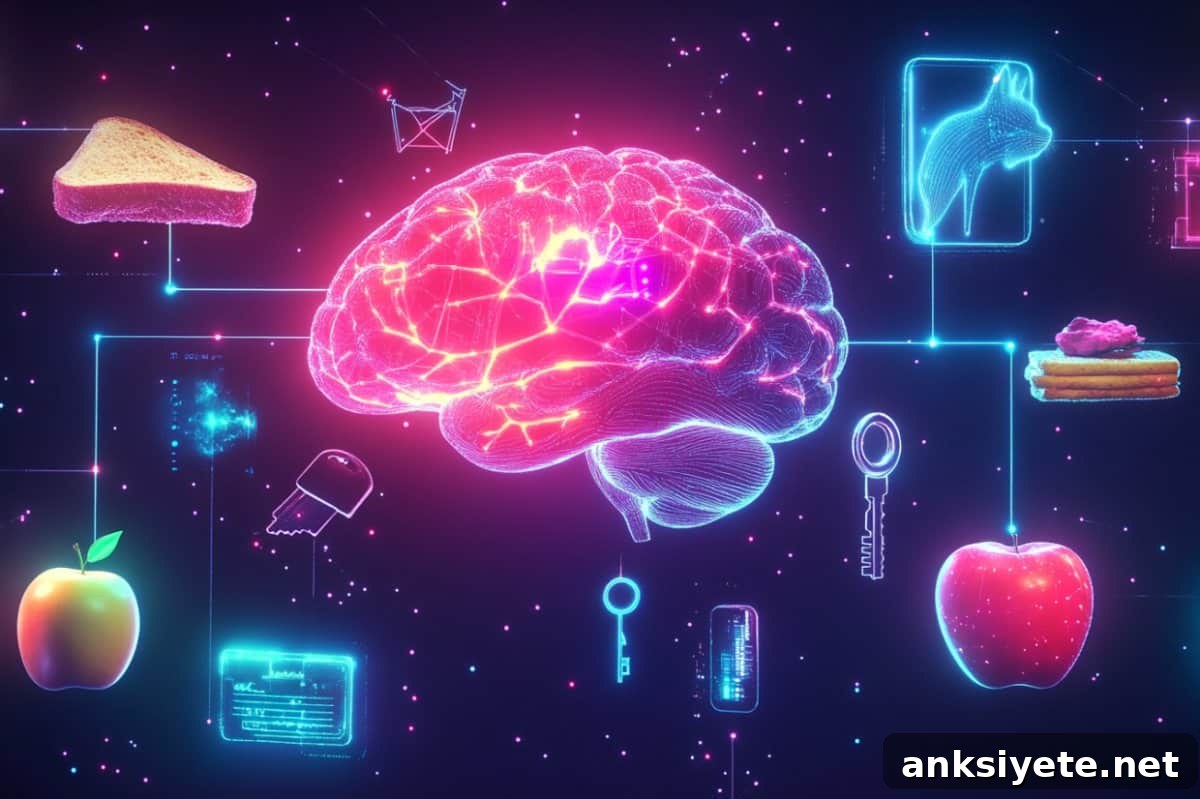
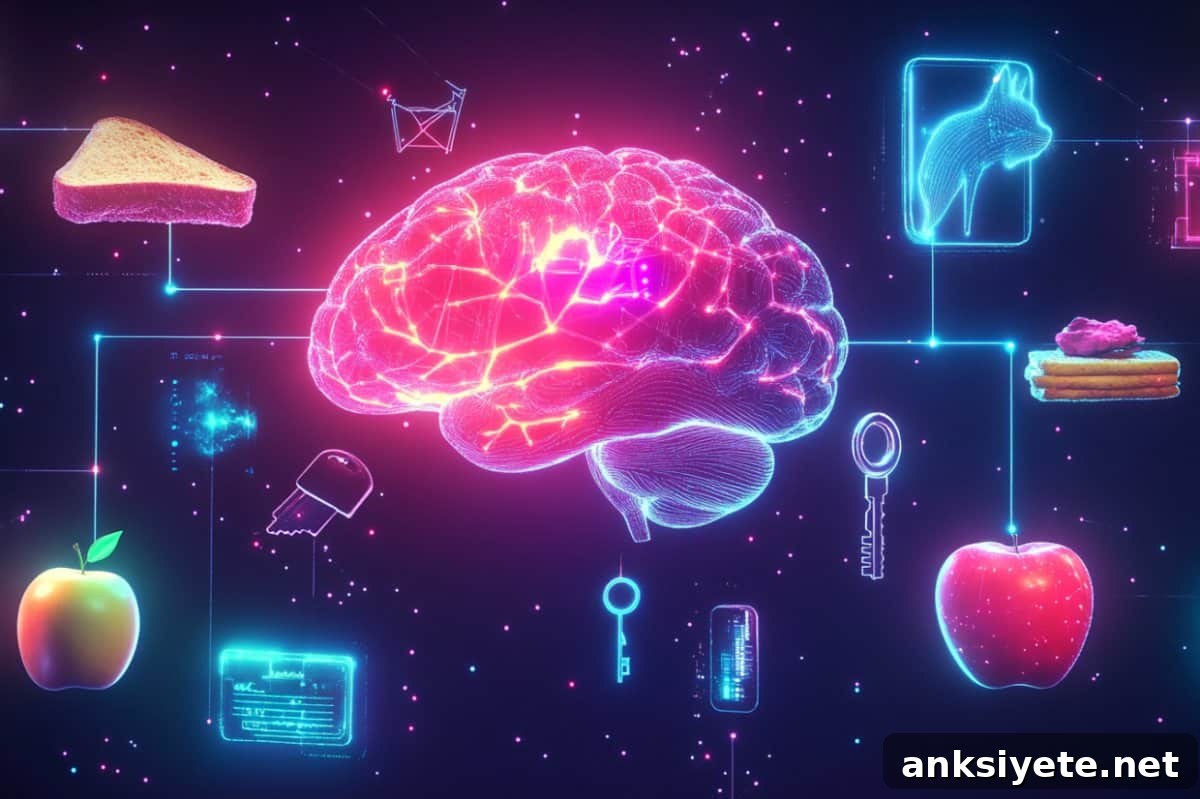
Summary: Researchers have advanced brain-computer interface (BCI) technology by letting people with tetraplegia design their own tactile sensations. Instead of generic buzzes or tingles, participants adjusted stimulation settings to give different virtual objects distinct feels—describing a cat as warm and “tappy,” a key as smooth and rigid, and an apple as cool and round. This approach brings neuroprosthetics closer to restoring meaningful, personalized touch.
Participants reported vivid, object-specific sensations and were able to identify objects by touch alone at rates better than chance. The findings show that customizable sensory feedback can make prosthetic touch more intuitive, personal, and useful in everyday tasks.
Key Facts:
- Customizable touch: Participants controlled stimulation parameters to create distinct tactile experiences for different objects.
- Realistic descriptions: Users described sensations with rich, meaningful terms such as “warm and tappy” or “smooth and silky.”
- Progress toward intuitive prosthetics: Personalized feedback improved the ability to distinguish objects and moves the field closer to prostheses that feel naturally integrated.
Source: University of Pittsburgh
Researchers at the University of Pittsburgh School of Medicine, in collaboration with the University of Chicago, have demonstrated a new method that lets people with spinal cord injuries shape their own artificial sense of touch through intracortical stimulation.
In the study, participants explored digital representations of everyday items and tuned the electrical stimulation delivered to the somatosensory cortex until the sensation matched their internal expectation of that object. They described tactile qualities in natural, meaningful terms—fitting descriptions that reflected the object’s expected texture, temperature, and form.
The work, published in Nature Communications, departs from earlier approaches that predetermined stimulation parameters and often produced similar, undifferentiated sensations across different objects. By placing control in the hands of users, researchers enabled each person to craft sensations that felt intuitive and personally meaningful.
“Touch is an important part of non-verbal social communication; it is a sensation that is personal and that carries a lot of meaning,” said Ceci Verbaarschot, Ph.D., the study’s lead author and assistant professor in neurological surgery and biomedical engineering. “Letting BCI users design their own sensations helps interactions with objects feel more realistic and meaningful, which moves us closer to neuroprosthetics that feel pleasant and natural to use.”
A brain-computer interface translates brain activity into signals that can restore or replace functions controlled by the nervous system. In this case, intracortical microstimulation was used to evoke tactile percepts in people who lost sensation in their hands due to spinal cord injury.
Previous experiments showed that stimulating the somatosensory cortex can restore a basic sense of touch and improve control of prosthetic limbs, but those sensations often remained limited and similar across different objects. The new self-guided approach expands the range of percepts and links stimulation profiles directly to meaningful object characteristics.
In the study, three participants with tetraplegia were asked to find stimulation settings that matched the feel of virtual objects—such as a cat, apple, key, towel, or toast—presented on a screen. Working without visual information in some trials, they adjusted parameters using a blinded procedure to produce a tactile profile that best represented each item.
All three participants described object-specific sensations in vivid, coherent ways that were nevertheless subjective. For example, one person described a cat as “warm and tappy,” while another called it “smooth and silky.” When visual cues were removed, participants identified the correct object by sensation alone 35% of the time—better than chance for a five-choice task, though not yet perfect.
“We set an ambitious goal and made substantial progress,” said Robert Gaunt, Ph.D., senior author and associate professor of physical medicine and rehabilitation. “Distinguishing between multiple objects by touch alone is difficult, but participants were successful and their errors were predictable—soft items like a cat and a towel could be confused, while a cat and a key were less likely to be mixed up.”
The study represents an important step toward evoking accurate, object-appropriate tactile sensations on paralyzed hands and developing artificial limbs that integrate seamlessly into an individual’s sensory experience.
Other authors include Vahagn Karapetyan, M.D., Ph.D., and Michael Boninger, M.D., of the University of Pittsburgh; Charles Greenspon, Ph.D., and Sliman Bensmaia, Ph.D., of the University of Chicago; and Bettina Sorger, Ph.D., of Maastricht University.
Funding: Supported by the National Institute for Neurological Disorders and Stroke (UH3 NS107714) and the Dutch Research Council (NWO Rubicon and NWO Vidi grants).
About this neurotech and BCI research news
Author: Anastasia (Ana) Gorelova
Source: University of Pittsburgh
Contact: Anastasia (Ana) Gorelova – University of Pittsburgh
Image credit: Neuroscience News
Original Research: Open access. “Conveying tactile object characteristics through customized intracortical microstimulation of the human somatosensory cortex” by Ceci Verbaarschot et al., Nature Communications.
Abstract
Conveying tactile object characteristics through customized intracortical microstimulation of the human somatosensory cortex
Microstimulation of the somatosensory cortex can evoke tactile percepts in people with spinal cord injury, offering a pathway to restore touch. While location and intensity are readily conveyed, two challenges have limited more complex, naturalistic sensations: the large stimulus parameter space and the difficulty of assessing percept quality.
This study introduces a self-guided, blinded experimental paradigm that allowed three male participants with tetraplegia to control stimulation parameters to create sensations associated with different virtual objects. Participants reliably produced object-specific percepts and reported vivid, appropriate characteristics. Both machine classifiers and participants matched stimulation profiles to objects at rates significantly above chance without visual cues. Confusions increased when objects shared tactile features, indicating that the evoked percepts captured meaningful tactile relationships.
The results show that microstimulation of somatosensory cortex can produce intuitive and varied tactile percepts and that self-guided tuning is a viable method to characterize and refine future stimulation strategies.