Most complete human brain model to date is a ‘brain changer’
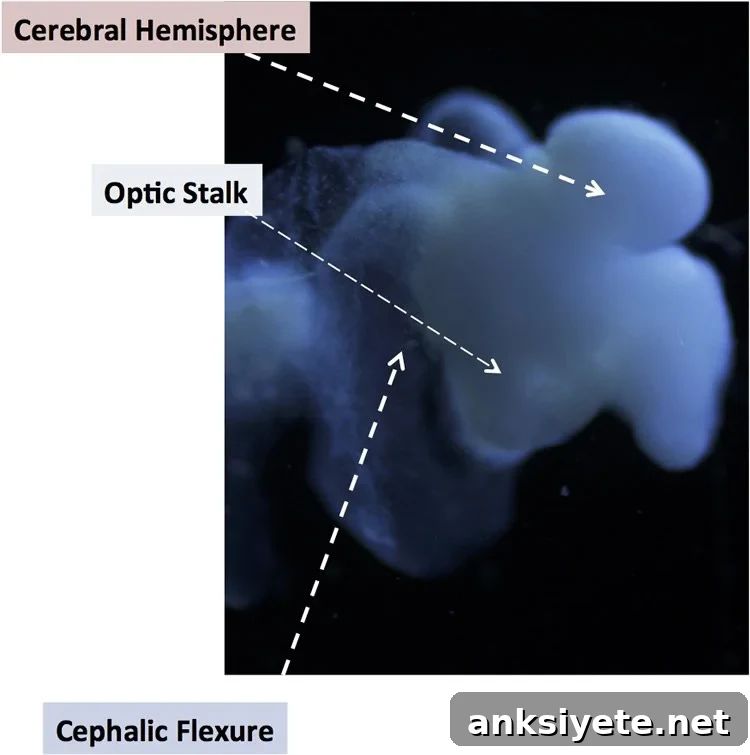
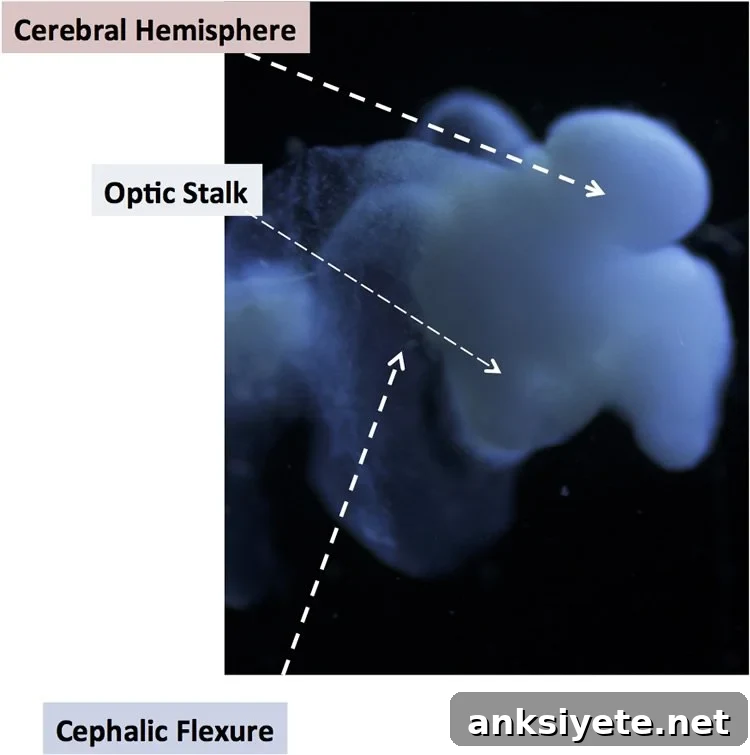
Researchers at The Ohio State University have produced a lab-grown human brain organoid that closely mirrors the maturity and structure of a five-week-old fetal brain. This nearly complete human brain model, created from reprogrammed adult skin cells, represents one of the most advanced in vitro systems for studying early human neural development and testing therapies for central nervous system disorders.
The organoid, about the size of a pencil eraser, exhibits identifiable brain regions and cell types and expresses roughly 99 percent of the genes found in the human fetal brain. According to Rene Anand, professor of biological chemistry and pharmacology and neuroscience at Ohio State, the platform could significantly improve the speed and relevance of preclinical drug testing and deepen understanding of genetic and environmental contributions to neurological disease.
Anand explains that the organoid not only resembles the developing brain in appearance, but its diverse cell population activates gene patterns and signaling markers characteristic of a real fetal brain. “We’ve struggled for a long time trying to solve complex brain disease problems that cause tremendous pain and suffering,” he said. “This brain model gives us more relevant options to test and develop therapeutics beyond traditional rodent models.”
Inspired by disappointing translational results from rodent studies, Anand added stem cell and organoid techniques to his laboratory’s capabilities. Using induced pluripotent stem cells—adult cells converted to a pluripotent state—the team directed differentiation toward neural lineages and provided culture conditions that mimic the in utero environment. That approach produced a highly structured organoid containing a spinal cord-like structure, major brain regions, a retina-like area and multiple neural support cell types.
High-resolution imaging of the organoid reveals functioning neurons with axons and dendrites, as well as astrocytes, oligodendrocytes and microglia. The system also displays markers for excitatory and inhibitory neurons and the molecular machinery needed for synaptic signaling. These features make the organoid a practical experimental model for studying pathways involved in neurodevelopmental disorders and neurodegeneration.
Building the organoid to match the developmental state of a five-week fetal brain requires about 15 weeks of culture. Anand and his colleague Susan McKay, research associate in biological chemistry and pharmacology, have maintained the organoids longer—up to 12 weeks and beyond—to observe maturation changes. The team notes that the model lacks a vascular system, which limits nutrient and oxygen delivery as it grows larger; adding a functional blood supply could allow further maturation and extend the organoid’s utility for stroke and injury studies.
Anand and McKay have already used the organoid platform to create in vitro models of Alzheimer’s disease, Parkinson’s disease and autism spectrum disorders. They anticipate the model could be useful for researching traumatic brain injury, post-traumatic stress disorder and Gulf War illness, and they hope the organoid will be evaluated within broader Microphysiological Systems programs that aim to emulate human physiology using engineered tissues.
The lab’s method for guiding pluripotent cells into neural tissues is proprietary and currently disclosed to the university through an invention disclosure. Anand emphasizes that converting adult cells back to a pluripotent state—an approach that earned Shinya Yamanaka a Nobel Prize—is now a widely used pathway to generate human tissue models when paired with tissue-specific differentiation protocols and optimized culture conditions.
Funding for this work came from the Marci and Bill Ingram Research Fund for Autism Spectrum Disorders and the Ohio State University Wexner Medical Center Research Fund. Anand and McKay are co-founders of NeurXstem, a Columbus-based start-up formed to commercialize the brain organoid platform, and they have pursued follow-on funding to accelerate drug-discovery applications.
Funding: Support came from the Marci and Bill Ingram Research Fund for Autism Spectrum Disorders and the Ohio State University Wexner Medical Center Research Fund.
Source: Rene Anand – Ohio State University
Image credit: Ohio State University
Original presentation: Research reported at the 2015 Military Health System Research Symposium in Ft. Lauderdale, Florida on August 18, 2015.