
“Gatekeeper” Neurotransmitter for Itch Does Not Mediate Pain, Study Finds
Summary: Researchers identify brain natriuretic peptide (BNP) as a neurotransmitter that conveys itch signals but does not contribute to acute, inflammatory, or neuropathic pain.
Source: North Carolina State University
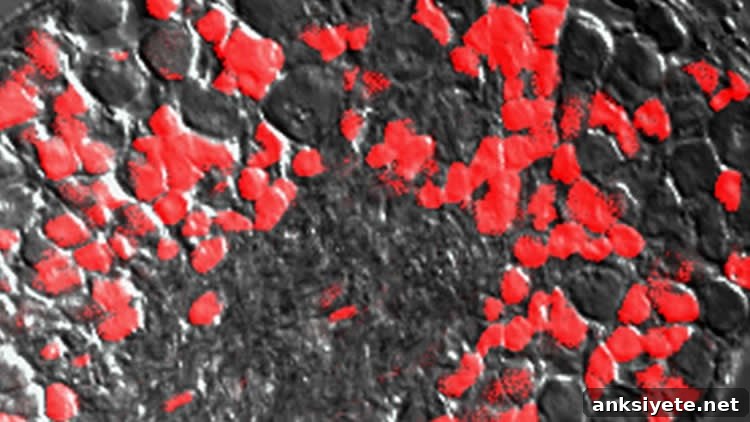
Researchers at North Carolina State University report that brain natriuretic peptide (BNP), a neurotransmitter previously linked to the transmission of itch from the skin to the spinal cord and brain, does not play a role in pain signaling. The study clarifies distinct neural pathways for itch and pain and highlights opportunities for more targeted treatments.
Santosh Mishra, assistant professor of neuroscience in NC State’s College of Veterinary Medicine and corresponding author on the paper, explains that understanding separate signaling circuits for pain and itch is critical for developing therapies that treat one without affecting the other. The team focused on BNP because prior work showed this molecule is expressed in a subset of sensory neurons and is important for transmitting itch in mice.
In the current study, the researchers compared normal mice with mice genetically engineered to lack the BNP gene. They tested responses to several types of painful stimuli—acute pain, inflammatory pain, and neuropathic pain—and found no differences between animals with or without BNP. These results indicate that BNP-expressing sensory neurons are not required for transmitting these forms of pain.
Pain and itch sensations begin at sensory nerve endings in the skin or other peripheral tissues. When these neurons encounter a stimulus, they depolarize and release neurotransmitters that propagate the signal from one neuron to the next. Signals travel through peripheral nerves to the spinal cord and then ascend to the brain, where they are interpreted as pain or itch.
Mishra refers to neurotransmitters and their receptors at the interface between peripheral sensory neurons and central pathways as “gatekeepers.” By identifying which gatekeepers mediate itch versus pain, researchers can design interventions that block only the unwanted sensation. According to Mishra, targeting BNP would be expected to reduce itch without dampening pain perception, because BNP is involved in itch transmission but not pain transmission.
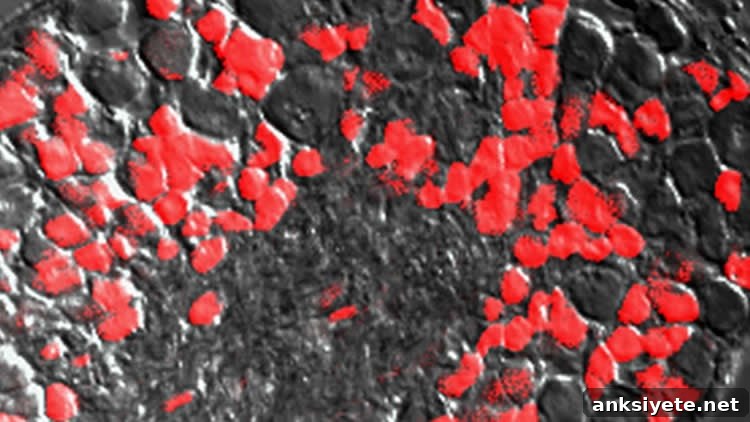
By clarifying that BNP is specific to itch pathways and not to pain pathways, this work supports the pursuit of peripheral therapies aimed at blocking itch signals at their source in the skin or sensory nerve endings. Such peripheral interventions could be preferable to treatments that target central nervous system pathways, which may carry greater side effects.
Developing drugs that block itch-specific neurotransmitters or their receptors, or otherwise diminish their action, could provide relief for conditions where chronic itch is a major symptom. Examples of disorders in which itch contributes substantially to patient burden include atopic dermatitis, certain nervous system disorders, chronic kidney disease, and infection-related or systemic conditions. Because itch research is a relatively new and expanding field, identifying molecules like BNP helps build a foundation for future, more selective therapies.
Saumitra Pitake, a postdoctoral researcher in NC State’s College of Veterinary Medicine, is listed as first author. Jennifer Debrecht, a researcher with the College of Veterinary Medicine, also contributed to the work. Santosh Kumar Mishra is the corresponding author.
Funding: The research was supported by a start-up fund from NC State’s College of Veterinary Medicine. Mice lacking the BNP gene were provided by Mark Hoon at the National Institutes of Health.
Publication: The results were published in the peer-reviewed journal Molecular Pain under the title “Brain natriuretic peptide (BNP) expressing sensory neurons are not involved in acute, inflammatory or neuropathic pain.” The paper reports open-access findings detailing experimental comparisons between normal mice and BNP-deficient mice across several pain models.
This study identifies BNP as a neurotransmitter specific to itch signaling rather than pain transmission. The distinction between itch- and pain-specific neural circuits opens the door to targeted therapeutic approaches that reduce itch without impairing the body’s pain responses, offering a promising direction for future drug development and clinical management of chronic itch conditions.