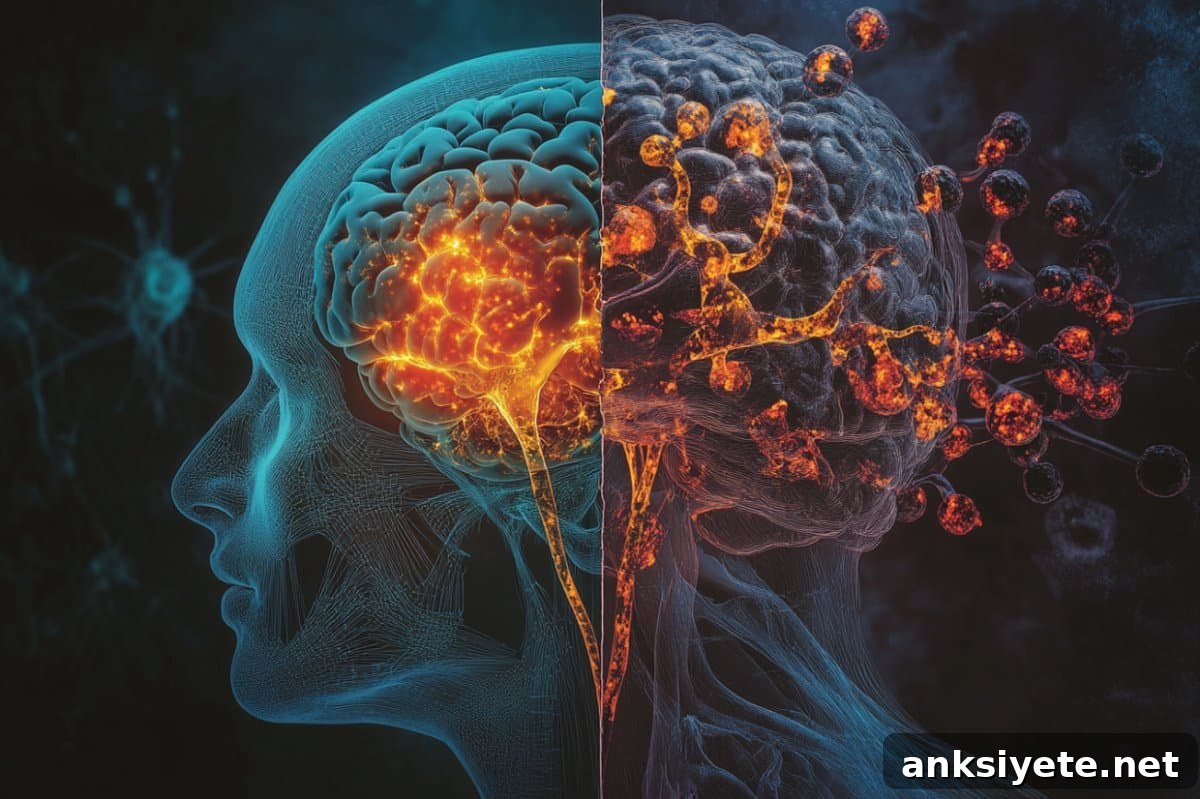
Summary: A new multi-center retrospective study indicates that gabapentin, a commonly prescribed anti-seizure and neuropathic pain medication, is associated with longer survival in patients with glioblastoma (GBM), the most aggressive primary brain tumor in adults. Across two independent hospital cohorts, GBM patients taking gabapentin lived several months longer on average than those who did not.
The research emerges from advances in cancer neuroscience showing that glioma cells exploit neural signaling to support tumor growth. Gabapentin may interfere with this interaction by lowering levels of thrombospondin-1 (TSP-1), a protein implicated in neuron–tumor communication. While the results are encouraging, they come from retrospective data and require confirmation in prospective, randomized clinical trials before gabapentin can be recommended as a GBM therapy.
Key findings
- Survival advantage: Patients with newly diagnosed GBM who were taking gabapentin survived, on average, 4 to 6 months longer.
- Biomarker association: Gabapentin use correlated with reduced serum levels of TSP-1, suggesting a possible pharmacodynamic marker for response.
- Large, replicated cohorts: Results were observed in more than 1,000 patients across two institutions—693 in the discovery cohort and 379 in an external validation cohort.
Source: Mass General
Overview
Investigators from Mass General Brigham conducted a retrospective analysis of medical records to explore whether gabapentin use affects outcomes after surgical resection of newly diagnosed GBM. Their findings, published in Nature Communications, build on laboratory studies that identified a neuron–tumor signaling axis mediated in part by thrombospondin-1 (TSP-1). Preclinical data suggested gabapentin could disrupt this pathway and slow tumor growth, motivating the clinical analysis.
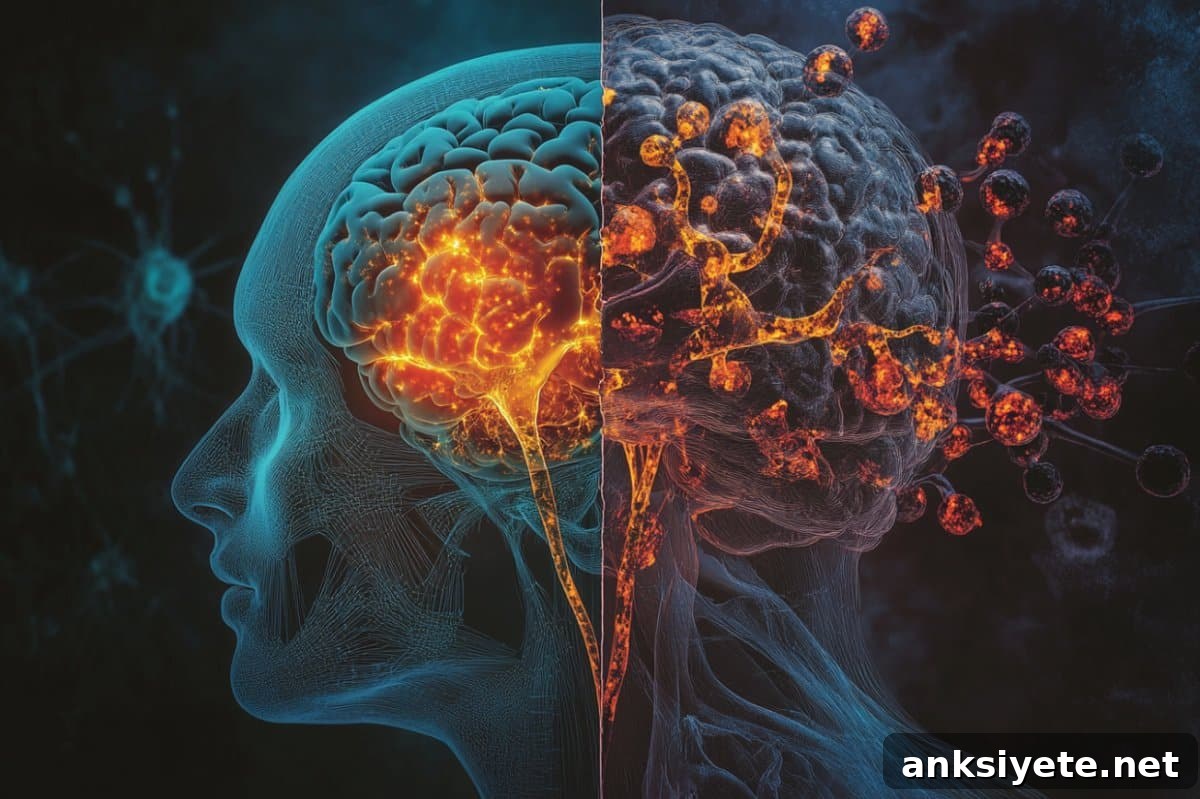
Lead author Joshua Bernstock, MD, PhD, a clinical fellow in Neurosurgery at Brigham and Women’s Hospital, described the results as an important step toward new therapeutic strategies for GBM. He emphasized that GBM remains a devastating disease with limited improvements in survival over recent decades, and that repurposing an existing drug with a known safety profile could be clinically valuable if confirmed by rigorous trials.
GBM is an aggressive brain cancer that affects roughly 12,000 people in the United States each year and accounts for the majority of primary brain tumors in adults. Typical overall survival after diagnosis remains limited—commonly 12 to 14 months with standard treatment—and median survival after recurrence is short, around 5.5 months.
The Mass General Brigham team analyzed outcomes in 693 GBM patients and found that those taking gabapentin had a median overall survival of approximately 16 months versus 12 months in patients not on the drug. To test reproducibility, the investigators collaborated with a team at the University of California, San Francisco (UCSF) and examined an independent cohort of 379 newly diagnosed GBM patients. In the UCSF cohort, gabapentin users had a median survival of 20.8 months compared with 14.7 months for non-users. Combined, the two cohorts comprised 1,072 patients and demonstrated a statistically significant association between gabapentin use and extended survival.
In parallel with survival data, the study reported that gabapentin-treated patients exhibited lower serum TSP-1 concentrations. Because TSP-1 is a synaptogenic factor implicated in neuron–glioma interactions, reduced circulating levels after gabapentin exposure support the idea that the drug may impact tumor-supportive signaling. However, the causal link and the utility of TSP-1 as a predictive biomarker require further prospective study.
Importantly, this investigation is retrospective. Patients were not randomized to receive gabapentin, and the authors acknowledge potential confounding factors despite statistical adjustments. The study therefore cannot prove that gabapentin directly prolongs survival; it can only report an association that merits further testing. Bernstock and colleagues call for well-designed randomized clinical trials to confirm these observations, define optimal dosing and timing, and determine which patients are most likely to benefit.
About this brain cancer and neuropharmacology research news
Author: Liz Murphy
Source: Mass General
Contact: Liz Murphy – Mass General
Image: Image credited to Neuroscience News
Original research: Open access. “Gabapentinoids confer survival benefit in human glioblastoma” by Joshua Bernstock et al., Nature Communications.
Abstract
Gabapentinoids confer survival benefit in human glioblastoma
Neuronal–glioma interactions are increasingly recognized as central to the initiation and progression of central nervous system tumors. Gliomas can integrate into neural circuits through mechanisms that include the synaptogenic factor thrombospondin-1 (TSP-1). Understanding these neuron–tumor interactions opens new avenues for therapeutic targeting that do not depend on the tumor’s specific oncogenic mutations but instead disrupt essential tumor-supportive processes. In a retrospective, multi-institutional cohort of 1,072 patients (693 in a discovery cohort and 379 in an external validation cohort), gabapentin use after surgical resection of newly diagnosed GBM was associated with improved overall survival and correlated with reduced serum TSP-1 levels, suggesting a potential biomarker for future studies. These findings support further investigation through randomized clinical trials to evaluate gabapentin’s therapeutic potential in GBM management.