
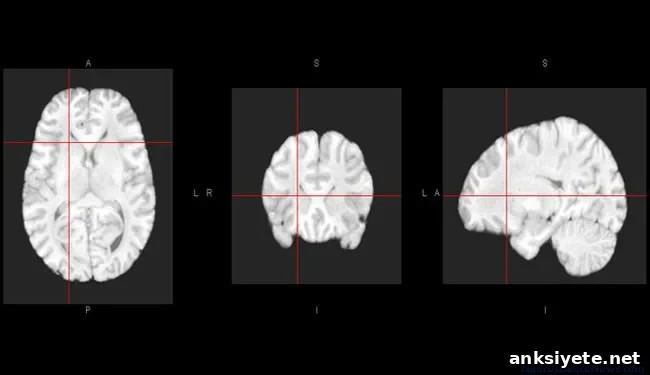
First comprehensive analysis of the Allen Human Brain Atlas published in Nature reveals a shared molecular blueprint and vast biochemical complexity in the human brain
Scientists at the Allen Institute for Brain Science report in Nature that human brains follow a consistent genetic blueprint while displaying immense biochemical diversity. These conclusions arise from the first deep, large-scale analysis of the publicly available Allen Human Brain Atlas, a resource that maps gene expression across the adult human brain.
This study is based on the Atlas’ all-genes, all-structures survey, which profiles expression across 400 to 500 distinct brain locations per hemisphere using microarray technology. The dataset includes more than 100 million gene expression measurements collected from three individual adult human brains. Analysis of these measurements shows that roughly 84% of all human genes are expressed somewhere in the brain, and that expression patterns are substantially consistent across individuals.
“This study demonstrates the value of a global analysis of gene expression throughout the entire brain and has implications for understanding brain function, development, evolution and disease,” said Ed Lein, Ph.D., Associate Investigator at the Allen Institute for Brain Science and co-lead author on the paper. “These results only scratch the surface of what can be learned from this immense data set.”
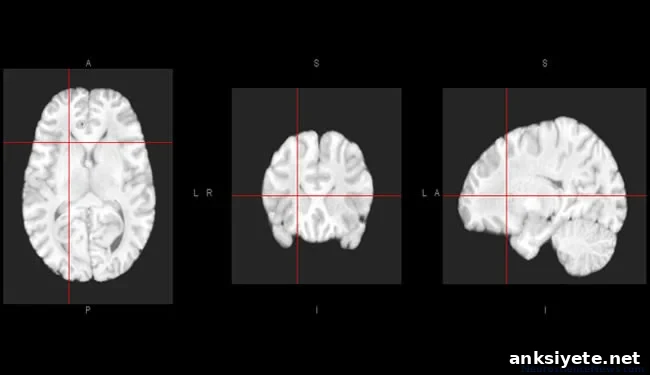
Key findings from the Allen Human Brain Atlas analysis
The analysis reveals that, despite the many differences in personality and cognitive talent across people, human brains are more similar than different at the molecular level. The study identifies a common molecular architecture and highlights several significant observations:
- Neighboring areas of the cerebral cortex are biochemically more similar to one another than to distant brain regions. This spatial patterning of gene expression offers clues about how the brain develops across the lifespan and how cortical areas evolved.
- The left and right hemispheres show no large-scale differences in molecular architecture. Functional asymmetries such as language lateralization therefore likely arise from subtler molecular differences, structural size or circuitry organization rather than a fundamentally different transcriptomic landscape between hemispheres.
- The cerebral cortex is comparatively homogeneous in its molecular profile relative to subcortical regions. This suggests that common cellular and molecular building blocks are reused across cortical areas, so insights gained in one cortical region may generalize to others.
Beyond these global patterns, the work provides detailed molecular insights that are directly relevant to understanding disease mechanisms and developing therapeutics:
- Approximately 84% of human genes are active somewhere in the adult brain, underscoring the brain’s complex molecular repertoire.
- Many genes that were previously uncharacterized show region-specific expression and cluster with known functional gene groups, suggesting new roles for these genes in particular brain functions.
- Genes associated with synapses and cell-to-cell communication are expressed in diverse combinations across brain regions. This reveals a wide variety of synapse types and strong regional specialization that likely underpins functional differences between brain areas.
“The tremendous variety of synapses we see in the human brain is quite striking,” said Professor Seth Grant, FRSE, of the University of Edinburgh and a collaborating author. “Mutations in synaptic genes are associated with numerous brain disorders, so understanding synapse diversity and organization in the human brain is an essential step toward decoding disease mechanisms and developing targeted treatments.”
Implications for neuroscience and medicine
By providing a comprehensive transcriptomic map of the adult human brain, the Allen Human Brain Atlas creates a foundation for multiple lines of research. Neuroscientists can use these data to link genes to brain circuits and functions, examine how regional molecular specializations contribute to cognition, and investigate how genetic and molecular disruptions produce neurological and psychiatric disorders. For clinicians and drug developers, the atlas highlights region-specific molecular targets and may guide strategies to design therapies that act on precise cell types or synapse classes.
Notes about this brain research
The Allen Human Brain Atlas is available through the Allen Brain Atlas data portal at www.brain-map.org. The Atlas integrates gene expression data with anatomical and imaging resources to enable exploration of the adult human brain transcriptome.
Contact: Steven Cooper – Allen Institute for Brain Science
Source: Allen Institute for Brain Science press release (2012)
Image source: Human brain atlas image generated using the Allen Brain Atlas viewer and MRI donor data from the Allen Institute for Brain Science.
Original research: “An anatomically comprehensive atlas of the adult human brain transcriptome,” M. J. Hawrylycz et al., Nature (2012), DOI: 10.1038/nature11405. The study provides the transcriptome atlas and describes methods and principal findings supporting the observations summarized here.