
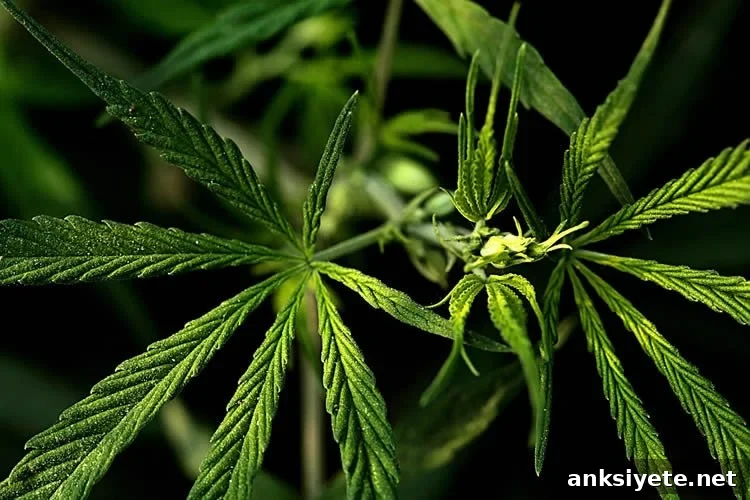
Summary: Following the legalization of retail marijuana in Washington, overall cannabis use fell among younger teens, but increased among high school seniors who work 11 or more hours per week.
Source: Washington State University
Key finding: New research led by a Washington State University College of Nursing professor found that the only adolescent group to report higher marijuana use after retail sales began in Washington were 12th graders who worked at least 11 hours per week. Other grades showed declines or stable patterns.
Data indicate that marijuana use declined significantly among 8th and 10th graders after legalization in Washington, and also decreased among 12th graders who were not employed. High school seniors who worked fewer than 11 hours weekly showed little change in cannabis use following legalization.
The study, led by WSU College of Nursing Assistant Professor Janessa Graves, is published in the Journal of Adolescent Health and analyzes patterns of adolescent marijuana use before and after Washington opened recreational cannabis retail stores in mid-2014.
The research team focused on adolescents in 8th, 10th and 12th grades and compared marijuana use for students who reported working in jobs (excluding household chores, yard work, and babysitting) versus those who did not work. The analysis used responses from the statewide Healthy Youth Survey collected in 2010 and 2016.
Across all grades, students who worked 11 or more hours per week consistently reported higher rates of past‑30‑day marijuana use than their nonworking peers.
In 2016, for example, 4.8 percent of nonworking 8th graders reported past‑month marijuana use compared with 20.8 percent of 8th graders who worked. Among 10th graders, 13.9 percent of nonworking students reported past‑month use, versus 33.2 percent of those working 11 or more hours per week. For 12th graders the difference was 20.5 percent for nonworking students compared with 36.7 percent for students working 11+ hours weekly.
“It’s not surprising that adolescents who work more often report greater substance use,” Graves said. Prior studies have shown similar associations. Working teens encounter a broader range of adults beyond coaches, teachers and parents and are more likely to be exposed to adult substance use. Employment also provides more disposable income, which can increase access to substances.
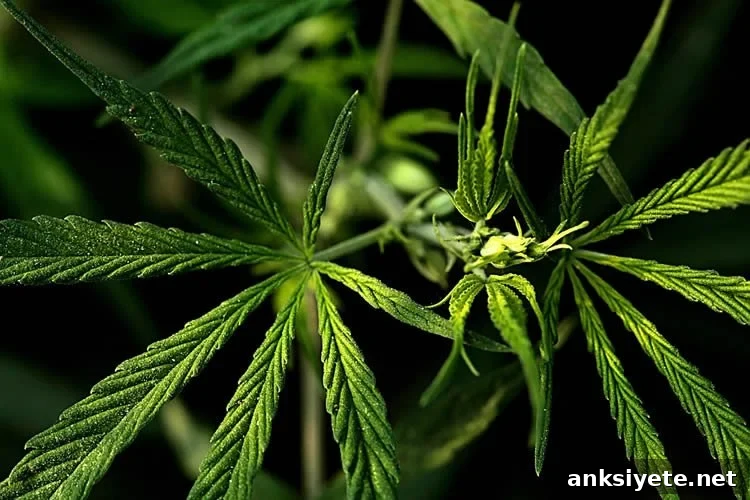
Advice for parents: Working can teach responsibility and valuable skills, but it can also accelerate exposure to adult behaviors. Graves recommends that parents consider the quality of supervision and management at their child’s workplace. Choosing a job with strong oversight and thoughtful management can reduce exposure to risky behaviors.
The study also suggests employers have a role to play. Workplaces that hire adolescents can help by clearly communicating and enforcing zero‑tolerance policies against adults providing substances to minors or encouraging substance use among young employees.
Source:
Washington State University
Media Contacts:
Addy Hatch – Washington State University
Image Source:
The image is in the public domain.
Original Research: Closed access. Citation: Graves, Janessa M. et al., “Employment and Marijuana Use Among Washington State Adolescents Before and After Legalization of Retail Marijuana,” Journal of Adolescent Health, doi: 10.1016/j.jadohealth.2018.12.027.
Abstract
Employment and Marijuana Use Among Washington State Adolescents Before and After Legalization of Retail Marijuana
Purpose
This study examined the relationship between adolescent employment and marijuana use in Washington State during the period spanning two years before the 2012 ballot initiative and two years after implementation of retail recreational marijuana sales.
Methods
Researchers used data from the 2010 and 2016 administrations of Washington’s statewide Healthy Youth Survey, which captures responses from more than 76,000 students and is representative of public school 8th, 10th and 12th graders. The analysis applied difference‑in‑differences regression to estimate the odds of current (past‑30‑day) marijuana use by working status and hours worked per week, compared with nonworking youth.
Results
Across grades, working adolescents had a higher prevalence of recent marijuana use than nonworking adolescents. Youth employed in formal settings—such as retail and service sectors—were more likely to report marijuana use than both nonworking peers and youth working in informal roles like babysitting. From 2010 to 2016, marijuana use declined significantly among both working and nonworking 8th and 10th graders. However, among working 12th graders, marijuana use increased significantly relative to nonworking youth (adjusted odds ratio: 1.34, 95% confidence interval: 1.22–1.48). The associations were stronger for adolescents who worked more hours per week.
Conclusions
Working adolescents were more likely to use marijuana both before and after Washington’s legalization of retail marijuana. Legalization was associated with increased marijuana use specifically among 12th‑grade students who worked. Policymakers and public health officials in states that legalize marijuana may want to consider targeted interventions to support healthy behaviors among working youth.