
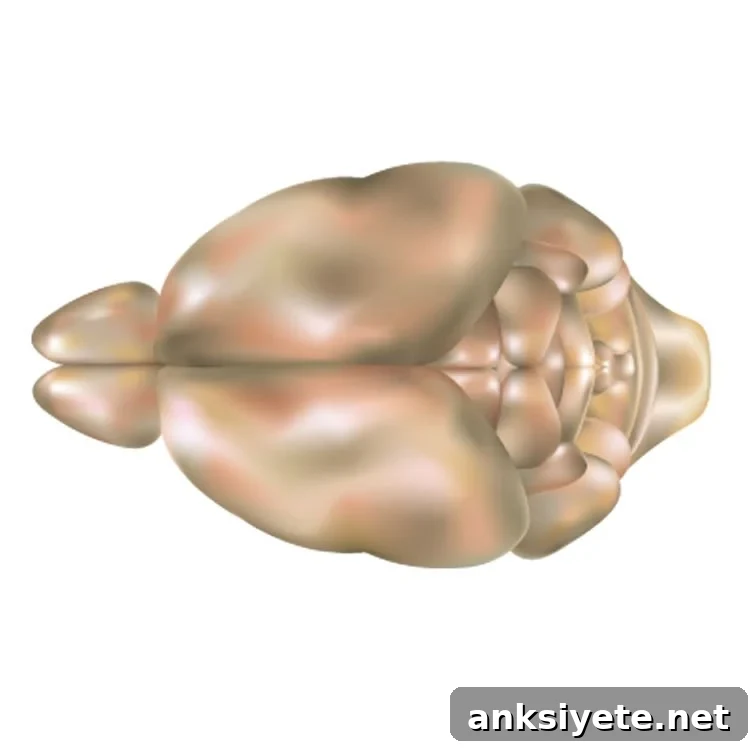
Researchers at Virginia Commonwealth University School of Medicine have identified a previously unrecognized action of fingolimod (FTY720), a drug widely used to treat multiple sclerosis: it can promote the elimination of adverse or traumatic memories in a mouse model.
These findings clarify a molecular mechanism that helps explain some of the drug’s effects beyond its established role in modulating the immune system. Fingolimod is an orally available therapy for multiple sclerosis that functions as a prodrug and is converted in the body to its active, phosphorylated form (FTY720-phosphate).
In a study published as an Advanced Online Publication in Nature Neuroscience on May 25, researchers report that fingolimod accumulates in the brain and directly inhibits histone deacetylases (HDACs), key enzymes that regulate gene expression. This inhibition led to increased expression of a specific, limited set of genes implicated in memory processes. The molecular action of fingolimod resembled that of the endogenous signaling lipid sphingosine-1-phosphate (S1P), to which FTY720-phosphate is structurally similar.
“Our results indicate that some beneficial effects of FTY720/fingolimod that were previously unexplained may be mediated by this newly identified activity,” said Sarah Spiegel, Ph.D., professor and chair of the Department of Biochemistry and Molecular Biology at VCU School of Medicine and the study’s first author. Spiegel emphasized that the drug’s ability to inhibit HDACs in the brain could account for changes in gene expression linked to memory modification.
The research team demonstrated that the active, phosphorylated form of fingolimod facilitates fear extinction memory—the process by which an organism learns to suppress a conditioned fear response. In experimental paradigms where mice were trained to associate a stimulus with an aversive event, treatment with FTY720-phosphate enhanced the animals’ capacity to extinguish the fearful response, consistent with reduced persistence of aversive memories.
Spiegel noted the potential clinical implications while urging caution. “It will be important to determine whether this prodrug can reduce cognitive decline or erase adverse memories in humans,” she said. At present, these effects have only been shown in animal models; further research is required to establish safety, efficacy, and appropriate therapeutic contexts in people.
The study builds on prior work from Spiegel’s group published in Science in 2009, which established that sphingosine-1-phosphate produced in the cell nucleus can act as a natural HDAC inhibitor and thereby regulate histone acetylation and gene expression. The current paper extends that mechanistic framework to a clinically used multiple sclerosis drug and links HDAC inhibition to memory processes relevant to anxiety disorders.
Spiegel, who holds the Mann T. and Sara D. Lowry Professorship of Oncology and serves as co-leader of the Cancer Cell Signaling research program at the VCU Massey Cancer Center, led a multidisciplinary team from across VCU. Contributors included investigators from the Departments of Pharmacology and Toxicology, Neurology, Biochemistry and Molecular Biology, and Anatomy and Neurobiology. Collaborators from the Chinese Academy of Sciences in Shanghai also participated in the study.
The research article is titled: “Active, phosphorylated form of fingolimod inhibits histone deacetylases and facilitates fear extinction memory.” The work was supported by the National Institutes of Health (NIH) grant R37GM043880.
Contact: Sathya Achia Abraham – Virginia Commonwealth University
Source: Virginia Commonwealth University press release.
Image credit: Database Center for Life Science (DBCLS). Image licensed under Creative Commons Attribution 3.0 Unported; used here for illustrative purposes.
Original research citations (for reference): Abstract for “Active, phosphorylated fingolimod inhibits histone deacetylases and facilitates fear extinction memory” by Nitai C. Hait et al., Nature Neuroscience, published online May 25, 2014, doi: 10.1038/nn.3728. Related foundational work: “Regulation of Histone Acetylation in the Nucleus by Sphingosine-1-Phosphate,” Science, published September 4, 2009, doi: 10.1126/science.1176709.
In summary, this VCU study provides evidence that fingolimod’s active form can cross into the brain, act as an HDAC inhibitor similar to endogenous sphingosine-1-phosphate, alter expression of select genes involved in memory, and enhance fear extinction in mice. These findings expand the understanding of how fingolimod may influence neural processes and suggest potential avenues for therapeutic application in psychiatric conditions—while underscoring the need for careful translation to human studies.