
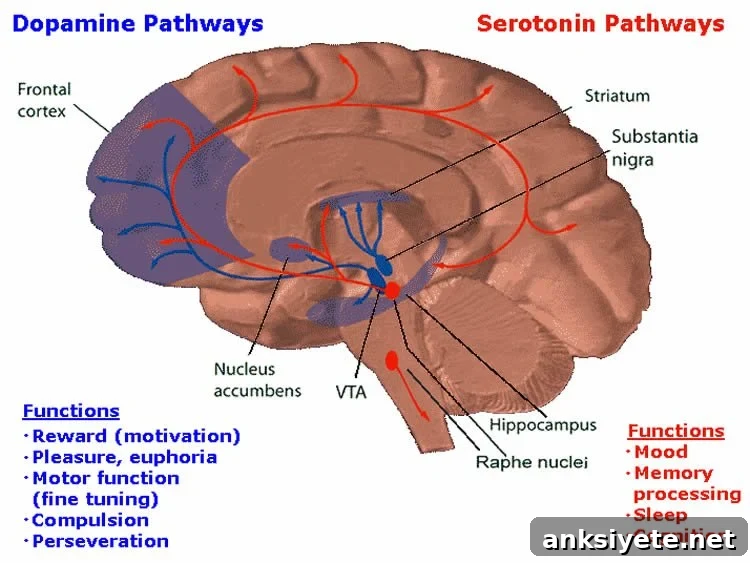
Summary: Researchers report that structures in the brain’s reward system are larger in women with a history of alcoholism than in nonalcoholic women, while those same structures are smaller in alcoholic men compared with nonalcoholic men.
Source: Mass General.
A collaborative study by researchers at Massachusetts General Hospital (MGH) and Boston University School of Medicine (BUSM) indicates that alcoholism may affect the brain’s reward circuitry differently in women and men.
Published in Psychiatry Research: Neuroimaging, the study examined long-term, currently abstinent individuals with alcohol use disorder and compared them with nonalcoholic control participants. The investigators found that the average volumes of reward-related brain structures—areas that include the amygdala and hippocampus—were larger in alcoholic women than in nonalcoholic women. This finding contrasts with replicated results showing that these structures are smaller in alcoholic men than in nonalcoholic men. The researchers also observed a link between length of sobriety and reduced size of the brain’s fluid-filled ventricles, a pattern that suggests possible recovery of brain tissue following prolonged abstinence.
“Until now, most volumetric studies of the reward regions were performed in men,” says co-author Gordon Harris, PhD, of the 3D Imaging Service and the Center for Morphometric Analysis in the Martinos Center for Biomedical Imaging at MGH. “Our results suggest that gender-specific differences exist and that taking sex into account may help inform more tailored approaches to treatment for alcoholism.”
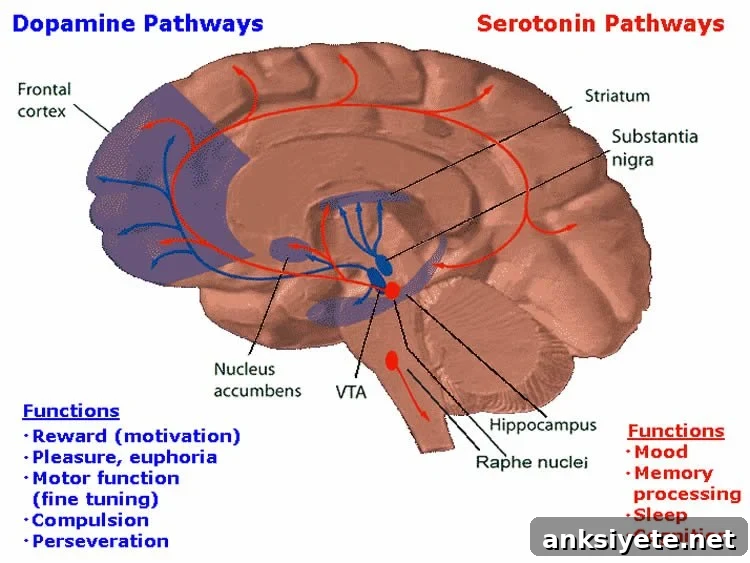
The brain’s reward system comprises several cortical and subcortical structures that reinforce beneficial experiences, support memory and decision-making, and are implicated in the development and maintenance of substance use disorders. Given known psychological and behavioral differences in alcohol use disorder—women more frequently present with higher anxiety, while men more often show antisocial traits—the investigators designed the study to determine whether the reward system differences previously reported in men would also be observed in women.
The study enrolled 60 long-term individuals with alcoholism (ALC), evenly split between women and men (30 women, 30 men), and 60 nonalcoholic control participants matched to these groups. Alcoholic participants had been abstinent for periods ranging from four weeks up to 38 years. All participants completed comprehensive medical histories and neuropsychological assessments conducted by the BUSM research team and then underwent MRI brain scans at the Martinos Center. The scans were analyzed for total brain volume and for volumes of reward-related structures.
Consistent with earlier research, the study found that in men with alcoholism the average sizes of reward-region structures were 4.1 percent smaller than in nonalcoholic men. In contrast, alcoholic women showed a 4.4 percent average enlargement of these same structures compared with nonalcoholic women. The investigators observed that factors such as the duration and intensity of heavy drinking tended to magnify these gender-specific patterns. However, the study design does not allow determination of causality—that is, whether these volumetric differences were present before the onset of alcoholism or developed as a consequence of prolonged alcohol exposure.
Among participants with a history of alcoholism, both women and men showed a decrease in ventricular volume with longer sobriety: each additional year of abstinence was associated with a 1.8 percent reduction in ventricular size. Because enlargement of the cerebral ventricles is a marker of brain atrophy, this negative association suggests partial structural recovery of the brain as sobriety continues.
“Next steps will examine in more detail how drinking severity and length of abstinence relate to specific brain regions, and whether the imaging differences correspond to gender-related distinctions in motivation and emotional processing,” says co-author Marlene Oscar-Berman, PhD, professor of Psychiatry, Neurology, and Anatomy & Neurobiology at BUSM.
The research team includes Gordon J. Harris (MGH), Kayle Sawyer (lead and corresponding author, BUSM), Marlene Oscar-Berman (BUSM), Olivier J. Barthelemy (BUSM), George M. Papadimitriou (Martinos Center), and Nikos Makris (Martinos Center). The study’s imaging and morphometric analyses assessed total brain volume and multiple cortical and subcortical reward-related regions such as the dorsolateral prefrontal cortex (DLPFC), orbitofrontal and cingulate cortices, temporal pole, insula, amygdala, hippocampus, nucleus accumbens, and ventral diencephalon.
Funding: This work was supported by grants from the National Institute on Alcohol Abuse and Alcoholism (R01-AA07112 and K05-AA00219), the Department of Veterans Affairs (I01-CX000326), the National Institute on Aging and National Institute of Mental Health (R01-AG042512), the National Center for Complementary and Integrative Health (R21-AT008865), and the National Center for Research Resources (P41RR14075).
Source: Terri Ogan – Mass General
Original research: Abstract for “Gender dimorphism of brain reward system volumes in alcoholism” by Kayle S. Sawyer, Marlene Oscar-Berman, Olivier J. Barthelemy, George M. Papadimitriou, Gordon J. Harris, and Nikos Makris, published in Psychiatry Research: Neuroimaging (published online March 5, 2017). doi:10.1016/j.pscychresns.2017.03.001
Abstract
Gender dimorphism of brain reward system volumes in alcoholism
Previous research has reported smaller reward-network volumes in men with alcoholism compared with nonalcoholic men, but reward-region volumes in alcoholic women were not well characterized. In this morphometric MRI study, 60 long-term individuals with alcoholism (30 men) and 60 matched nonalcoholic controls (29 men) were evaluated for total brain and reward-related cortical and subcortical volumes. Regions analyzed included the DLPFC, orbitofrontal and cingulate cortices, temporal pole, insula, amygdala, hippocampus, nucleus accumbens, and ventral diencephalon. Analyses revealed a significant gender-by-alcoholism interaction: alcoholic men had smaller total reward network volumes than control men, whereas alcoholic women had larger reward network volumes than control women. Subregion analyses showed parallel patterns with significant gender interactions in areas such as the DLPFC and ventral diencephalon. Across alcoholic participants, ventricular volume declined with longer abstinence, indicating a possible reduction of brain atrophy with extended sobriety.