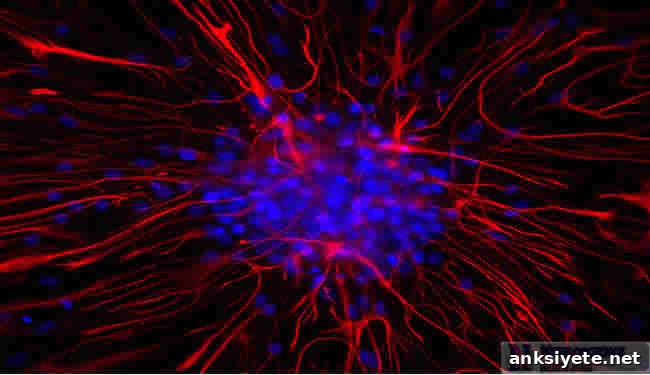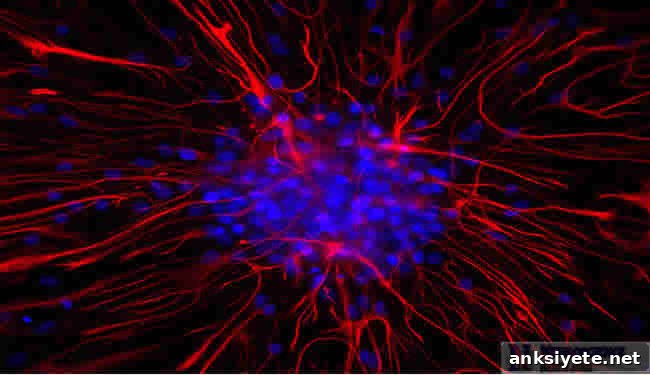
New research into memory formation indicates that lactate and astrocytes play a far more significant role in long-term memory than previously thought. The study, led by Cristina Alberini, PhD, at Mount Sinai School of Medicine, shows that lactate produced and transported by astrocytes is essential for consolidating long-term memories in mammals, with potential implications for Alzheimer’s disease, other neurodegenerative disorders, age-related cognitive decline, and diabetes-related memory impairment.
In controlled laboratory experiments, researchers used an inhibitory avoidance paradigm in rats to test memory formation. They injected an amnesic compound into the hippocampus that blocks glycogenolysis—the breakdown of glycogen stored primarily in astrocytes—and thereby prevented the learning-dependent release of lactate. Some rats received only the amnesic compound, while other animals were given the compound together with lactate. The injections were administered both before and after the learning sessions to assess effects on memory consolidation and maintenance.
The results were clear and consistent: rats treated only with the glycogenolysis-blocking compound showed severe deficits in long-term memory, failing to retain the avoidance behavior when tested later. By contrast, animals that received lactate alongside the blocking compound performed significantly better on long-term memory tests, whether the lactate was delivered before or after training. Short-term learning and immediate recall were not affected by the blockade or by lactate supplementation, indicating a specific requirement for lactate in long-term memory formation and stabilization.
To determine whether this effect is specific to lactate, the researchers also tested glucose, a well-known brain energy source. Equicaloric amounts of glucose given with the amnesic compound did not restore long-term memory. Only when the glucose dose was increased threefold did the researchers observe a temporary, partial improvement—suggesting that glucose is less efficient than lactate for the energetic needs of memory consolidation. These findings support the idea that astrocyte-derived lactate serves not simply as a metabolic substrate but as a uniquely effective fuel or signaling molecule during processes that underlie long-term memory.
Historically, astrocytes were considered primarily supportive cells that maintained the brain’s chemical balance and structural integrity. This study bolsters a growing body of evidence that astrocytes actively contribute to higher cognitive functions. Because astrocytes uniquely store glycogen—allowing them to mobilize lactate locally during periods of high neuronal demand—their role in supplying lactate appears crucial for sustaining the cellular and molecular events required for long-term memory consolidation.
While these experiments focused on inhibitory avoidance learning in rats, the findings raise important questions for future research. Additional behavioral paradigms, especially those that do not rely on fear conditioning, are needed to generalize the role of lactate and astrocyte-to-neuron metabolic coupling across different types of learning and memory. Investigations in other species and models of neurodegenerative disease will be important to determine therapeutic relevance.
Dr. Alberini and her team plan to further explore the mechanisms by which lactate supports long-term memory, including whether lactate acts primarily as an energy substrate, a signaling molecule, or both. Understanding these mechanisms could open new avenues for treating cognitive deficits associated with Alzheimer’s disease, dementia, aging, and metabolic disorders that disrupt brain energy metabolism.
This study, published in the March 4 issue of Cell, emphasizes that targeting astrocyte metabolism and lactate transport might represent a promising strategy for protecting or restoring long-term memory function. The research was supported by a grant from the National Institute of Mental Health.
Notes about this memory research article
Contact: Mount Sinai Press Office
Source: The Mount Sinai Hospital / Mount Sinai School of Medicine press release
Image Source: image adapted from a Creative Commons image by GE Healthcare on Flickr