
Summary: Deaths by suicide rose significantly during the week of a full moon, particularly among people aged 55 and older. The study also identified a daily peak in suicides between 3 and 4 p.m. and a monthly peak in September.
Source: Indiana University
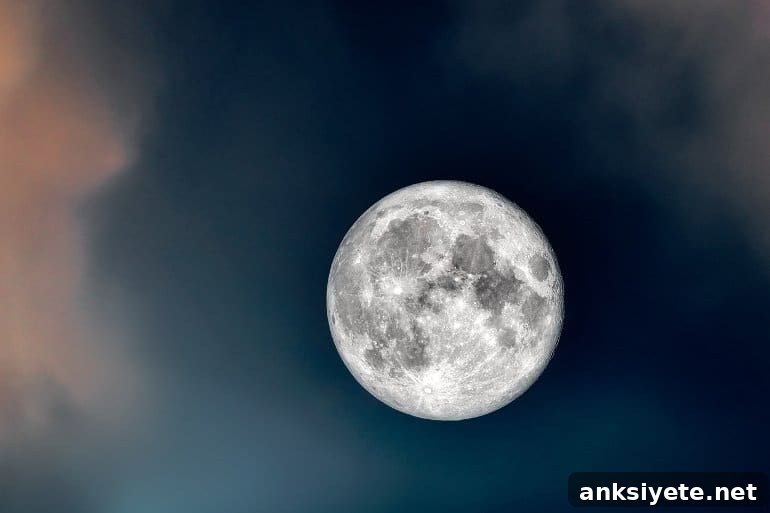
Psychiatrists at Indiana University School of Medicine report a measurable increase in deaths by suicide around the time of the full moon.
“We wanted to evaluate whether suicides increase during the period around full moons and whether high-risk patients should be monitored more closely at those times,” said Alexander Niculescu, MD, PhD.
Niculescu and colleagues examined records from the Marion County Coroner’s Office covering suicides that occurred from 2012 to 2016. Their analysis found a statistically significant rise in deaths by suicide during the week of the full moon, with the effect stronger in adults aged 55 and older.
In addition to lunar timing, the team assessed temporal patterns by hour of day and month of year. They identified a peak in suicides between 3 and 4 p.m. and a higher frequency of deaths in September.
The findings were published in Discover Mental Health.
“From both clinical and public health perspectives, this study highlights actionable time windows,” Niculescu said. “High-risk patients may warrant closer follow-up during the week of the full moon, in late afternoons, and possibly in September.”
The research team also explored biological mechanisms. Using existing blood samples collected by the coroner from a subset of individuals, they assessed a panel of previously identified blood biomarkers associated with suicidality.
“We tested a list of top blood biomarkers for suicidality that we had identified in earlier studies,” Niculescu explained. “The markers that predicted suicides occurring during the full moon, the peak hour, and the peak month tend to be genes involved in the body’s circadian clock.”
The investigators observed that several of these biomarkers overlap with genes that regulate circadian rhythms. This suggests ambient light and disruptions to the body’s internal clock could play a role in temporal increases in suicidality. They also found that people with depression or alcohol-use disorders appeared to have greater risk during these identified windows.
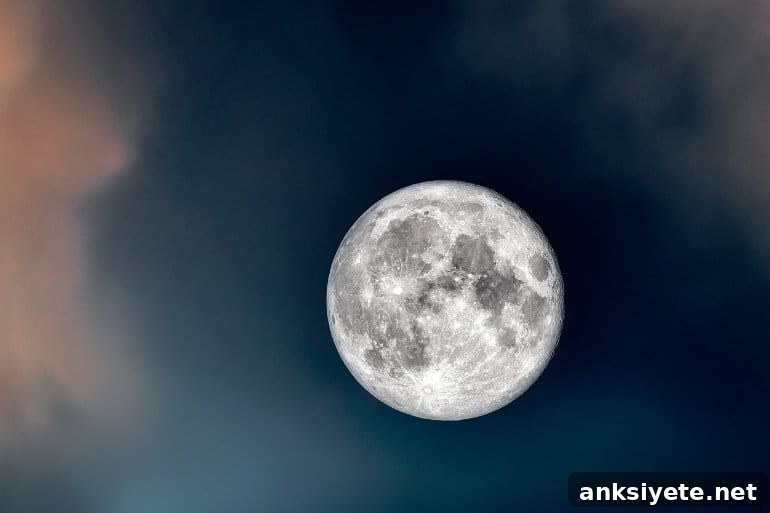
Niculescu noted that increased moonlight could be one factor affecting circadian biology. Ambient light is a major regulator of the circadian system, which controls sleep–wake cycles and daily hormone rhythms. Moonlight or other nighttime light exposure may shift or disturb those rhythms at times when darkness would normally occur.
“The relationship between ambient light, sleep, body clocks, and suicide deserves closer study,” Niculescu said. “Alterations in light exposure may affect vulnerable people, especially when combined with other risk factors.”
Regarding the late-afternoon peak, the researchers suggest accumulated daytime stressors and the waning of daylight late in the afternoon could lower expression of circadian clock genes and alter cortisol rhythms, contributing to greater risk between 3 and 4 p.m. For September, the end of summer routines, return to work or school, and decreasing daylight may contribute to increased stress and seasonal mood changes.
“Our results point to the full moon, the fall season, and late afternoons as temporal windows of heightened suicide risk, particularly among people with depression or alcohol-use disorders,” Niculescu said.
Future research will explore additional environmental contributors, including nighttime exposure to electronic screens. “Many people now carry a ‘full moon’ in their hand every night in the form of a bright screen,” Niculescu observed. “This is an important area for further investigation.”
About this mental health and suicide research news
Author: Christina Griffiths
Source: Indiana University
Contact: Christina Griffiths – Indiana University
Image: The image is in the public domain
Original Research: Open access.
“Temporal effects on death by suicide: empirical evidence and possible molecular correlates” by Alexander Niculescu et al. Discover Mental Health
Abstract
Temporal effects on death by suicide: empirical evidence and possible molecular correlates
Popular culture and medical lore have long suggested a connection between the full moon and exacerbations of psychiatric symptoms. To test this hypothesis, the authors analyzed pre-COVID suicide cases (n = 776) from the Marion County Coroner’s Office and found a significant increase in deaths by suicide during the week of the full moon (p = 0.037), with a stronger effect among individuals aged 55 and older (p = 0.019). They also identified a peak hour of the day (3–4 pm, p = 0.035) and a peak month (September, p = 0.09) for suicides in this dataset.
Blood samples were available for a subset of cases (n = 45), enabling exploration of molecular correlates. The team tested 154 blood biomarkers previously associated with suicidality to determine which markers predicted suicides during the identified temporal windows. The predictive biomarkers were enriched for circadian clock genes: for the full moon (AHCYL2, ACSM3, AK2, RBM3), for the peak hour (GSK3B, AK2, PRKCB), and for the peak month (TBL1XR1, PRKCI). Many of these genes are modulated by mood stabilizers such as lithium and valproate and are influenced by depression and alcohol use in the same direction as suicidality.
These findings suggest temporal effects on suicide risk that may be mediated by biological clocks and changes in ambient light. Addressing light exposure and circadian disruption could provide a therapeutic avenue to reduce suicidality alongside psychiatric and addiction treatments.