
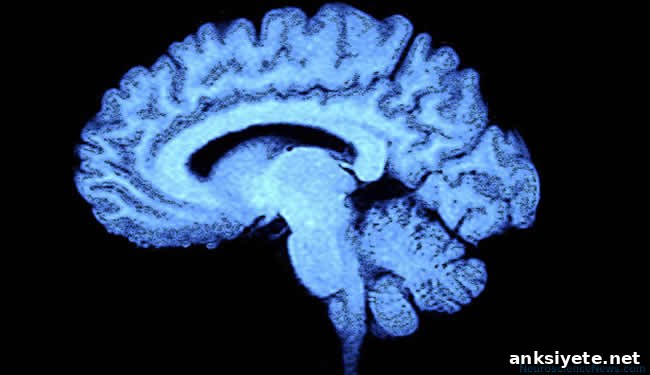
UK scientists have reported a major advance in brain tumor diagnosis that could benefit tens of thousands of patients.
Researchers led by Professor Francis Martin at Lancaster Environment Centre, Lancaster University, have demonstrated that infrared and Raman spectroscopy, when combined with robust statistical analysis, can reliably distinguish normal brain tissue from multiple types of brain tumor. The technique works by capturing a unique biochemical and cellular “fingerprint” from the tissue and using pattern recognition to separate healthy tissue from diseased tissue and to classify different tumor types.
Spectroscopy measures how light interacts with tissue to generate a spectrum — a detailed signal that reflects the molecular composition of the sample. In this study, Raman spectroscopy in particular proved effective on living tissue, producing accurate diagnostic information within seconds. That speed is crucial for potential intraoperative use, where rapid feedback could guide surgeons as they remove tumor while preserving healthy brain tissue.
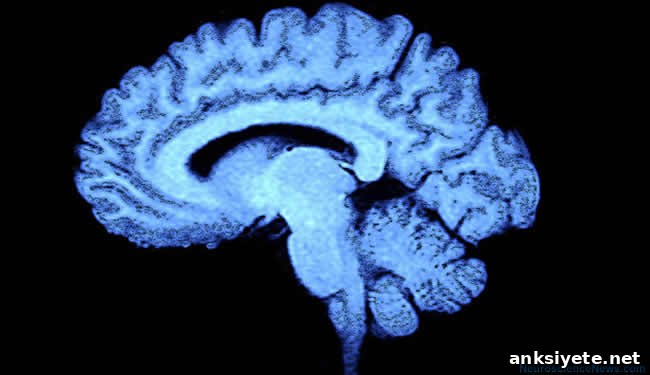
One of the most important outcomes of the work is the technique’s ability not only to separate normal and abnormal tissue but also to indicate whether a tumor originated in the brain or represents a secondary (metastatic) cancer from another part of the body. That diagnostic distinction can prompt further investigation to locate an otherwise undetected primary cancer and can influence treatment decisions and prognosis.
Professor Francis Martin commented that these findings are an exciting step toward more precise diagnostics for individuals with brain tumors. He and collaborating teams are working on developing a sensor that could be used during operations to give surgeons immediate, specific information about the tissue under the scalpel, improving the surgeon’s ability to achieve complete tumor resection while sparing healthy tissue.
Beyond surgical guidance, the spectroscopic fingerprinting approach complements conventional diagnostic methods such as immunohistochemistry. When combined, these approaches can improve diagnostic accuracy and tumor grading, supporting better planning for surgery, radiation therapy, or other treatments. The improved biochemical detail may also enable more personalized treatment strategies tailored to the tumor’s specific molecular profile, potentially improving long-term outcomes.
The method relies on discriminant analysis and other statistical techniques to interpret complex spectral data, converting raw spectra into clinically meaningful classifications. Because Raman spectroscopy is compatible with living tissue and provides results rapidly, it is particularly well suited for intraoperative decision-making and can be integrated into workflows that require fast, reliable tissue characterization.
While this research marks an important proof of concept, further development and validation are required before routine clinical deployment. Ongoing work will focus on engineering compact sensors suitable for the operating room, validating accuracy across larger and more diverse patient cohorts, and integrating spectroscopic output with surgical tools and imaging systems to create seamless intraoperative guidance.
In summary, infrared and Raman spectroscopy paired with statistical analysis show clear promise as a fast, non-destructive way to distinguish normal brain tissue from different tumor types and to indicate tumor origin. This fingerprinting approach could improve the precision of tumor removal, reduce damage to healthy brain tissue, support detection of metastatic disease, and help guide individualized treatment plans.
Notes about this brain tumor research
Contact: Lancaster University
Source: Lancaster University news release
Image source: Brain image adapted from the Lancaster University news release.
Original research: “Diagnostic segregation of human brain tumours using Fourier-transform infrared and/or Raman spectroscopy coupled with discriminant analysis” by Ketan Gajjar, Lara D. Heppenstall, Weiyi Pang, Katherine M. Ashton, Júlio Trevisan, Imran I. Patel, Valon Llabjani, Helen F. Stringfellow, Pierre L. Martin-Hirsch, Timothy Dawson and Francis L. Martin, Analytical Methods, published online 6 September 2012.