
Researchers in Canada report that training the brain’s alpha rhythm through neurofeedback strengthens a core cognitive-control network and is associated with decreased mind-wandering. The noninvasive training method, known as EEG neurofeedback, produced measurable changes in brain function after a single 30-minute session, suggesting a rapid form of neuroplastic modulation that may have implications for attention and mental health.
Neurofeedback trains people to voluntarily influence their own brain activity using a brain-computer interface. In the typical EEG setup, surface electrodes placed on the scalp record ongoing electrical activity. A connected computer processes those signals in real time and presents them back to the user through an interactive display or training task. Because the system continually feeds information about the user’s brain activity back to them, it is called a neurofeedback loop. This immediate feedback enables participants to learn to reproduce and sustain particular brain states under normal physiological conditions, harnessing the brain’s natural capacity for neuroplasticity—its ability to reorganize and adapt through repeated practice.
The new study, led by Tomas Ros and colleagues while at the University of Western Ontario, combined EEG neurofeedback with complementary neuroimaging techniques to examine how brief training affects brain networks that support cognitive control and attention. The researchers focused on the alpha rhythm, a prominent oscillatory pattern in the human brain linked to attention and internal thought processes. They discovered that a single 30-minute neurofeedback session could alter metabolic and functional coupling within a key network involved in cognitive control—changes that were still detectable with functional MRI up to thirty minutes after training.
Importantly, the degree of network change correlated with the individual level of alpha modulation achieved during neurofeedback. Participants who produced larger shifts in their alpha rhythm during training showed stronger increases in functional connectivity of the cognitive-control network and experienced greater reductions in mind-wandering during a subsequent attention task. These associations suggest that targeted EEG neurofeedback can bias brain function toward a state that supports more focused, less internally distracted processing.
Senior author Ruth Lanius emphasized the contrast with a control group that received sham feedback: “Compared to the lack of significant findings in the control group that received training with false feedback, our results clearly support a direct and plastic impact of neurofeedback on a central cognitive-control network. This provides a promising basis for exploring EEG neurofeedback as a treatment strategy for cognitive disorders.” The team notes that dysfunction in this cognitive-control network has been implicated in conditions such as attention-deficit/hyperactivity disorder (ADHD), schizophrenia, major depression, and post-traumatic stress disorder (PTSD).
While the study demonstrates rapid, measurable changes following a single training session, the authors urge further research to evaluate the clinical usefulness of EEG neurofeedback. Their findings encourage continued investigation into how repeated sessions, optimized training protocols, and patient-specific approaches might produce longer-lasting benefits. The researchers have already begun translating this work into clinical studies to determine whether patients with PTSD and other cognitive disorders can gain symptom relief or functional improvements from targeted alpha-rhythm neurofeedback.
Notes about this brain research
Contact: Tomas Ros – Neurology & Imaging of Cognition Lab, University of Geneva
Source: University of Western Ontario news; research conducted by the Neurology & Imaging of Cognition Lab, University of Geneva, Switzerland
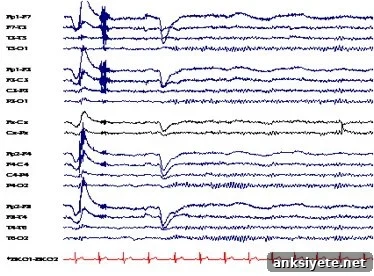
Image source: EEG image adapted from an overview of electroencephalography at NYU Langone Medical Center (image adapted for illustration)
Original research: “Plastic up-regulation of the salience network directly after EEG neurofeedback” by Tomas Ros, Jean Théberge, Paul A. Frewen, Rosemarie Kluetsch, Maria Densmore, Vince D. Calhoun, and Ruth A. Lanius, published in NeuroImage, online 26 September 2012 (DOI cited in the original report).