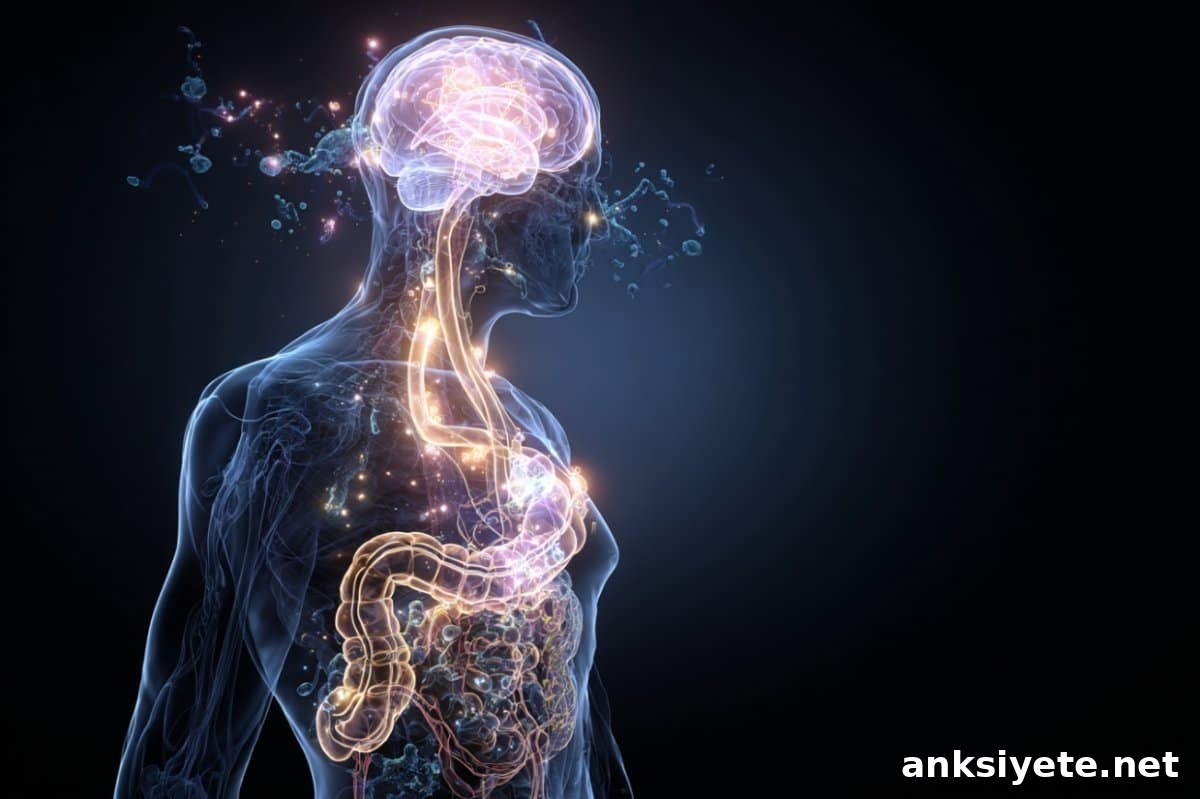
Summary: A new systematic review examined how medications used to treat bipolar disorder interact with the gut microbiome, revealing meaningful links between treatment response and gut microbial composition. The authors analyzed 12 studies that compared the gut microbiomes of medicated, unmedicated and healthy individuals to explore how psychotropic drugs and the gut-brain axis may influence clinical outcomes.
Across multiple studies, people who responded well to treatment—typically showing reduced depressive symptoms—had gut microbiome profiles more similar to healthy controls than did non-responders. These results point to a possible role for the gut-brain axis in shaping treatment effectiveness and raise the prospect of microbiome-informed, personalized strategies for managing bipolar disorder.
Key facts:
- Microbial predictors: Treatment responders tended to have gut microbial communities resembling those of healthy individuals.
- Bidirectional pathway: The gut-brain axis appears to influence both how psychotropic drugs act and how mood is regulated, suggesting two-way communication between gut microbes and the central nervous system.
- Research potential: These findings support further investigation into microbiome-based approaches to personalize bipolar disorder treatment.
Source: Microbiology Society
Overview of the review
This review, published in Microbiology, is the first to systematically gather and evaluate existing evidence on how psychotropic medications for bipolar disorder affect the gut microbiome and, conversely, how baseline microbial composition may influence treatment response. Bipolar disorder is a common and often disabling mood disorder characterized by episodes of mania and depression. Despite its prevalence, diagnosis and treatment are variable, and many patients do not achieve adequate symptom control with current therapies.
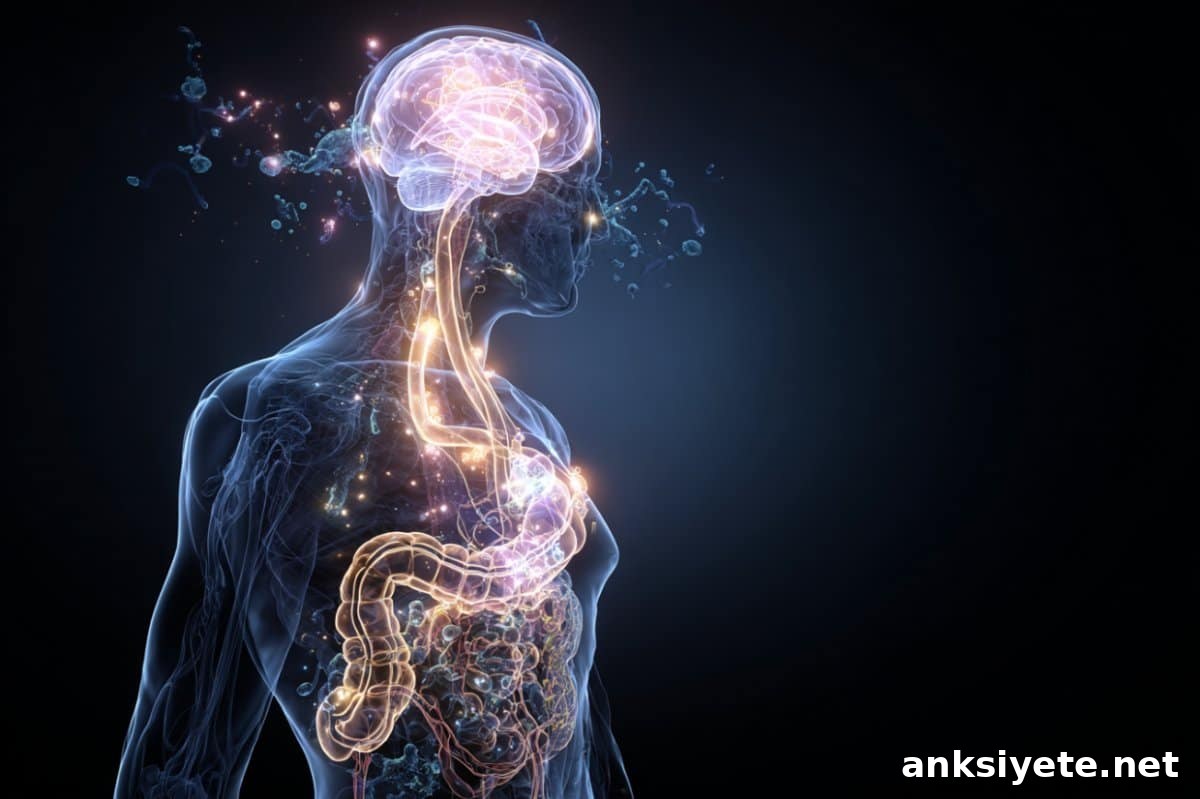
Previous work has documented differences in the gut microbiome of people with bipolar disorder compared with healthy individuals. Because the gut and brain communicate through the gut-brain axis—using neurotransmitters, immune signals, hormones and metabolic products—changes in gut microbial communities may influence brain function and vice versa. The new review sought to clarify whether psychotropic medications modify the gut microbiome and whether those microbial shifts relate to clinical outcomes.
The authors identified 12 studies that met inclusion criteria. These studies involved adults diagnosed with bipolar disorder (type I or II) and reported comparisons between medicated participants and either their pre-treatment state, unmedicated patients, or healthy control groups. The review focused on measurable changes in microbiome composition, diversity and associations with symptom improvement.
Overall, the evidence suggests a meaningful connection between psychotropic treatment, gut microbial changes and clinical response. In several studies, patients who experienced symptom improvement—particularly reductions in depressive symptoms—showed gut microbiome profiles that more closely matched those of healthy controls than did non-responders. Some psychotropic agents, including quetiapine and lithium, were associated with increases in bacterial taxa considered beneficial for gut health, alongside enrichment of taxa linked to metabolic disruption and, in some instances, antimicrobial resistance genes.
Sex differences were noted in some reports, with female patients showing larger shifts in microbial diversity following psychotropic treatment in at least one study. Neuroimaging findings reported in a subset of studies indicated that treatment responders also tended to display neural connectivity patterns that resembled healthy subjects, suggesting parallel shifts in brain function and gut composition among responders.
Despite these promising signals, the review emphasizes that causality remains unclear. It is not yet established whether medications directly alter gut microbiota in ways that then change brain function, or whether drug effects on brain function secondarily alter gut microbiome composition. The gut-brain axis is complex and influenced by diet, lifestyle, concurrent medications, comorbid conditions and study methodology.
The authors note several important limitations across the included studies: heterogeneous experimental methods, variable outcome measures, occasional inclusion of participants with other psychiatric diagnoses, limited control for confounding factors, incomplete statistical reporting in some reports and possible overlap of participant samples across studies. These issues reduce certainty and highlight the need for more rigorous, standardized research.
Nonetheless, the synthesis supports the potential of gut microbiota profiles as a biomarker to inform treatment selection and optimize outcomes in bipolar disorder. Future work should include longitudinal, controlled clinical trials that integrate microbial, molecular and neuroimaging data to clarify mechanisms, confirm reproducibility and test microbiome-targeted interventions that could complement existing psychopharmacological approaches.
An Bui, lead author from the Department of Psychiatry at the University of Alberta, notes that the directionality between drug exposure, gut microbiome changes and brain function remains unresolved and requires experimental study. Dr Andrew Greenshaw, co-author and professor of Psychiatry and Neuroscience at the University of Alberta, highlights the importance of synthesizing diverse findings to guide the design of future mechanistic and clinical research.
About this psychopharmacology and microbiome research news
Author: Clare Baker
Source: Microbiology Society
Contact: Clare Baker – Microbiology Society
Image: The image is credited to Neuroscience News
Original research: Open access. “Pharmaco-psychiatry and gut microbiome: a systematic review of effects of psychotropic drugs for bipolar disorder” by An Bui et al. Microbiology
Abstract
Pharmaco-psychiatry and gut microbiome: a systematic review of effects of psychotropic drugs for bipolar disorder
Bipolar disorder is a common and often debilitating mood disorder with complex pathogenesis, substantial inter-patient variability and inconsistent treatment effectiveness. The brain-gut-microbiota axis influences neurotransmitter secretion, gut peptides and systemic inflammation, all of which are relevant to bipolar disorder. However, how psychotropic treatments alter gut microbiota composition and what that means for clinical outcomes is still not well understood.
This systematic review searched major medical and scientific databases and screened 314 records, yielding 12 studies that met predefined inclusion criteria (search complete as of 13 August 2024). Included studies evaluated adults with bipolar disorder receiving psychopharmacological treatments and provided group comparisons addressing microbiome changes. Exclusions included single-case reports, incomplete conference abstracts and studies terminated early without efficacy data.
Data extraction and risk-of-bias assessment were performed by multiple reviewers using established tools, and findings were summarized without data conversion due to methodological heterogeneity. The review reports that psychotropic drugs can modify gut microbiota composition, sometimes increasing taxa associated with gut health and, in other cases, enriching bacteria linked to metabolic dysfunction and antimicrobial resistance traits. Responders to treatments such as quetiapine often exhibited microbial and neural connectivity profiles closer to healthy controls than non-responders.
Key limitations across the literature include heterogeneity in laboratory and analytic methods, potential confounding from comorbidities and medications, incomplete statistical reporting and risk of sample overlap. The review calls for further standardized, longitudinal and mechanistic studies to clarify the functional consequences of observed microbial shifts and to determine whether microbiome-informed approaches can improve treatment selection, reduce side effects and enhance outcomes for people with bipolar disorder.