
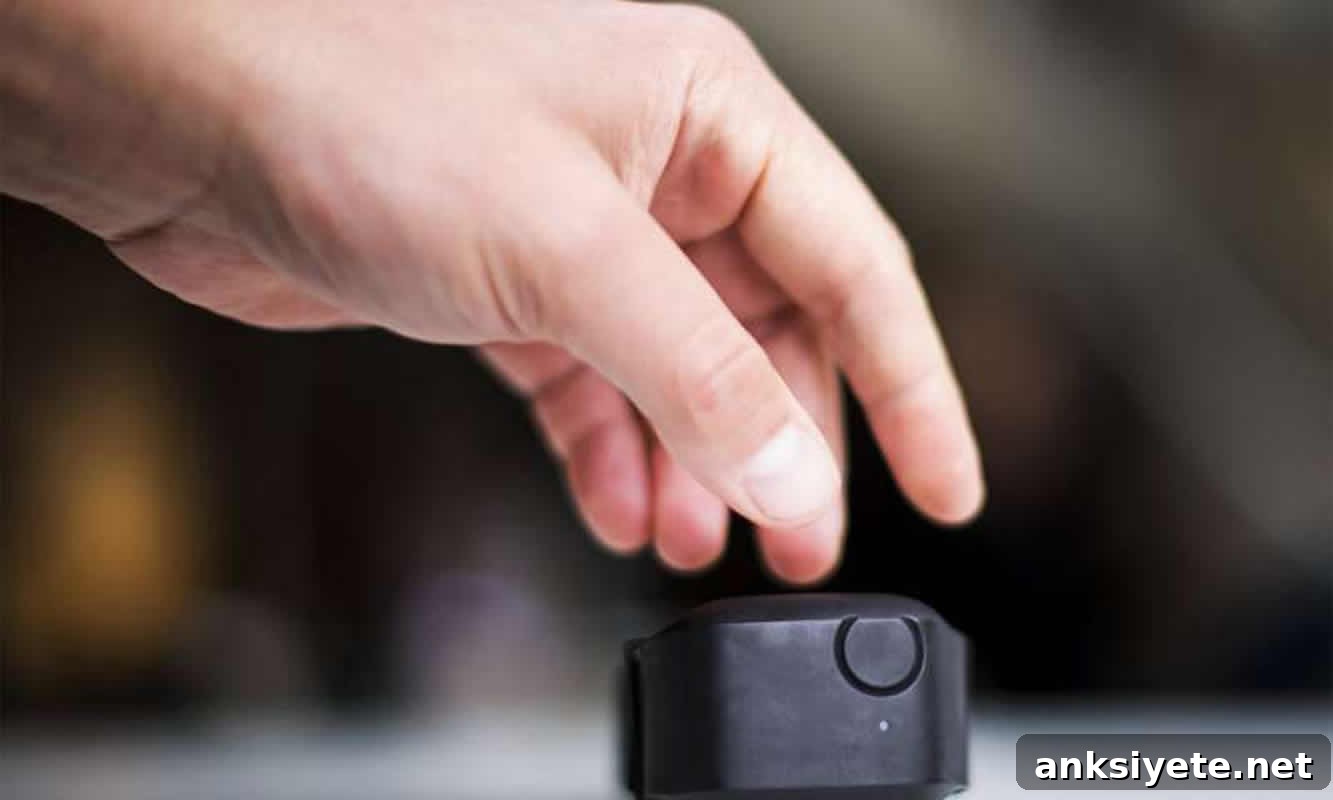
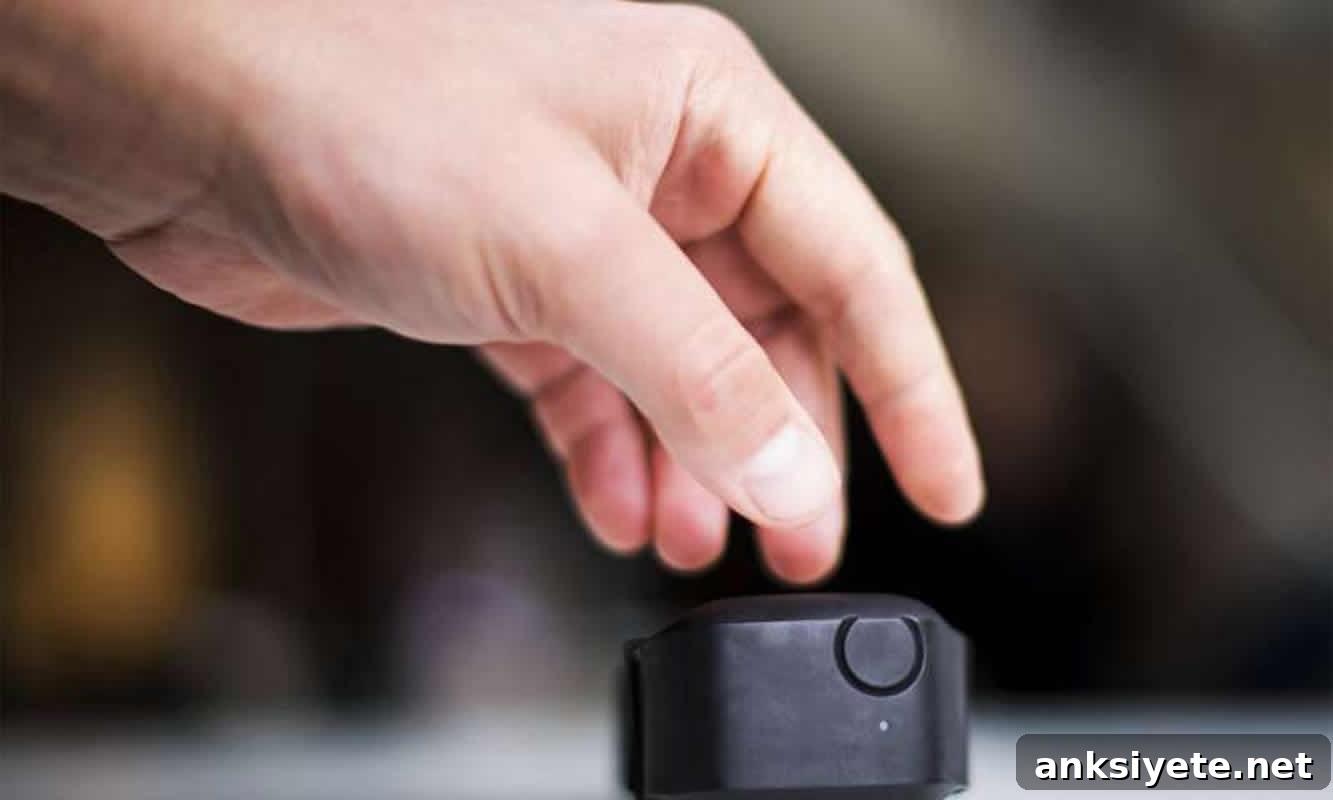
Summary: A new wearable wrist device can alert caregivers to an impending aggressive outburst by a person with autism about one minute before it occurs, by monitoring physiological signs of stress.
Source: Northeastern University
Overview: Predicting an event even 60 seconds before it happens may not sound like much, but for caregivers of people with autism spectrum disorder (ASD), one minute of warning can be the difference between a manageable situation and a harmful incident. Researchers at Northeastern University have developed a wearable sensor that detects physiological signals linked to rising stress and can warn caregivers before aggressive behavior begins.
Associate professor Matthew Goodwin, who holds appointments in the Bouvé College of Health Sciences and the Khoury College of Computer Sciences, designed a wrist-worn biosensor that continuously measures heart rate, sweat production, skin surface temperature, and arm movement. The device is intended to give caretakers actionable advance notice so they can intervene and reduce risk.
Individuals with autism often experience higher baseline stress and arousal levels than neurotypical people. Goodwin explains that many people with ASD are already operating near their physiological limit, so even a small trigger can push them past a tipping point that leads to an aggressive episode. Because some people with autism have limited ability to communicate their distress, caregivers may not realize an outburst is imminent until it occurs. A brief, reliable early warning could help caregivers take preventive steps and protect everyone involved.
Goodwin and his research team tested the wearable with 20 children diagnosed with autism who exhibit aggressive behaviors. Over 87 hours of observation, the team synchronized behavioral events with the biosensor clock to align each aggressive episode with the physiological signals recorded before, during, and after the event. By analyzing that synchronized data, the researchers found patterns that allowed them to predict aggressive outbursts approximately one minute in advance.
From the initial data set, the system predicted aggressive outbursts with about 84 percent accuracy. Goodwin cautions that this figure reflects the current sample size and models: “Those aren’t magic numbers. Those are just limitations of our data set,” he says. As the study grows and machine-learning techniques improve, he believes the device could provide longer warnings or even higher accuracy.
To expand the research, Goodwin has secured funding from the Department of Defense, the Simons Foundation, and the Nancy Lurie Marks Family Foundation. With this support, the team will increase the sample size to include 240 individuals with autism who display aggressive behaviors, enabling more robust modeling and validation across a wider range of people and settings.
Caregivers describe the toll that unpredictable aggression takes on daily life. Many families limit outings and social activities because they fear sudden episodes that are difficult to manage outside the home. Goodwin hopes the wearable will restore confidence and freedom for these families. “Some parents say that even if we can only give them 60 percent accuracy, that’s better than chance, which is what they’ve got now,” he reports. For many caregivers, even imperfect advance notice would be invaluable.
Potential applications of the technology include real-time alerts to caregivers, integration with behavioral intervention plans, and use in clinics or schools to improve safety and support. Future work will focus on refining the prediction algorithms, testing the device with a larger and more diverse group, and exploring how best to deliver alerts so caregivers can respond effectively without increasing stress for the person wearing the sensor.
Source:
Northeastern University
Media Contacts:
Emily Arntsen – Northeastern University
Image Source:
The image is adapted from the Northeastern news release.