
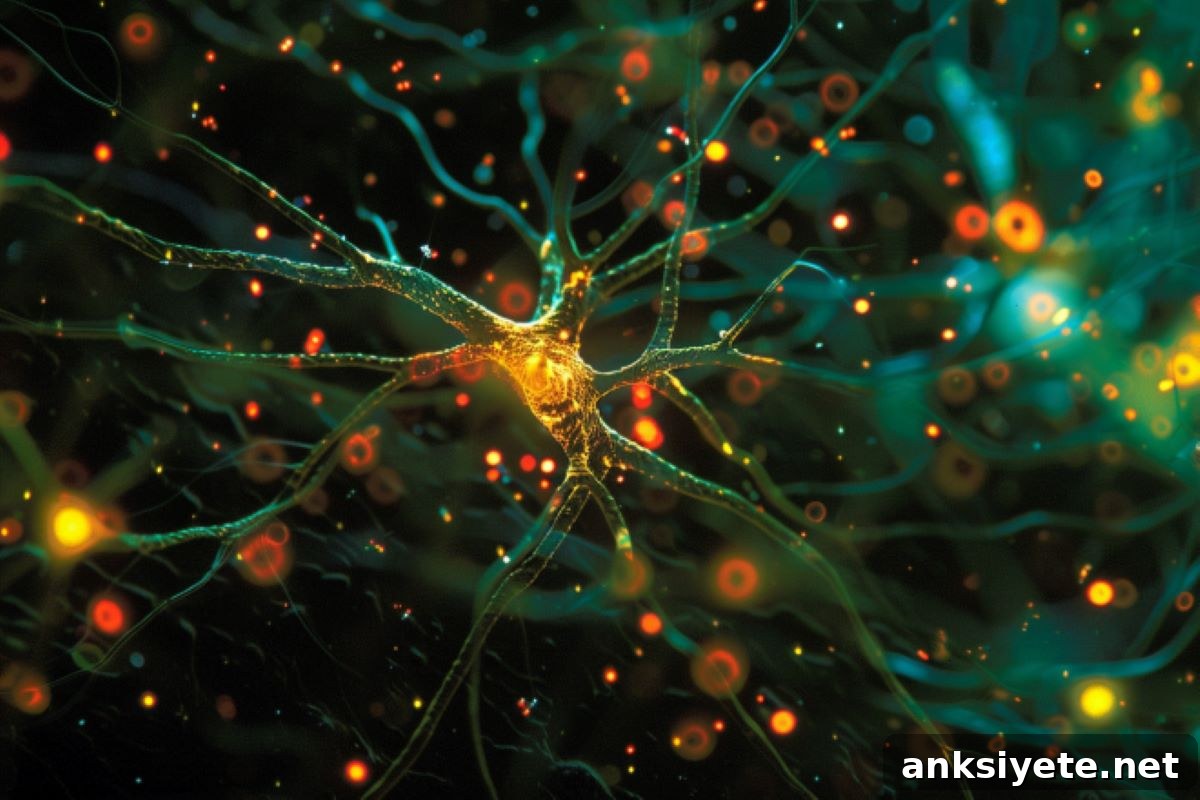
Summary: Researchers have found that different neuronal cell classes respond distinctly to external electrical stimulation (ES). Excitatory neurons phase-lock to both slow and fast stimulation frequencies, while inhibitory neurons, particularly fast-spiking types, prefer faster frequencies. These results point to new possibilities for targeted neuromodulation and improved brain therapies.
Using highly localized stimulation delivered within tens of micrometers of individual cells in mouse and human cortical tissue, the team mapped how oscillating electric fields affect both subthreshold membrane polarization and action-potential timing. The precision of these experiments allowed the researchers to observe entrainment at the single-cell level, revealing patterns that are consistent across cortical regions and species.
Published in Neuron, the study was led by scientists from the Allen Institute’s Brain and Consciousness group and Cedars-Sinai, with Soo Yeun Lee, Ph.D., as first author. The findings clarify how external electric fields interact with intrinsic neuronal properties, and they suggest strategies for designing frequency-specific stimulation protocols for clinical and research applications in electrophysiology, neuromodulation, and treatment of neurological disorders.
Key Facts:
- Neurons exhibit robust, cell-class-specific entrainment to sinusoidal electric fields.
- Excitatory pyramidal neurons synchronize with both slow and fast ES frequencies; inhibitory classes (for example parvalbumin-expressing fast-spiking cells) preferentially entrain to fast frequencies.
- The combination of generic membrane polarization and class-specific excitability explains spike-field entrainment.
- Results are reproducible across cortical regions and between rodent and human tissue, supporting translational relevance for neuromodulation.
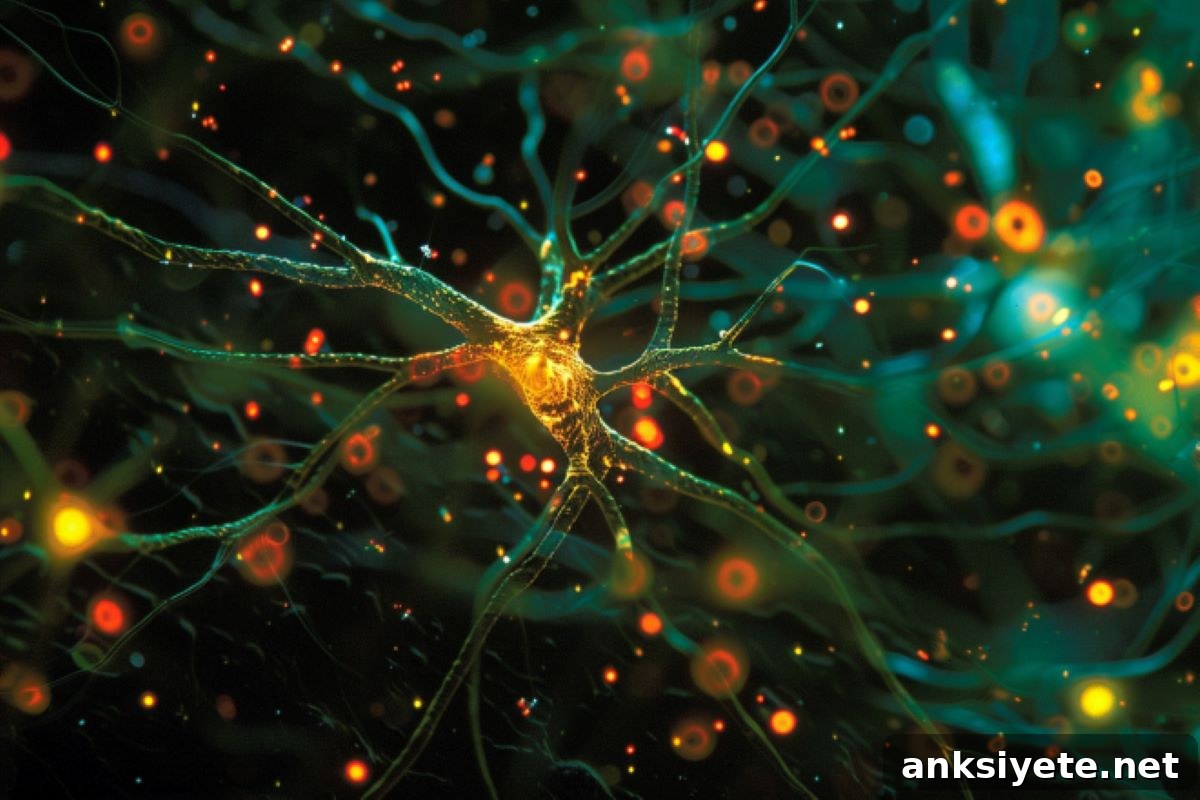
“With this study, we now have a much better idea of what types of stimulation work for specific cell classes,” said Soo Yeun Lee. “That knowledge can guide the development of more efficient and selective approaches to electrical stimulation for treating disorders and probing circuit function.”
The researchers applied oscillating electric fields near individually identified neurons and recorded both subthreshold responses and spike timing. They observed two principal mechanisms underlying entrainment: a broadly shared membrane polarization produced by the external field, and class-specific excitability dynamics that determine how spike timing aligns with the field. Together, these mechanisms produce reliable spike-field phase-locking patterns that vary by cell type and stimulation frequency.
A clinically relevant example is provided by inhibitory parvalbumin-expressing neurons, which are implicated in epilepsy and certain cognitive dysfunctions. Because these interneurons preferentially entrain to higher stimulation frequencies, stimulation protocols tuned to those frequencies might modulate pathological activity more effectively while sparing other cell classes. This frequency-selective targeting could help optimize therapeutic outcomes and reduce side effects in neuromodulation treatments.
Beyond clinical translation, the work contributes to fundamental understanding of how electric fields shape neuronal activity. The finding that entrainment properties are conserved across cortical areas and species supports a general principle: external electric fields impose membrane polarization broadly, but the resulting impact on spike timing depends on each cell class’s intrinsic dynamics. This insight refines how scientists interpret the effects of transcranial and intracranial stimulation techniques on brain circuits.
Funding: This research was supported by award numbers R01NS120300 and R01NS130126 from the National Institute of Neurological Disorders and Stroke (NINDS) of the National Institutes of Health. The content is the responsibility of the authors and does not necessarily represent the official views of the NIH.
About this electrophysiology research news
Author: Peter Kim
Source: Allen Institute
Contact: Peter Kim – Allen Institute
Image: The image is credited to Neuroscience News
Original Research: Open access. “Cell-class-specific electric field entrainment of neural activity” by Soo Yeun Lee et al., Neuron. The paper details experiments showing cell-class-dependent spike-field entrainment and the mechanisms that underlie these effects.
Abstract
Cell-class-specific electric field entrainment of neural activity
Highlights
- Neurons demonstrate robust entrainment to sinusoidal electric fields applied at near-cell distances.
- Subthreshold entrainment produces membrane polarization across cell classes.
- Spike-field entrainment depends on intrinsic excitability and stimulation frequency and is cell-class-specific.
- Field entrainment is observed across different cortical regions and in both rodent and human tissue, supporting translational relevance.
Summary
Electric fields influence neuronal and circuit dynamics, but the cellular rules that determine those effects were previously unclear. The limited mechanistic understanding has constrained both basic science and clinical neuromodulation. In this study, cortical neurons from rodents and humans were exposed to controlled oscillatory electric fields while recordings captured subthreshold polarization and spiking. Results show strong, frequency-dependent entrainment that differs by cell class: excitatory pyramidal neurons, which tend to fire more slowly, phase-lock to both slow and fast fields, whereas fast-spiking inhibitory types (including Pvalb and Sst classes) preferentially phase-lock to higher frequencies. The entrainment patterns arise from a combination of non-specific membrane polarization and class-specific excitability properties, and they are conserved across regions and species. These insights support the rational design of selective, class-specific neuromodulation strategies for research and clinical interventions.