
Lessons from a 1938 Study on Happiness: Implications for Policy and Wellbeing
Summary: Researchers revisited a 1938 community study and suggest its findings hold useful lessons for modern policymakers aiming to improve social wellbeing and happiness.
Background and source
Source: BPS (British Psychological Society)
Researchers from the University of Bolton have analysed a set of handwritten responses collected in 1938 that asked residents what happiness meant to them and their families. Sandie McHugh, together with colleagues Julie Prescott, Jerome Carson and Charlotte Mackey, transcribed and examined 226 letters submitted to a local competition run by the Bolton Evening News. Their analysis, presented at the Annual Conference of the British Psychological Society in Brighton, highlights recurring themes that remain relevant to current discussions about wellbeing and public policy.
Key themes from the 1938 letters
When the researchers reviewed the letters, three principal themes emerged repeatedly as central to people’s sense of happiness:
- Contentment and peace of mind: Many writers described happiness as having “enough” rather than accumulating wealth. Contentment and a calm mind were framed as priorities over material abundance.
- Family and home: A secure home life, healthy children and stable, happy marriages were frequently cited as core contributors to wellbeing. The household was portrayed as a refuge, providing rest and emotional support.
- Other people and community: Respondents often linked happiness with helping others and giving to those less fortunate. Strong social connections, reciprocity and acts of service were viewed as integral to personal fulfilment.
Work, leisure and community life in 1938
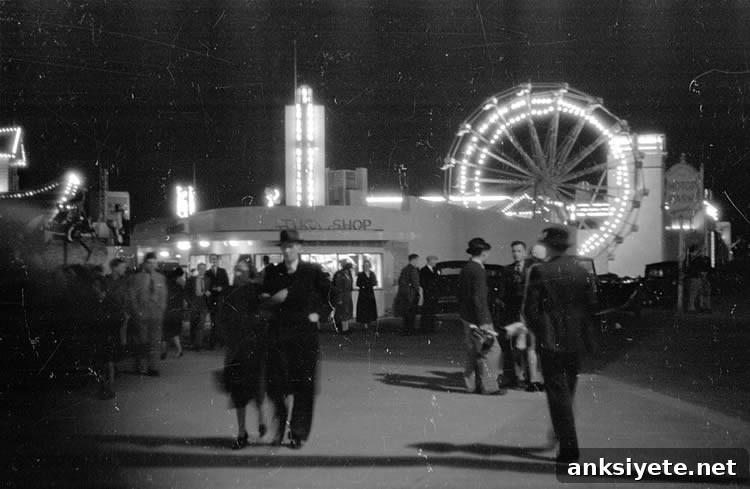
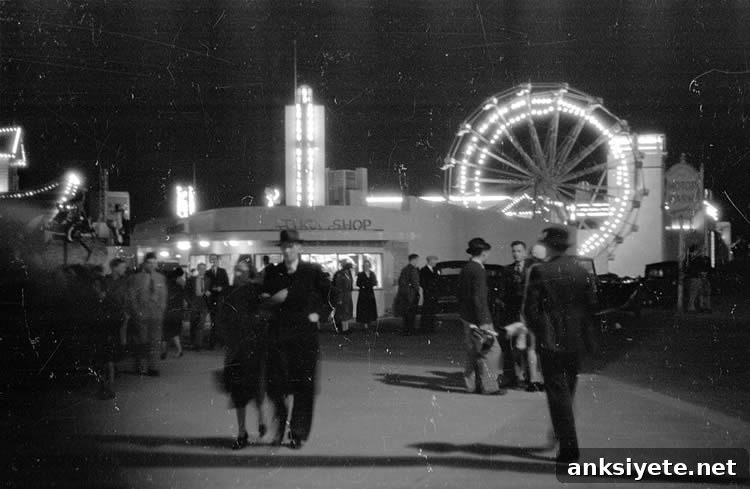
McHugh and colleagues emphasise that these shared values supported communities in an era before the modern welfare state and the National Health Service. Leisure for many residents was local and social: time spent in town centres, Lancashire seaside resorts such as Blackpool, workplaces, and local pubs featured heavily in accounts of enjoyment. People were active participants in their leisure and community life rather than passive consumers.
The researchers contrast that social, locally rooted leisure with present-day patterns of increasingly individualistic leisure and rising online activity. They suggest people consider whether their leisure time is predominantly passive — for example, consumed online — rather than spent in active, social pursuits that promote wellbeing.
Policy implications and concrete recommendations
Drawing on the themes identified in the letters, the researchers propose policy measures that could strengthen social wellbeing in towns similar to Bolton. Their recommendations focus on reviving and supporting the community structures and activities that foster connection, purpose and active leisure:
- Broaden access to public facilities such as libraries, leisure centres and school spaces for community use, encouraging them to act as hubs for social and recreational activity.
- Support and expand the voluntary sector, and encourage greater volunteer participation to build social ties, mutual support and local civic engagement.
- Create and promote more opportunities for active leisure — sport, group activities, clubs and outdoor pursuits — which contribute to physical health and social wellbeing.
These suggestions emphasise strengthening local infrastructure and community institutions that enable people to be both agents and participants in shared activities.
Measuring wellbeing and policy priorities
McHugh welcomes the shift by national agencies to measure wellbeing alongside economic indicators, noting that such measures can raise awareness and drive action. The research echoes broader views that wellbeing can serve as a measure of social progress and a legitimate goal for public policy, complementing traditional economic metrics.
Scientific evidence referenced by the researchers supports the idea that enjoyment, physical activity, and helping others all contribute to better health and greater happiness. Translating those findings into local initiatives — for example, by making public spaces more accessible, promoting volunteering, and offering affordable active leisure options — could help communities replicate some of the social strengths observed in the 1938 letters.
Conclusion
The 1938 letters provide a snapshot of how people thought about happiness during a period of different social provision. Their emphasis on contentment, family, and community suggests practical directions for modern policymakers: invest in shared spaces, support volunteerism, and promote active, social leisure. These are low-cost, high-impact approaches that can complement economic policy and contribute to healthier, happier communities.
Source: British Psychological Society (BPS).
Original presentation: Study findings presented at the Annual Conference of the British Psychological Society in Brighton.