
Summary: A new neuroimaging study finds that infants with Fragile X syndrome show less-developed white matter in the brain compared with infants who do not have the condition.
Source: University of North Carolina Health Care
Infant MRI Study Reveals Early White Matter Differences in Fragile X Syndrome
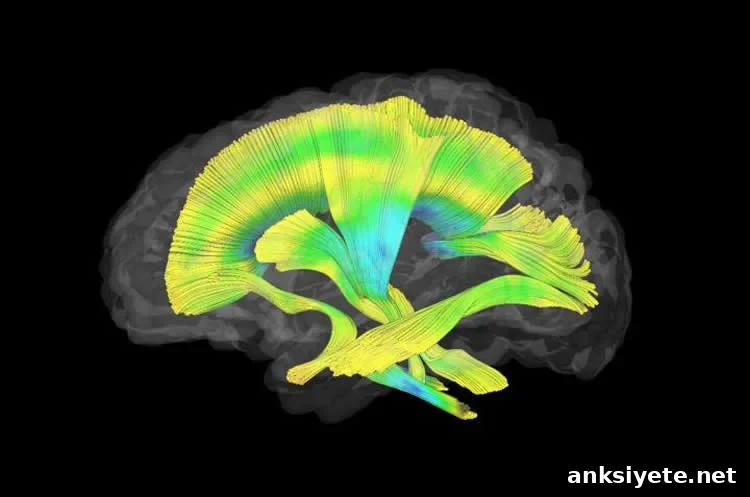
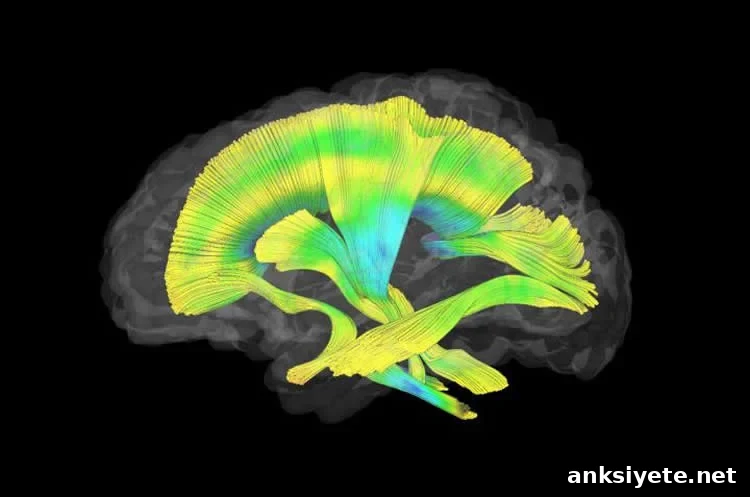
For the first time, researchers at the UNC School of Medicine have used magnetic resonance imaging (MRI) to document that babies who go on to be diagnosed with Fragile X syndrome have less-developed white matter than infants without the condition. By imaging white matter from multiple angles, the team could evaluate the brain circuitry that supports fast, reliable communication between neurons—circuitry that is essential for healthy early neurodevelopment.
The findings, published in JAMA Psychiatry, indicate that measurable brain differences related to Fragile X syndrome are present well before a clinical diagnosis is typically made at age three or later. The study supports the idea that earlier identification and intervention could benefit affected children and their families.
“It’s our hope that earlier diagnosis and intervention will help children with Fragile X and their families,” said Meghan Swanson, PhD, a postdoctoral research fellow at the Carolina Institute for Developmental Disabilities and co-first author on the study. “We also hope that this knowledge might inform drug development research.”
Fragile X syndrome (FXS) is a genetic neurodevelopmental disorder and the most common inherited cause of intellectual disability in males. Symptoms can include intellectual and developmental delays, challenges with social interaction, delayed speech, hyperactivity, repetitive behaviors, and increased rates of seizures. About one-third of individuals with Fragile X meet diagnostic criteria for autism spectrum disorder.
Clinical trials of drug treatments for Fragile X have struggled in part because of the difficulty in finding objective, reliable biomarkers that show treatment response. White matter development, measurable with diffusion MRI methods, may provide such an objective marker.
Study Design and Key Results
The researchers imaged the brains of 27 infants who later received an FXS diagnosis and 73 typically developing infants who did not develop the condition. Infants were scanned at ages roughly 6, 12, and 24 months. The team focused on 19 major white matter fiber tracts—bundles of myelinated axons that link different brain regions and enable fast neural communication. These tracts are analogous to cable bundles running across the brain, and their integrity is critical during the rapid brain growth of infancy.
Analysis of diffusion measures, including fractional anisotropy (a common index of white matter microstructure), revealed significant differences in 12 of the 19 fiber tracts. These differences were evident as early as six months of age. Infants who went on to be diagnosed with Fragile X showed consistently lower fractional anisotropy across pathways that connect subcortical and frontal regions, occipital and temporal regions, temporal and frontal regions, cerebellar-thalamic pathways, and several subdivisions of the corpus callosum.
For the affected fiber tracts, the group differences were stable across the ages studied, indicating that lower white matter integrity in specific pathways was already established by six months and persisted through the second year. In the Fragile X group, lower fractional anisotropy in the uncinate fasciculi correlated with lower scores on nonverbal developmental measures, linking microstructural differences to early developmental outcomes.
Implications and Next Steps
“These results substantiate what other researchers have shown in animal models about the role of fragile X gene expression in early white matter development,” said Jason Wolff, PhD, co-first author. The study highlights white matter circuitry as a promising and measurable target for early intervention strategies in Fragile X syndrome.
The authors note that implementing effective infant interventions would likely require expanded newborn screening and early detection programs to identify at-risk infants before symptoms emerge. Reliable neuroimaging biomarkers could also improve clinical trials by offering objective outcome measures to evaluate treatment effects.
Study Team and Funding
The study’s authors include Meghan R. Swanson, PhD; Jason J. Wolff, PhD; Mark D. Shen, PhD; Martin Styner, PhD; Annette Estes, PhD; Guido Gerig, PhD; Robert C. McKinstry, MD, PhD; Kelly N. Botteron, MD; Joseph Piven, MD; Heather C. Hazlett, PhD; and colleagues from the Infant Brain Imaging Study (IBIS) Network. Additional contributors include Mark Shen, Martin Styner, Joseph Piven, Annette Estes, Guido Gerig, Robert McKinstry, and Kelly Botteron, affiliated with institutions including the University of North Carolina at Chapel Hill, University of Washington, New York University, and Washington University in St. Louis.
Funding for the research was provided by the National Institutes of Health and the Simons Foundation. The data analyzed were collected between 2008 and 2016, and the study depended on the dedicated participation of families, many of whom had an older child already diagnosed with Fragile X.
Abstract (Summary)
The study titled “Development of White Matter Circuitry in Infants With Fragile X Syndrome” examined white matter development at 6, 12, and 24 months in 27 infants with FXS and 73 typically developing controls. Nineteen major white matter pathways were evaluated using diffusion MRI methods and anatomically informed atlases. Significant group differences were found in 12 of 19 pathways, with lower fractional anisotropy in multiple bilateral pathways and subdivisions of the corpus callosum, present from 6 months of age. Lower integrity of the uncinate fasciculi was associated with lower nonverbal developmental performance in infants with FXS. The results indicate that the neurodevelopmental effects of Fragile X syndrome are established early in infancy and that white matter measures may serve as objective biomarkers for early intervention and clinical trials.
Funding: National Institutes of Health; Simons Foundation.
Source: University of North Carolina Health Care, Mark Derewicz.
Publisher: NeuroscienceNews summary of the JAMA Psychiatry publication.
Original Research: JAMA Psychiatry, “Development of White Matter Circuitry in Infants With Fragile X Syndrome,” published April 4, 2018. DOI: 10.1001/jamapsychiatry.2018.0180.