
New research highlights the role of MHCI in astrocyte-driven motor neuron death in amyotrophic lateral sclerosis and identifies a potential therapeutic target
Amyotrophic lateral sclerosis (ALS), commonly known as Lou Gehrig’s disease, is a progressive neurodegenerative disorder that destroys motor neurons — the nerve cells that control voluntary muscles. As the disease advances, people with ALS lose the ability to walk, speak, swallow and eventually breathe. Understanding the cellular and molecular drivers of motor neuron death is essential for developing strategies that could slow or prevent disease progression.
Recent research from Nationwide Children’s Hospital provides new mechanistic insight into how astrocytes — the supportive glial cells of the central nervous system — can contribute to motor neuron death in ALS. Published in Nature Medicine, the study led by Brian Kaspar, PhD, at the Center for Gene Therapy in The Research Institute at Nationwide Children’s, shows that motor neurons in ALS lose expression of major histocompatibility complex class I (MHCI) molecules on their surface. This loss of MHCI leaves motor neurons vulnerable to toxic signals from ALS-derived astrocytes.
MHCI proteins on neurons interact with specific inhibitory receptors on neighboring cells to regulate immune and cellular responses. Each MHCI subtype pairs with matching receptors, similar to a lock-and-key mechanism. The investigators found that reduced MHCI on motor neurons removes a protective signal recognized by killer inhibitory receptors (KIRs) on astrocytes. In particular, the study implicates the MHCI subtype HLA-F as a protective molecule in human motor neurons and identifies the associated astrocyte receptors that mediate this interaction.
Using both human cells and animal models, the research team demonstrated that loss of MHCI expression is associated with increased motor neuron vulnerability. Conversely, increasing MHCI levels on motor neurons had protective effects. In an ALS mouse model, delivery of MHCI using an adeno-associated viral vector (AAV9) raised MHCI expression on motor neurons and extended survival and motor function. In human cell experiments, overexpressing HLA-F in motor neurons reduced their susceptibility to toxicity from ALS astrocytes.
These findings suggest that MHCI, and specifically HLA-F, functions as a crucial brake on astrocyte-mediated neurotoxicity. When MHCI is diminished, motor neurons no longer send the inhibitory signals recognized by astrocyte KIRs, and they become targets of astrocyte-induced cell death. The study further showed that reducing expression of the astrocyte receptor KIR3DL2 increased motor neuron death, supporting the importance of this receptor–ligand interaction in maintaining motor neuron survival.
Because MHCI appears to influence motor neuron resistance to both inherited and sporadic forms of ALS, modulating MHCI expression—or targeting the receptor interactions that detect it—represents a plausible translational strategy. Restoring or enhancing HLA-F on vulnerable motor neurons could potentially delay disease progression, although translating these preclinical results into safe and effective human therapies will require further work and rigorous clinical testing.
Beyond its role in immune surveillance, MHCI has established functions in neural development and synaptic plasticity. The current findings add to a growing body of evidence that MHCI is also relevant in neurodegeneration. By clarifying how MHCI loss renders motor neurons susceptible to astrocyte-derived toxicity, this work opens new avenues for research into disease-modifying therapies for ALS.
Dr. Kaspar emphasizes that while these results are encouraging, they represent an early but important step: “We are beginning to define the molecular signals that protect motor neurons from astrocyte-induced toxicity, but much remains to be learned before this knowledge can be translated into clinical treatment.” Continued studies will need to determine the safety, timing and efficacy of strategies that boost MHCI or modulate the relevant receptor pathways in patients with ALS.
Source: Gina Bericchia, Nationwide Children’s Hospital
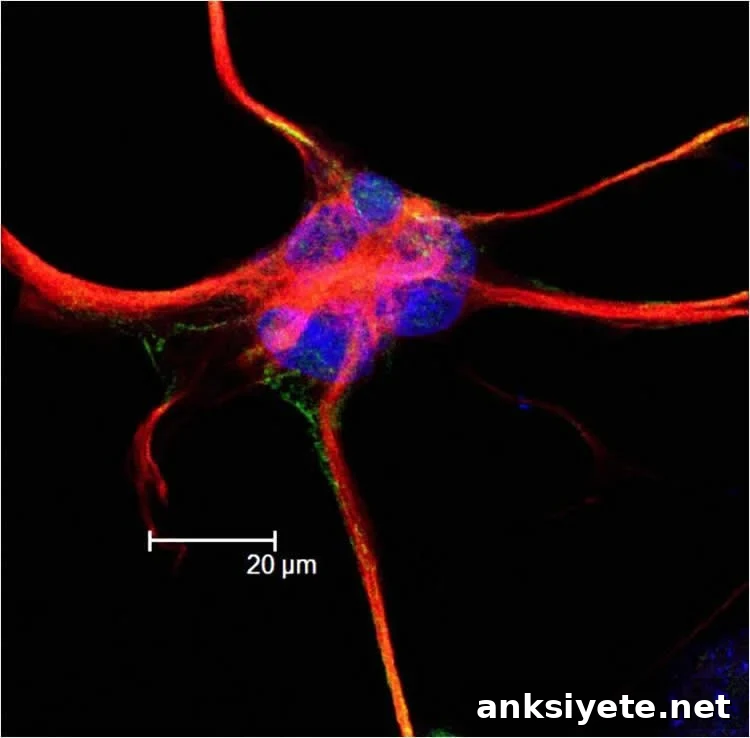
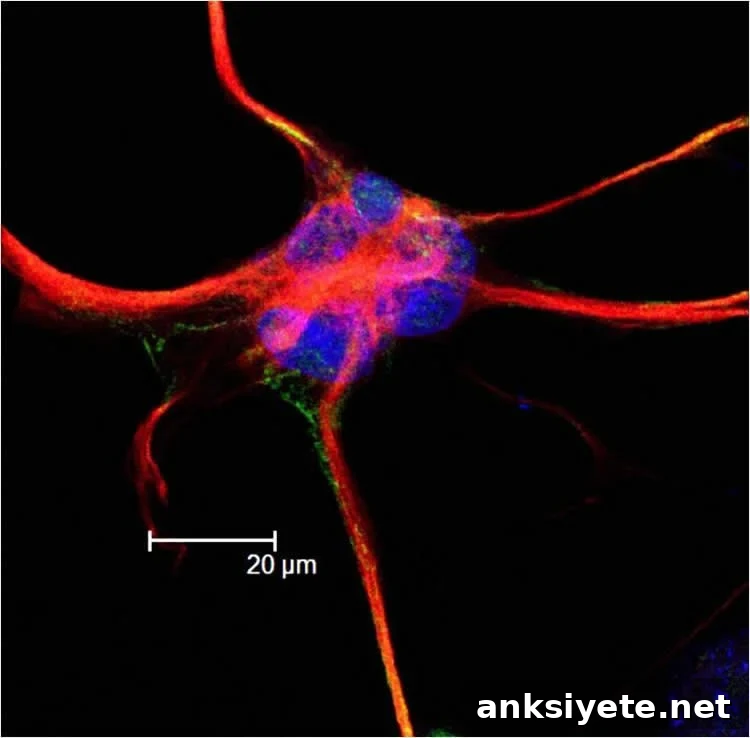
Image credit: Neurorocker (illustrative image, CC BY 3.0)
Original research: Study published in Nature Medicine titled “Major histocompatibility complex class I molecules protect motor neurons from astrocyte-induced toxicity in amyotrophic lateral sclerosis” by SungWon Song, Carlos J. Miranda, Lyndsey Braun, Kathrin Meyer, Ashley E. Frakes, Laura Ferraiuolo, Shibi Likhite, Adam K. Bevan, Kevin D. Foust, Michael J. McConnell, Christopher M. Walker and Brian K. Kaspar. Published online February 29, 2016.
Abstract
The study reports that astrocytes from both ALS patients and ALS-model mice reduce MHCI expression on motor neurons, and this reduction heightens motor neuron susceptibility to astrocyte-induced cell death. Increasing MHCI levels on motor neurons improves survival and motor performance in an ALS mouse model and protects motor neurons from astrocyte toxicity in vitro. Overexpression of a single MHCI molecule, HLA-F, protected human motor neurons against ALS astrocyte–mediated toxicity. Conversely, knockdown of the astrocyte receptor KIR3DL2 increased motor neuron death. Overall, the data indicate that loss of MHCI on motor neurons is a key event that renders them more vulnerable to astrocyte-mediated toxicity in ALS.