
Summary: Researchers report that six plant extracts previously identified can slow aging by targeting distinct cellular signalling pathways.
Source: Concordia University.
Montreal researchers clear an important hurdle in the pursuit of healthy longevity
Hearing loss, brittle bones, sagging skin and cognitive decline are among the many challenges associated with aging. For centuries people have sought ways to slow or reverse these changes. Now, a team of Montreal researchers is advancing the scientific effort to extend healthy lifespan by studying natural plant extracts that appear to influence the cellular processes that determine the pace of aging.
In a paper published in Oncotarget, scientists from Concordia University in collaboration with Idunn Technologies evaluated six plant extracts and how each one affects the signalling pathways that regulate cellular aging. The study used yeast as a model organism to map the extracts’ effects on conserved anti-aging and pro-aging pathways.
Vladimir Titorenko, a biology professor and the senior author of the study, emphasizes the translational potential of these findings: the six plant extracts are already classified by Health Canada as safe for human consumption, and five are recommended as supplements with clinically demonstrated benefits. That regulatory status makes them promising candidates for further research into interventions that might delay age-related diseases.
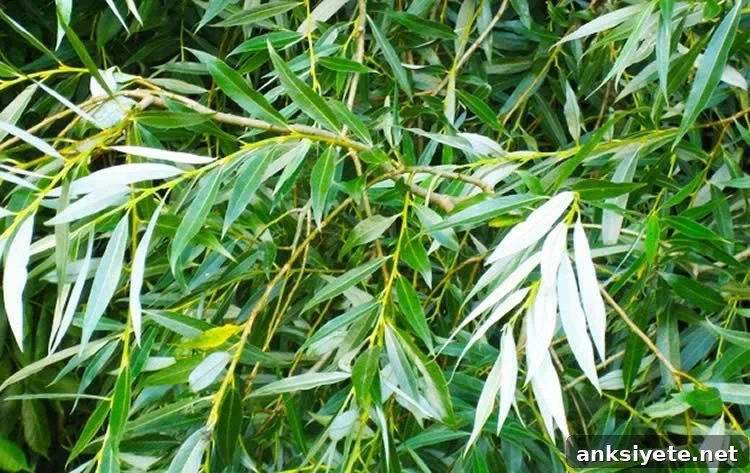
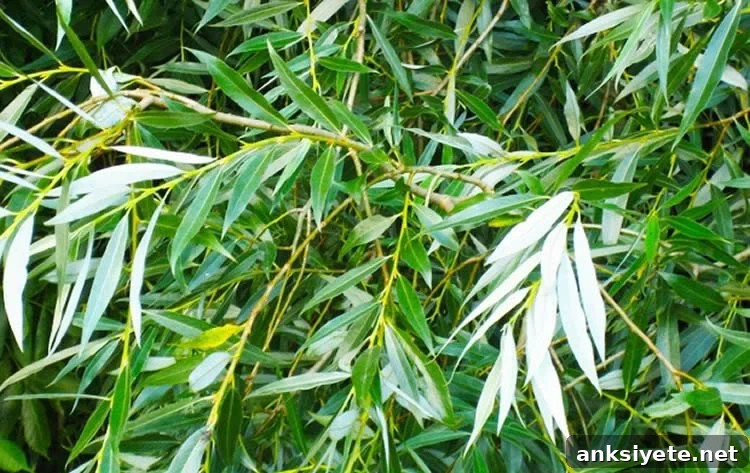
Among the extracts studied, one stood out for its potency. Salix alba, commonly known as white willow bark, proved to be the most effective aging-delaying pharmacological intervention observed in this work. The researchers identified its action through carefully controlled experiments in yeast, leveraging the fact that many core ageing mechanisms are conserved between yeast and humans.
Why use yeast? At the cellular level, aging in yeast follows many of the same biochemical patterns as in human cells. Aging is governed by networks of chemical reactions organized into signalling cascades—pathways that transmit information and regulate cellular responses. Some of these pathways, when activated, produce anti-aging or pro-longevity effects; others accelerate aging or promote cell death. Yeast provides a powerful, tractable model for dissecting how interventions alter these pathways.
Using the yeast chronological aging model, Titorenko and colleagues examined how information flow through key signalling pathways changed in response to each plant extract. Éric Simard, CEO of Idunn Technologies and a co-author, explains that each extract targets a different node in the network of anti-aging and pro-aging pathways, suggesting complementary mechanisms by which natural compounds can influence longevity.
The study highlights several notable characteristics of the six plant extracts as potential tools to mitigate chronic symptoms and diseases of aging:
- They mimic the lifespan-extending effects of caloric restriction in yeast, a dietary intervention known to slow aging across multiple species.
- They promote a mild cellular stress response that activates protective mechanisms linked to increased longevity.
- They extend yeast lifespan more effectively than any single chemical compound previously reported in similar models.
- They act through signalling pathways that are implicated in age-related diseases, suggesting relevance to human health conditions.
- One extract appears to operate via a previously uncharacterized pathway, opening new avenues for research.
- Collectively, evidence indicates these extracts can extend longevity and delay age-associated dysfunction in organisms beyond yeast.
“This study is an important step forward because these signalling pathways could eventually be harnessed to delay the onset and progression of chronic diseases associated with human aging,” says Simard.
The researchers note that delaying the key signalling events that drive aging could help reduce the risk or delay the progression of many chronic conditions that increase with age. These conditions include arthritis, diabetes, cardiovascular and kidney diseases, liver dysfunction, stroke, neurodegenerative disorders such as Parkinson’s and Alzheimer’s diseases, and various cancers.
Funding: This research was supported by grants from the Natural Sciences and Engineering Research Council of Canada and the Fonds québécois de la recherche sur la nature et les technologies.
Source: Cléa Desjardins, Concordia University
Image Source: Image adapted from the Concordia University press release.
Original Research: The peer-reviewed study is titled “Six plant extracts delay yeast chronological aging through different signaling pathways” by Vicky Lutchman, Pamela Dakik, Mélissa McAuley, Berly Cortes, George Ferraye, Leonid Gontmacher, David Graziano, Fatima-Zohra Moukhariq, Éric Simard and Vladimir I. Titorenko, published in Oncotarget.
Abstract
Six plant extracts delay yeast chronological aging through different signaling pathways
This study reports six plant extracts that slow chronological aging in yeast more effectively than previously described chemical compounds. Aging rate in yeast is controlled by a conserved network of integrated signalling pathways and protein kinases. Using single-gene-deletion yeast strains that disrupt individual pathways and kinases, the researchers determined how each mutation affected the extracts’ anti-aging efficiency. The findings suggest distinct mechanisms by which the extracts act: one extract reduces the ability of the pro-aging TORC1 pathway to inhibit the anti-aging SNF1 pathway; another modulates two branches of the pro-aging PKA pathway; a third coordinates processes not currently integrated into the known signalling network; one diminishes PKA’s inhibition of SNF1; another strengthens the anti-aging kinase Rim15; and a final extract inhibits a form of the pro-aging kinase Sch9 that is activated by the PKH1/2 pathway. These mechanistic insights identify multiple molecular targets and pathways through which natural compounds can delay cellular aging.