
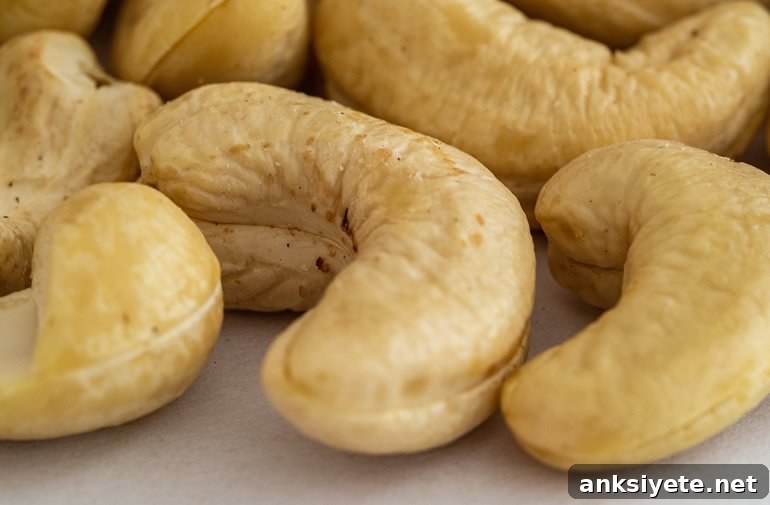
Summary: Anacardic acid, a compound derived from cashew shells, stimulates myelin repair in laboratory and animal studies. These findings point toward potential new therapeutic strategies for diseases marked by myelin loss, such as multiple sclerosis.
Source: Vanderbilt University Medical Center
Researchers at Vanderbilt University Medical Center report in the Proceedings of the National Academy of Sciences that anacardic acid, a natural compound from the cashew nut shell, enhances remyelination in experimental models.
“This discovery opens an encouraging path for developing therapies to counter the damage caused by multiple sclerosis and other demyelinating disorders,” said senior author Subramaniam Sriram, MBBS, William C. Weaver III Professor of Neurology and chief of the Division of Neuroimmunology.
Previous work from Sriram’s group demonstrated that interleukin 33 (IL-33), an immune-modulating protein, promotes myelin formation. Because IL-33 is involved in immune responses—and multiple sclerosis is an autoimmune disease—the team investigated compounds that induce IL-33 as possible remyelination therapies.
Anacardic acid attracted attention because it is known to inhibit histone acetyltransferase (HAT), an enzyme that affects gene expression. The research team had earlier found that HAT inhibition can trigger IL-33 production, suggesting a mechanistic link between anacardic acid, IL-33 induction, and myelin repair.
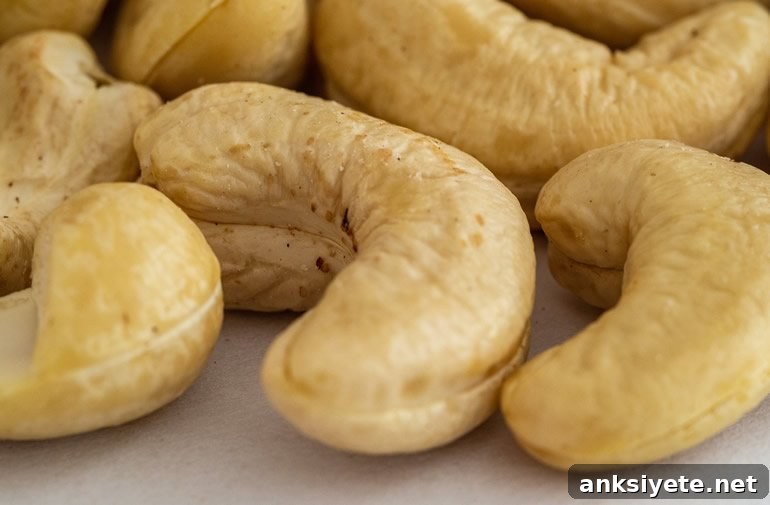
The study presents several lines of evidence supporting the potential therapeutic value of anacardic acid for demyelinating conditions:
- In cell culture experiments, adding anacardic acid to oligodendrocyte precursor cells (OPCs)—the cells responsible for generating myelin—rapidly induced IL-33 and increased expression of myelin-related genes and proteins. Notably, myelin basic protein levels rose in a dose-dependent manner.
- In two distinct animal models of demyelination, treatment with anacardic acid raised the proportion of OPCs expressing IL-33 and correlated with reductions in paralysis severity.
- In a mouse model using cuprizone to induce demyelination, treatment with anacardic acid produced dose-dependent improvements in myelination that were confirmed by electron microscopy, showing more robust myelin sheaths around axons.
Taken together, these results indicate that anacardic acid acts on OPCs to promote a gene expression program favorable to remyelination, in part through induction of IL-33. The effects were observed both in vitro and in vivo, strengthening the case for further preclinical investigation.
“The magnitude of the remyelination signals and the functional improvements seen in animal models are compelling and justify deeper exploration into dosing, delivery, and safety,” Sriram added. While promising, these findings are an early step and require extensive follow-up before any clinical application can be considered.
Clinical and research implications
If subsequent studies confirm safety and efficacy, anacardic acid or derivatives that modulate the same molecular pathways could become part of strategies to enhance endogenous repair in central nervous system disorders. Potential research priorities include determining the optimal therapeutic window, understanding long-term effects on immune signaling and myelin maintenance, and evaluating whether similar benefits occur in other models of demyelination.
About this research article
Source:
Vanderbilt University Medical Center
Contacts:
Craig Boerner – Vanderbilt University Medical Center
Image Source:
The image is credited to Vanderbilt University Medical Center.
Original Research:
Closed access
“Anacardic acid induces IL-33 and promotes remyelination in CNS” by Åsa Ljunggren-Rose, Chandramohan Natarajan, Pranathi Matta, Akansha Pandey, Isha Upender, and Subramaniam Sriram. PNAS.
Abstract
Anacardic acid induces IL-33 and promotes remyelination in CNS
Because IL-33 has demonstrated neuroreparative effects in experimental central nervous system injury, the investigators hypothesized that molecules inducing IL-33 could promote remyelination. Screening identified anacardic acid as a candidate therapeutic agent. In cultured oligodendrocyte precursor cells (OPCs), anacardic acid rapidly upregulated myelin genes and proteins, indicating a direct activation of gene programs linked to myelination. Treatment also induced IL-33 expression in OPCs. In animal studies, doses ranging from 0.025 mg/kg to 2.5 mg/kg improved histopathological outcomes in experimental allergic encephalomyelitis (EAE) and in the cuprizone model of demyelination and remyelination. Electron microscopy of cuprizone-treated mice given anacardic acid revealed lower g-ratio values compared with controls, consistent with increased remyelination. In the EAE model, improvements in paralysis scores occurred when therapy was started either before or after the onset of symptoms. In both models, regions of myelin loss that were likely to remyelinate showed greater recruitment of IL-33–expressing OPCs in animals treated with anacardic acid compared with controls.
These findings identify anacardic acid as a promising lead for further investigation into therapies that enhance endogenous remyelination, with potential relevance to multiple sclerosis and other demyelinating diseases. Additional studies are required to evaluate safety, pharmacokinetics, and long-term effects before clinical translation can be considered.