
MU researcher finds biological component of “prosocial” behavior linked to social anxiety.
Genetic research is increasingly illuminating the biological underpinnings of human behavior. A team led by a University of Missouri researcher reports evidence that prosocial behavior—actions like volunteering, helping others, and providing social support—can be linked to a gene associated with social anxiety. The study suggests that reducing social anxiety in people genetically predisposed to it could increase their likelihood to engage in prosocial acts.
“Prosocial behavior is closely tied to strong social skills and is widely considered an indicator of personal health and well‑being,” said Gustavo Carlo, Millsap Professor of Diversity in MU’s College of Human Environmental Sciences. “People who participate in social activities and help others are more likely to enjoy better health, perform well academically, experience career success, and develop interpersonal relationships that buffer stress.”
The researchers examined variation in a serotonin‑related gene (commonly studied as the 5‑HTTLPR triallelic genotype) and found that, on average, individuals who carry the genotype associated with higher levels of social anxiety were less likely to behave prosocially. In other words, genetic differences that influence social anxiety appear to partially explain why some people are more willing or able to help others than others.
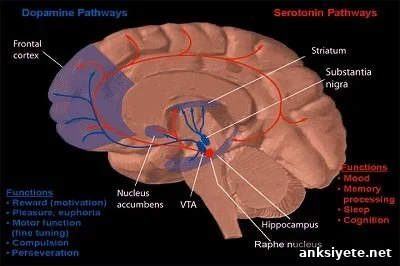
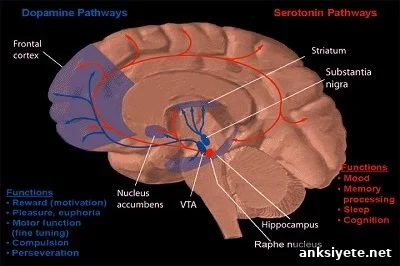
“Previous work has shown that the brain’s serotonin neurotransmitter system plays an important role in regulating emotions,” said Scott Stoltenberg, associate professor at the University of Nebraska‑Lincoln and co‑author of the study. “Our findings suggest that individual differences in social anxiety levels are influenced by variation in this serotonin system gene, and that those differences help to explain, at least in part, why some people are more inclined toward prosocial behavior than others. This shows that biological factors are important influences on social interaction.”
Because the study links genetically influenced anxiety with reduced prosocial behavior, the authors argue that targeted efforts to help people cope with social anxiety could increase their participation in helpful, community‑oriented actions. Such efforts might include encouragement and social support, counseling, and—when appropriate—medical treatments aimed at reducing debilitating anxiety symptoms.
“Some forms of anxiety can be profoundly limiting,” Carlo said. “When someone experiences severe social anxiety or conditions such as agoraphobia, they often avoid public settings and large gatherings, which removes many opportunities to engage in prosocial acts.” By addressing anxiety symptoms, clinicians, families, and communities may help individuals reconnect with social roles that provide both personal meaning and communal benefit.
Carlo also emphasized the complexity of separating environmental influences from biological ones. “The nature‑versus‑nurture debate remains important,” he said, “but contemporary models of human behavior increasingly focus on how biology and environment interact.” Much of Carlo’s prior work has explored how family relationships and other environmental factors shape prosocial development. This genetic study complements that research by clarifying how biological predispositions contribute to individual differences in helping behaviors.
The study, titled “Afraid to help: Social anxiety partially mediates the association between 5‑HTTLPR triallelic genotype and prosocial behavior,” was co‑authored by Gustavo Carlo, Scott F. Stoltenberg, and Christa C. Christ. It was published in the September 2013 issue of Social Neuroscience, which also included a commentary discussing the findings and their implications.
Understanding the biological contributions to social behavior does not diminish the importance of social context. Rather, integrating genetic insights with knowledge about upbringing, relationships, and social environments can help researchers, clinicians, and policymakers design interventions that support both individual well‑being and community health.
Notes
Contact: Jesslyn Chew — University of Missouri
Source: University of Missouri press release
Image source: The serotonin pathway image is credited to the NIH and is in the public domain.
Original research: Abstract for “Afraid to help: Social anxiety partially mediates the association between 5‑HTTLPR triallelic genotype and prosocial behavior” by Scott F. Stoltenberg, Christa C. Christ, and Gustavo Carlo in Social Neuroscience. Published online September 2013.
Categories: psychology, genetics