
Summary: A new study challenges the common assumption that burnout is primarily driven by workplace conditions while depressive symptoms are mainly shaped by personal factors. Researchers report that the factors linked to burnout overlap substantially with those that predict depressive symptoms, suggesting a closer relationship between the two than previously recognized.
Source: Medical University of South Carolina
An article published in the Journal of General Internal Medicine examines the link between burnout and depressive symptoms among medical interns.
The paper is authored by Constance Guille, M.D., an associate professor in the Department of Psychiatry and Behavioral Sciences at the Medical University of South Carolina, with Lisa Rotenstein, M.D., an internal medicine resident at Harvard Medical School/Brigham and Women’s Hospital, and other collaborators.
Rotenstein says the study helps correct a long-standing misconception about burnout and depression.
“There is a long-standing thought that burnout is associated with workplace factors and that depressive symptoms are associated with workplace factors but also heavily influenced by personal factors,” Rotenstein explained. “We found that the factors that drive burnout are much more closely related to the factors that drive depressive symptoms than previously realized.”
The team surveyed 1,552 medical interns entering residency programs at 68 institutions. Participants completed validated measures of depressive symptoms, emotional exhaustion and depersonalization, and answered questions about potential contributing factors. Depressive symptoms were measured with the 9-item Patient Health Questionnaire (PHQ-9), while emotional exhaustion and depersonalization were assessed using a 9-item abbreviated Maslach Burnout Inventory. Workload and learning environment satisfaction were evaluated with a standardized instrument. Personal variables included age, gender, ethnicity, relationship status, sexual orientation, parenting status, specialty, self-reported history of depression, early life stress and neuroticism score.
The study found substantial overlap between the predictors of depressive symptoms and the predictors of burnout. Approximately two-thirds of the variance in both depressive symptoms and burnout was attributable to personal factors, while about one-third of the variance was linked to workplace factors. These results indicate that personal and workplace influences both play important and overlapping roles in driving burnout and depressive symptoms among early-career physicians.
Burnout has long suffered from inconsistent definitions—more than 142 definitions appear in the literature—making rates of burnout among interns, residents and attending physicians highly variable across studies. In contrast, depressive symptoms are well defined and clinically validated. Given these differences, the study suggests that screening for depressive symptoms using validated tools like the PHQ-9 could serve as a standardized alternative or complement to current approaches for assessing burnout in medical personnel.
The findings also imply that interventions designed to reduce burnout may simultaneously reduce depressive symptoms, and vice versa. Practical strategies cited by the authors include using scribes or other documentation support to reduce administrative burdens, implementing time banking for physician service to reward extra work with time off or resources, and providing services such as childcare to lessen stress for physicians with family responsibilities. By addressing common contributing factors, institutions may be able to target both burnout and depression more effectively.
For Guille, the implications are straightforward.
“Previous to this work, depression and burnout were conceptualized as separate entities with different factors contributing to these outcomes,” Guille explained. “This work suggests there is substantial overlap between both workplace and personal factors that contribute to an increase in both depressive symptoms and burnout.”
About this neuroscience research article
Source:
Medical University of South Carolina
Media Contacts:
Heather Woolwine – Medical University of South Carolina
Image Source:
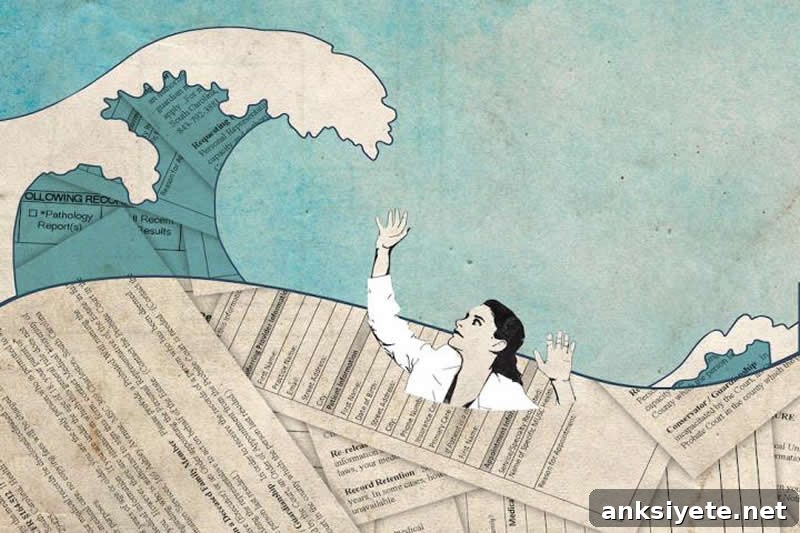
Image credited to Emma Vought, Medical University of South Carolina.
Original Research: The study will appear in Journal of General Internal Medicine.
This research highlights the intertwined nature of burnout and depressive symptoms among medical trainees, emphasizing the need for integrated, evidence-based approaches to assessment and intervention that consider both personal and workplace contributors.