
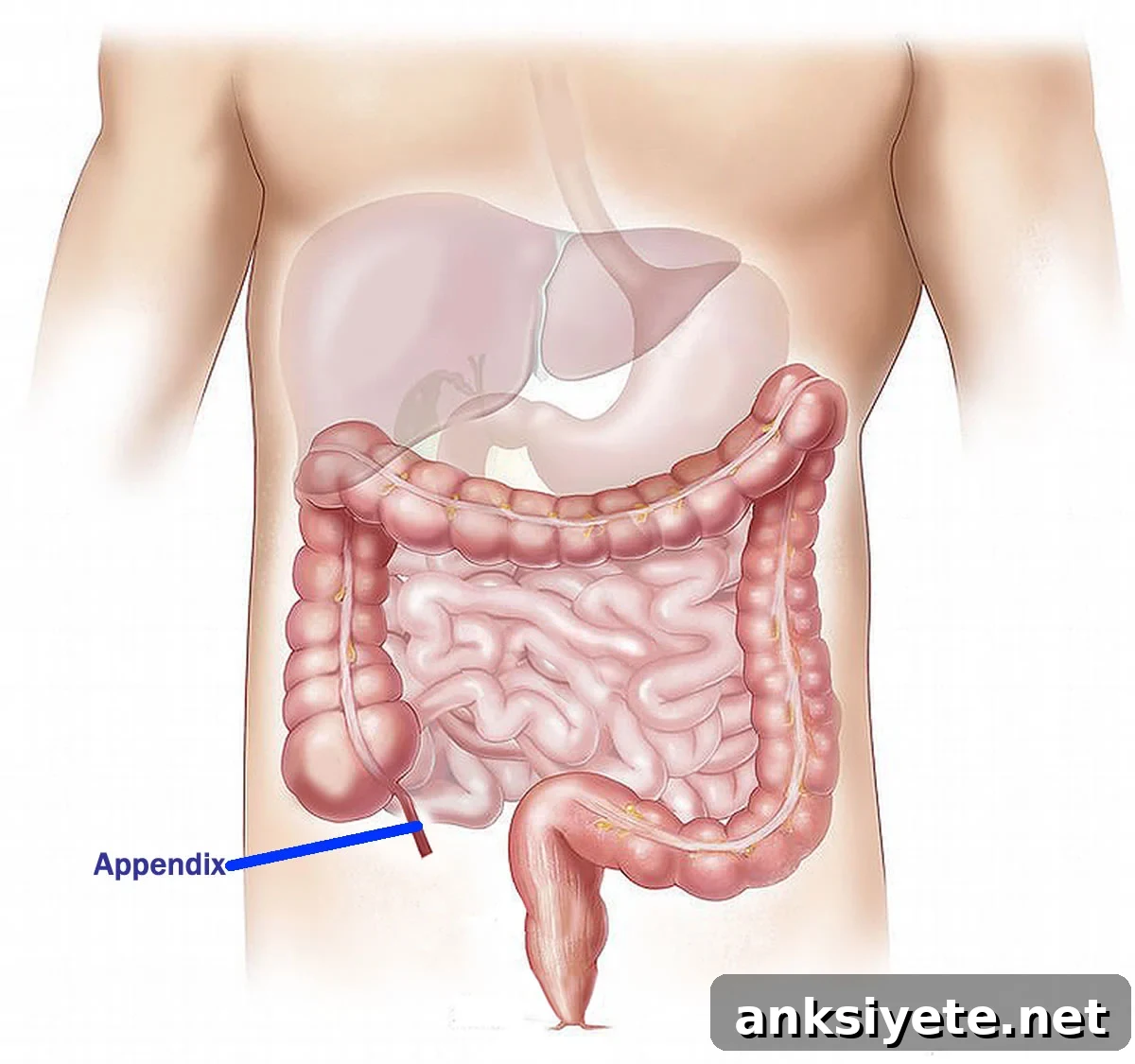
Summary: Analysis of electronic health records for more than 62 million patients found that individuals who had their appendix removed were significantly more likely to be diagnosed with Parkinson’s disease later on. In this large retrospective study, patients with a prior appendectomy were more than three times as likely to develop Parkinson’s than those whose appendix remained intact.
Source: Digestive Disease Week
A large U.S. retrospective study has identified a strong association between appendectomy and a later diagnosis of Parkinson’s disease.
Researchers used a nationwide electronic health records database compiled from 26 major integrated health systems to examine whether removal of the appendix is linked to the development of Parkinson’s disease. The study reviewed records for more than 62.2 million patients and isolated cases where an appendectomy occurred at least six months prior to a Parkinson’s diagnosis.
Lead author Mohammed Z. Sheriff, MD, of Case Western Reserve University and University Hospitals Cleveland Medical Center, noted that recent attention on Parkinson’s disease has focused on alpha-synuclein, a protein that appears in the gastrointestinal tract early in the course of the disease. That biological connection has prompted scientists to investigate whether organs in the gut, including the appendix, might play a role in Parkinson’s development.
Within the dataset, 488,190 patients had documented appendectomies. Of those, 4,470 patients, or approximately 0.92 percent, received a subsequent diagnosis of Parkinson’s disease. Among the remaining 61.7 million patients who did not have an appendectomy, 177,230 patients, or roughly 0.29 percent, were diagnosed with Parkinson’s. Based on these proportions, the analysis indicates that having an appendectomy was associated with a more than threefold increased likelihood of a later Parkinson’s diagnosis compared with not having the procedure.
The elevated risk appeared consistent across age groups and did not differ substantially by gender or race in the de-identified records. The study included a six-month washout period to reduce the chance that an undiagnosed, prodromal Parkinson’s case was mistaken for a post-appendectomy event. However, because the records were de-identified, researchers could not determine the precise interval between appendectomy and Parkinson’s diagnosis for each individual beyond that minimum period.
Researchers emphasize that this study shows an association rather than proof of causation. The retrospective design and the nature of electronic health record data mean that confounding factors—such as underlying medical conditions, reasons for appendectomy, medication use, or other environmental and genetic risk factors—could influence the observed relationship. Dr. Sheriff called for further research to confirm the finding and to investigate biological mechanisms that might underlie any causal link.
Understanding how alpha-synuclein and other molecular processes in the gastrointestinal tract relate to neurodegeneration remains an active area of study. If future research confirms a causal connection between the appendix and Parkinson’s pathology, it could open new avenues for early detection, risk assessment, and prevention strategies focused on the gut-brain axis. For now, clinicians and patients should interpret these results cautiously: the data suggest a noteworthy pattern but do not warrant changes to clinical practice by themselves.
Source:
Digestive Disease Week
Media Contacts:
Aimee Frank – Digestive Disease Week
Image Source:
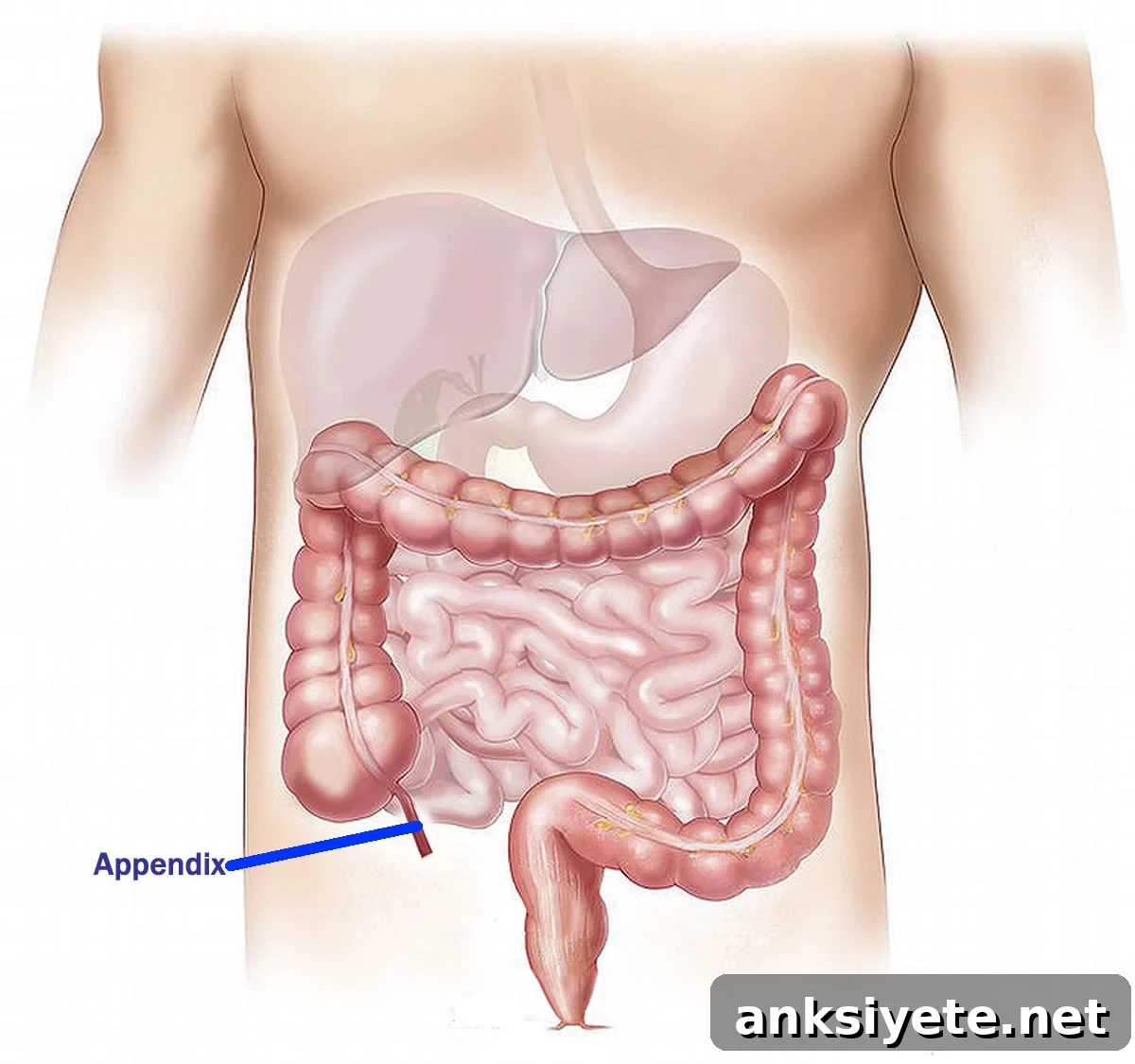
The image is in the public domain.
Original Research: Mohammed Z. Sheriff, MD, presented data from the study titled, “Parkinson’s disease is more prevalent in patients with appendectomies: a national population-based study,” abstract 739, at Digestive Disease Week.