
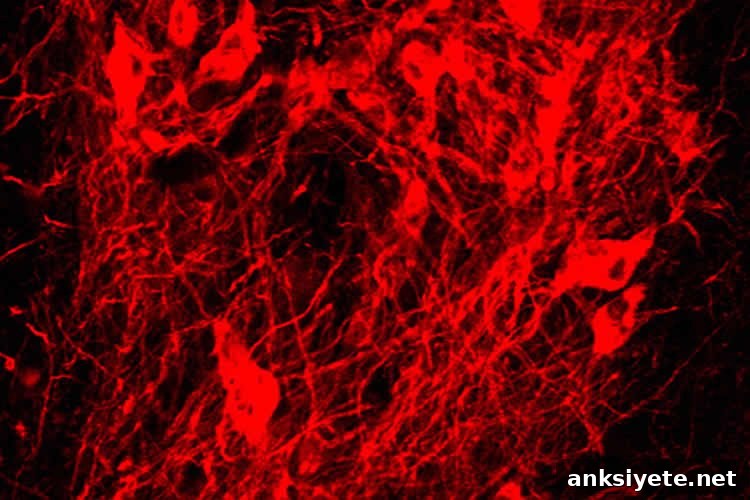
Implanted stem cells reduced symptoms of disease during experiment, researchers say.
Researchers affiliated with the Harvard Stem Cell Institute and McLean Hospital report a significant advance toward treating Parkinson’s disease by implanting neurons generated from stem cells. The team, led by Ole Isacson at McLean, published results showing that dopamine-producing neurons derived from primate skin cells survived long term after transplantation and produced measurable improvement in disease symptoms.
In work led by Penelope J. Hallett, an assistant professor of psychiatry at Harvard Medical School who collaborates with Isacson at McLean, the group found that induced pluripotent stem (iPS) cell–derived dopamine neurons persisted for more than two years in a non-human primate and substantially reduced Parkinsonian symptoms without the need for immunosuppressive drugs. The results appear in the journal Cell Stem Cell.
These experiments represent a shift from earlier trials that used embryonic stem cell–derived neurons. Those earlier approaches required immunosuppression to prevent rejection and did not produce comparably robust outcomes in primates. By contrast, the current work used autologous iPS cells—cells reprogrammed from the animal’s own skin—so the implanted dopamine neurons were not recognized as foreign by the immune system and therefore did not provoke rejection.
“It’s very difficult to get cell survival in primates,” said Ole Isacson, who has refined these transplantation methods for more than 15 years. He noted that the primate that showed the most favorable outcome recovered activity levels comparable to its pre-disease baseline. The animal was able to move around its home cage with speed and agility similar to a healthy peer, although some individual movements remained slowed by Parkinson’s disease.
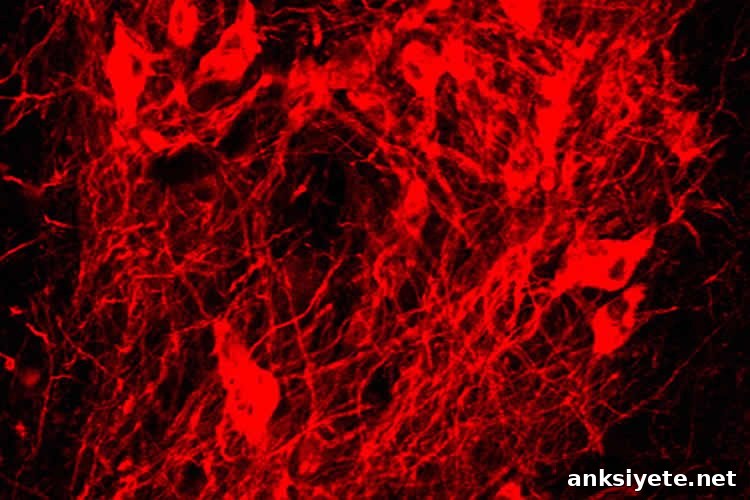
Parkinson’s disease is caused primarily by the progressive loss of dopamine-producing neurons in regions of the brain that control movement. Symptoms range from mild tremor and slowed movements to severe motor impairment and, in advanced stages, cognitive decline. Current clinical options address symptoms but do not reverse the underlying neuron loss; treatments include medications that boost dopamine signaling, deep brain stimulation devices, and in some limited cases, transplants of fetal neurons.
The study’s modest but meaningful success in a primate model supports the potential of autologous iPS-derived dopamine neuron transplantation as a disease-modifying strategy. Because the cells are derived from the patient, this approach reduces immune rejection risk and could remove the need for chronic immunosuppression—an important advantage for long-term outcomes and patient safety.
Isacson emphasized that considerable work remains before human clinical trials can begin. Key technical hurdles include producing clinical-grade cells free of contaminants, developing culture matrices that avoid animal-derived proteins, and establishing robust cryopreservation methods for storage and transport. The team also needs to refine cell-sorting techniques to ensure purity and safety of the grafted neurons and to define surgical and monitoring protocols suitable for human patients.
Isacson and colleagues, including Kevin Eggan and other clinicians working on neurological disease therapies, are planning these next steps with regulatory and safety standards in mind. “Conservatively, I’d say we’re three years” away from requesting permission from the U.S. Food and Drug Administration to launch a Phase 1 clinical trial, Isacson said, pending successful completion of the necessary preclinical manufacturing and safety studies.
The group expects the coming year to focus intensively on cell manufacturing and quality control: eliminating potential contaminants, transitioning to matrices that avoid animal proteins, implementing validated cell-freezing protocols for transport and storage, and completing the cell-sorting processes required for clinical-grade grafts. These steps are crucial to ensure reproducibility, regulatory compliance, and patient safety prior to initiating human studies.
Contact: B. D. Colen – Harvard
Source: Harvard press release
Image Source: The image is credited to Penelope J. Hallett and was included in the Harvard press release.
Original Research: Abstract for “Successful Function of Autologous iPSC-Derived Dopamine Neurons following Transplantation in a Non-Human Primate Model of Parkinson’s Disease” by Penelope J. Hallett et al., published in Cell Stem Cell. Published online February 26, 2015. doi:10.1016/j.stem.2015.01.018