
Accumulation of the protein amyloid beta in the brain disrupts memory and cognitive function in people with Alzheimer’s disease. New research from Lund University in Sweden suggests that the mechanisms behind amyloid beta pathology may be more varied than previously understood. These findings could have important implications for the development of new treatments.
The buildup of amyloid beta in the brain is a hallmark of Alzheimer’s disease. When amyloid beta accumulates in sufficient quantities it forms plaques that interfere with neuronal function, contributing to memory loss and declining cognitive ability.
Until now, explanations for amyloid beta accumulation in most Alzheimer’s cases have focused on a failure of the body to clear and break down the peptide. A small proportion of patients, however, carry hereditary risk genes that lead to overproduction of amyloid beta. The new Lund University study offers a more nuanced picture: it suggests that overproduction of amyloid beta may also play a role in many patients who do not carry known hereditary risk genes.
“Our study shows that amyloid accumulation in the brain is linked to elevated levels of specific amyloid peptides in cerebrospinal fluid,” explains Niklas Mattsson, researcher at Lund University and specialist physician at Skåne University Hospital. “This indicates that increased production of amyloid beta could contribute to Alzheimer’s disease in some individuals even when they lack the hereditary risk gene. Recognising that the disease may arise from both increased production and impaired clearance of amyloid beta could be important for designing future drugs and personalised treatments.”
The research measured amyloid-related markers in more than 330 participants from Sweden. The cohort included healthy controls and people with mild cognitive impairment, a condition that can be an early sign of Alzheimer’s disease. The study found elevated levels of amyloid beta fragments in cerebrospinal fluid among many participants who did not carry the hereditary APOE ε4 risk allele.
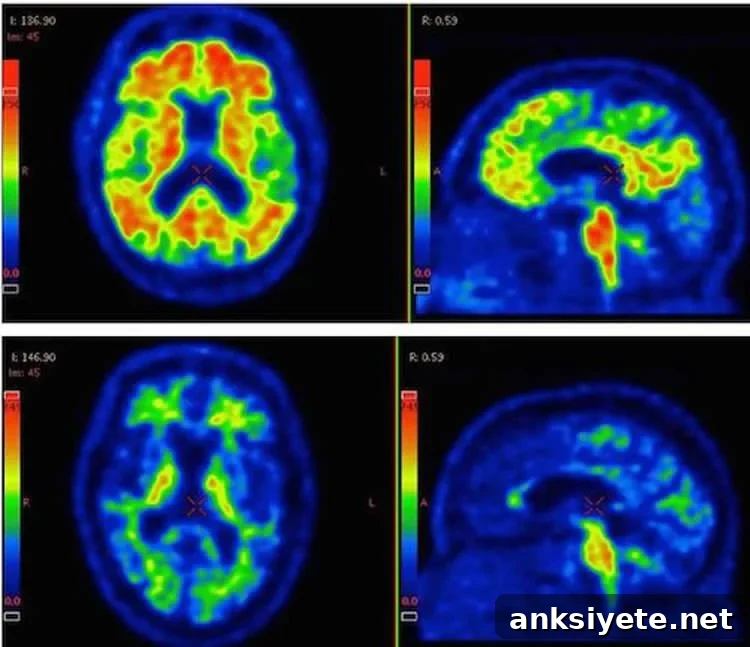
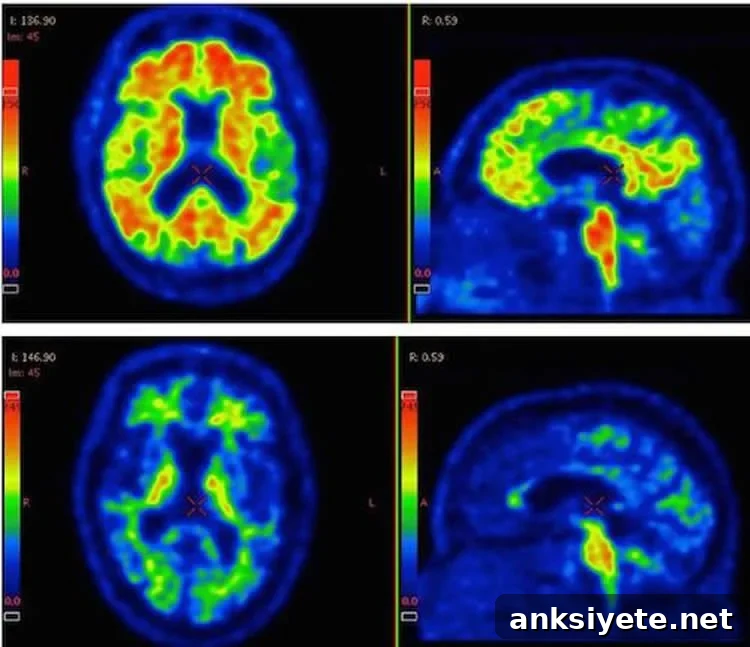
Researchers used three complementary methods to strengthen the reliability of their findings: analysis of cerebrospinal fluid (CSF) to measure amyloid peptides, positron emission tomography (PET) brain imaging to quantify amyloid fibrils, and genetic analysis to determine APOE ε4 status. The combination of these measurement techniques allowed the team to detect associations between brain amyloid accumulation and CSF markers indicative of increased amyloid precursor protein (APP) processing.
“We were surprised by the results,” says Niklas Mattsson. “The study underscores that Alzheimer’s disease is likely more heterogeneous than we previously believed.” Oskar Hansson, reader at Lund University and consultant at Skåne University Hospital, adds: “These findings improve our understanding of how Alzheimer’s disease may develop. We hope this and similar research can open new avenues for personalised interventions that slow disease progression.”
The authors note that further research is necessary to confirm and extend these findings. Strengths of the study include its sample size and the use of three independent measurement methods—CSF sampling, PET imaging, and genetic testing—which together provide robust evidence of associations between amyloid production markers and brain amyloid burden. A limitation acknowledged by the investigators is the absence of direct brain tissue observations, which are often used in Alzheimer’s research but were not available in this study.
Funding: The study was funded by Lund University, the European Research Council, the Swedish Research Council, the Marianne and Marcus Wallenberg Foundation, and Region Skåne through ALF grants.
Source: Cecilia Schubert, Lund University.
Image credit: Swedish Biofinder Study.
Original research: The study is titled “Increased amyloidogenic APP processing in APOE ε4-negative individuals with cerebral β-amyloidosis” by Niklas Mattsson and colleagues, published in Nature Communications. The research was made available online in March 2016.
Abstract
Increased amyloidogenic APP processing in APOE ε4-negative individuals with cerebral β-amyloidosis
In autosomal dominant Alzheimer’s disease, increased processing of amyloid precursor protein (APP) drives accumulation of β-amyloid (Aβ). It has been unclear whether similar increased APP processing contributes to sporadic Aβ accumulation. In the BioFINDER study, healthy controls and participants with mild cognitive symptoms (N = 331) were assessed using cerebrospinal fluid (CSF) Aβ40 as a proxy for amyloidogenic APP processing. The study found that brain Aβ fibril levels, measured by 18F-flutemetamol PET, were independently associated with high CSF Aβ40 and with APOE ε4 status. The association between CSF Aβ40 and brain Aβ was stronger in APOE ε4-negative individuals than in APOE ε4-positive individuals. Similar results were observed for CSF Aβ38 and for a combined measure of CSF Aβ38 and CSF Aβ40. These findings indicate that sporadic Aβ accumulation may partly reflect increased amyloidogenic APP production, especially among APOE ε4-negative subjects, suggesting that risk for sporadic Alzheimer’s disease may depend on both increased Aβ production and reduced Aβ clearance.