
Circadian Clock Genes Protect the Brain from Oxidative Stress and Neurodegeneration
New findings suggest potential ways to delay or prevent some age-related neurodegenerative conditions.
As organisms age, their internal biological clocks gradually lose precision and eventually fail. In mice, disrupting a core clock gene called Bmal1 has long been known to accelerate aging, producing symptoms such as arthritis, hair loss, cataracts, and shortened lifespan. New research now shows that when the molecular clock is broken, nerve cells in the brain begin to deteriorate well before outward signs of aging appear, pointing to possible strategies for slowing neurodegeneration—key features of Parkinson’s and Alzheimer’s diseases.
The multi-institutional team, led by researchers who worked at the University of Pennsylvania and Washington University in St. Louis, investigated how clock genes influence brain aging. Erik Musiek, M.D., Ph.D., initiated the project while a postdoctoral fellow and completed the work in collaboration with colleagues at Washington University. Their experiments demonstrate that expression of certain clock genes—including Bmal1—helps delay age-related decline in the brain by protecting neurons against oxidative stress.
Oxidative stress is a chemical process similar to “rusting” in which harmful forms of oxygen accumulate and damage cells. Under normal conditions, antioxidant enzymes keep oxidants in check. The researchers found that several antioxidant enzymes are themselves regulated by clock proteins. When the molecular clock is disrupted, those protective enzymes are reduced, leading to elevated oxidative damage and inflammation in brain tissue.
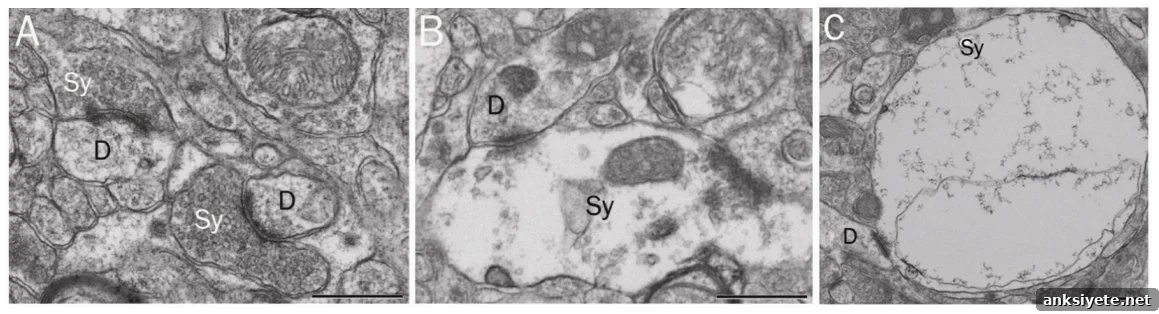
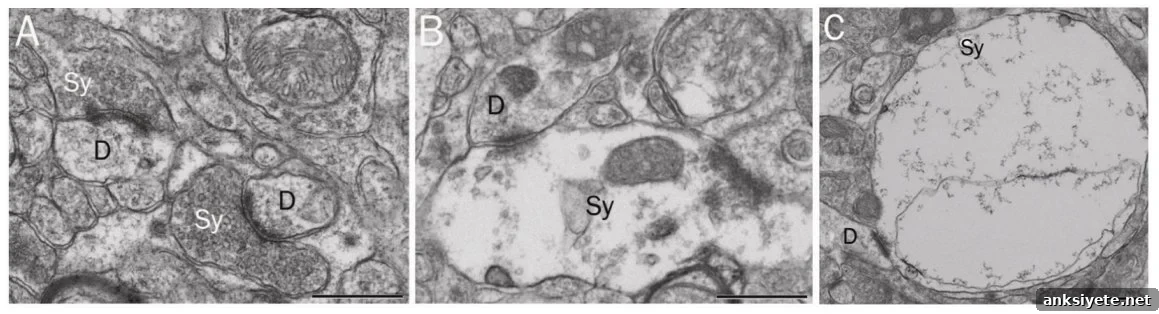
Surprisingly, the team observed strong signs of inflammation and activated astrocytes—support cells that respond to injury—in young mice lacking Bmal1. These early molecular and cellular changes preceded the more obvious signs of brain aging that emerged later, such as loss of connectivity between brain regions and structural degeneration of nerve cells. Those features mirror pathological changes seen in human neurodegenerative diseases.
Further genetic experiments revealed the effect depended on the BMAL1 protein’s partnership with other clock factors. Eliminating Clock and Npas2—genes that normally work with Bmal1—produced similar brain pathology, whereas deleting other clock components did not. This points to a specific BMAL1–CLOCK/NPAS2 complex as crucial for neuronal protection.
To pinpoint where the protective action occurs, the researchers selectively removed Bmal1 from neurons and astrocytes rather than from the whole animal. That targeted deletion reproduced the inflammation, oxidative damage, and neurodegenerative features seen when Bmal1 was deleted globally, indicating that clock genes acting within these brain cell types are necessary to maintain neuronal redox balance and structural integrity.
These results suggest a direct mechanistic link between impaired clock-gene function and neurodegeneration: the BMAL1 protein complex supports antioxidant defenses and suppresses inflammatory activation in the brain. When this system fails, oxidative injury and inflammatory responses rise, setting the stage for progressive neuronal damage.
The findings also have therapeutic implications. Experimental drugs are emerging that can strengthen or mimic molecular clock function. Boosting clock-driven protective pathways could become a novel strategy to delay or reduce age-related brain degeneration—and might even benefit other age-sensitive systems, such as cardiometabolic health.
Research support and acknowledgments
This study was supported by the National Institute of Neurological Disorders and Stroke and the National Heart, Lung, and Blood Institute (grant numbers include K08NS079405, R25NS065745, HL097800, P01NS074969, P30NS057105, NS056125). The work appeared in the Journal of Clinical Investigation and was led by Erik S. Musiek and colleagues, including investigators from both the University of Pennsylvania and Washington University in St. Louis.
Press contact: Karen Kreeger, Penn Medicine
Original research: Abstract for “Circadian clock proteins regulate neuronal redox homeostasis and neurodegeneration” by Erik S. Musiek et al., Journal of Clinical Investigation. Published online November 15, 2013.
#neurology #circadianrhythm #neurodegeneration #Bmal1 #oxidativestress #circadianclock